
Choosing the right amount of life insurance is a big decision for seniors. Many wonder, “How much coverage do I really need? ” The answer isn’t simple. It depends on your finances, health, and your family’s needs. With so many choices and factors, it’s easy to feel confused or overwhelmed.
But the right policy can give peace of mind, knowing loved ones won’t face financial stress after you’re gone. This guide explains how to decide the right life insurance amount for seniors, the key factors to consider, and mistakes to avoid.

Why Seniors Need Life Insurance
People often think life insurance is only for young parents. But seniors have important reasons to get coverage, too. Here are some of the main needs for seniors:
- Final expenses: Funerals in the US can cost $7,000–$12,000 or more. Life insurance helps cover these costs.
- Medical bills: Serious illness often brings high out-of-pocket costs.
- Debt repayment: Some seniors still have mortgages, car loans, or credit card debt.
- Leaving a legacy: Many want to leave money to children, grandchildren, or charities.
- Replacing lost income: If a spouse or dependent relies on your pension or Social Security, insurance can fill the gap.
A recent LIMRA study found that 42% of Americans would face financial hardship within six months if they lost a primary wage earner. Even for retired seniors, life insurance can be a smart way to protect loved ones.
Key Factors That Affect How Much Coverage You Need
The right amount of coverage is different for everyone. Here are the main things to consider:
1. Funeral And Final Expenses
Think about how much your family will need to pay for your funeral, burial or cremation, and any last bills. The average funeral in the US is about $8,000–$10,000. Don’t forget medical bills not covered by Medicare, which can be thousands of dollars.
2. Outstanding Debts
List any debts that would become your family’s responsibility. This might include:
- Mortgage balance
- Car loans
- Credit card balances
- Personal loans
If you want these covered, add the total to your insurance needs.
3. Income Replacement
If someone depends on your retirement income (like a spouse), think about how many years they’d need support. For example, if your spouse needs $20,000 per year for 5 years, that’s $100,000 in coverage.
4. Legacy Or Gifts
Some seniors want to leave money to loved ones or a favorite charity. Decide if this is important to you, and how much you want to give.
5. Existing Assets
Look at your savings, investments, and any other life insurance you already have. Subtract these from the total amount your family would need.
6. Health And Age
Older age and health problems usually mean higher premiums. Some types of policies limit coverage amounts based on age or health.
7. Policy Type
Term life, whole life, and guaranteed issue policies each have different maximum coverage levels and costs (more on this soon).
How To Calculate Your Life Insurance Need As A Senior
You don’t need a complex formula. A simple way is to add up all the costs you want to cover, then subtract assets your family can use. Here’s a basic example:
| Need/Asset | Amount |
|---|---|
| Funeral costs | $10,000 |
| Medical bills | $5,000 |
| Outstanding mortgage | $40,000 |
| Legacy for grandchildren | $10,000 |
| Assets (savings, etc.) | -$20,000 |
| Total needed | $45,000 |
So, in this example, $45,000 in life insurance would cover everything.
Some experts suggest buying enough insurance to cover at least funeral expenses and debts. Others recommend adding a cushion for unexpected costs.
Common Types Of Life Insurance For Seniors
Not all life insurance is the same. Here are the main types for people over 60:
Term Life Insurance
- Coverage period: 5–30 years
- Best for: Seniors in good health who need a larger policy for a set time (like until a mortgage is paid)
- Pros: Lower premiums, higher coverage amounts possible
- Cons: Coverage ends after the term, may be hard to qualify after age 70–75
Whole Life Or Permanent Insurance
- Coverage period: Lifetime
- Best for: Those who want coverage to last as long as they live
- Pros: Never expires, builds cash value
- Cons: Higher premiums, lower maximum coverage for seniors
Final Expense Or Burial Insurance
- Coverage period: Lifetime
- Best for: Covering funeral and small debts
- Pros: Easy to qualify, quick approval, fixed premiums
- Cons: Small coverage amounts (usually $2,000–$50,000), higher cost per $1,000 of coverage
Guaranteed Issue Life Insurance
- Coverage period: Lifetime
- Best for: Seniors with serious health issues who can’t get other policies
- Pros: No medical exam, approval guaranteed
- Cons: Low maximums (often $25,000), higher premiums, graded death benefit (full payout only after 2–3 years)
Here’s a quick comparison:
| Policy Type | Max Coverage | Medical Exam? | Best For |
|---|---|---|---|
| Term Life | $100,000–$500,000+ | Often | Healthy seniors |
| Whole Life | $50,000–$250,000 | Sometimes | Long-term needs |
| Final Expense | $2,000–$50,000 | No | Funeral costs |
| Guaranteed Issue | $2,000–$25,000 | No | Serious health issues |

Typical Coverage Amounts For Seniors
How much do most seniors buy? Here are some typical ranges:
- Ages 60–69: $50,000–$250,000 (term or whole life), $10,000–$25,000 (final expense)
- Ages 70–79: $10,000–$100,000 (term may not be available), $5,000–$25,000 (final expense)
- Ages 80+: $2,000–$25,000 (final expense or guaranteed issue only)
Most older adults choose smaller policies since their children are grown and debts are smaller. But if you want to leave a legacy, you might want more.
Important Questions To Ask Yourself
To find the right number, ask:
- How much will your family need for final expenses?
- Do you still have large debts?
- Does anyone rely on your income?
- Do you want to leave a gift?
- How much can you afford in premiums each month?
Your answers will guide your choice.

Example Scenarios
Let’s look at two common cases:
1. The “final Expense Only” Senior
Mary is 72, lives alone, and has no debts. She wants her children to have no funeral costs. She chooses a final expense policy for $15,000.
2. The “income Provider” Senior
James is 67, supports his wife, and still has a $60,000 mortgage. He chooses a term life policy for $100,000 to cover the mortgage and some living expenses for his wife.
How Premiums Change With Age And Health
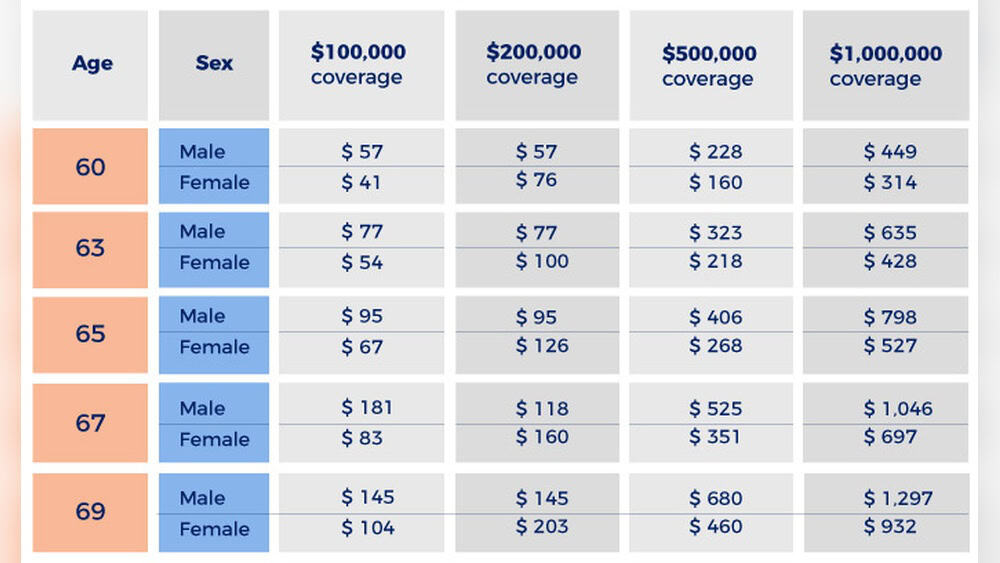
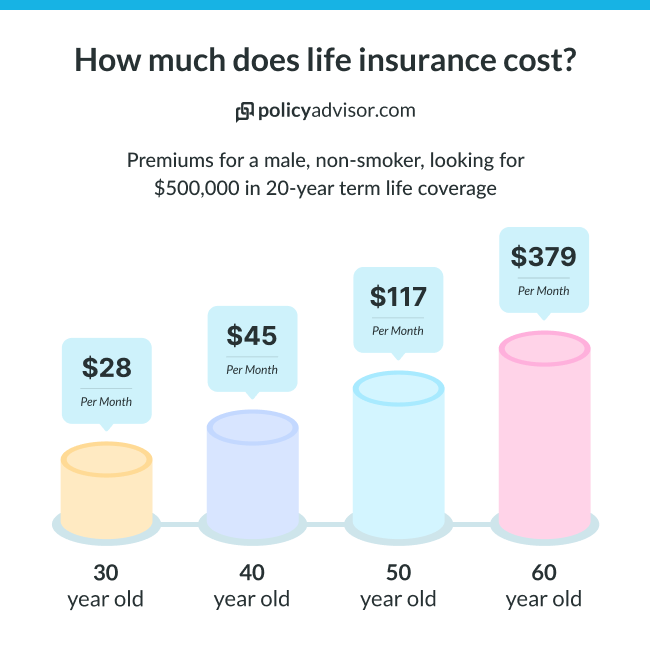
The older you are, the more you pay for the same amount of coverage. Health problems can also mean higher costs or lower maximums. Here’s a sample:
| Age | Policy Type | Coverage | Monthly Premium (Good Health) |
|---|---|---|---|
| 65 | Term (10-year) | $100,000 | $75–$120 |
| 70 | Whole Life | $25,000 | $110–$180 |
| 75 | Final Expense | $15,000 | $70–$140 |
Premiums can be much higher with health issues. Some companies offer better rates for non-smokers or those with mild conditions.
Common Mistakes Seniors Make When Choosing Coverage
It’s easy to make errors when buying life insurance as a senior. Watch out for these:
- Buying too much coverage: Higher premiums can strain your budget. Only buy what your family truly needs.
- Waiting too long: Premiums rise fast with age. Lock in coverage earlier if possible.
- Ignoring health questions: Be honest. Lying can void your policy.
- Not reviewing old policies: You may already have enough coverage through work or a previous plan.
- Forgetting inflation: Costs, especially funerals, rise over time. Add a little extra to your estimate.
A non-obvious tip: Some seniors don’t realize that Social Security’s one-time death benefit is only $255, not nearly enough for funeral expenses.
Another insight: If you have enough savings, you may not need insurance at all. Sometimes, self-insuring (using your own assets) is the best choice.
How To Lower Your Life Insurance Costs
- Compare multiple companies: Rates vary a lot.
- Choose the right policy type: Don’t pay for features you don’t need.
- Consider smaller coverage: Just enough for final expenses can be affordable.
- Ask about discounts: Some insurers offer lower rates for non-smokers or those with safe hobbies.
- Pay annually: Some companies give a small discount for annual payments.
If you’re unsure, speaking with an independent agent can help you find the best value.
When Not To Buy Life Insurance
You might not need a policy if:
- You have no dependents and debts are paid.
- You have enough savings to cover funeral costs and any final bills.
- Your family is financially secure without your help.
In these cases, spending money on premiums may not make sense.
Where To Get More Guidance
Nonprofit groups like AARP, or government resources like the National Association of Insurance Commissioners (NAIC), offer free, unbiased advice. For more details on life insurance for seniors, visit the National Association of Insurance Commissioners.
Frequently Asked Questions
How Much Life Insurance Should A 70-year-old Have?
The amount depends on debts, funeral costs, and family needs. Most 70-year-olds buy $10,000–$25,000 for final expenses, but you may want more if you have a spouse or large debts.
Can Seniors Over 80 Get Life Insurance?
Yes, but options are limited. Usually, only final expense or guaranteed issue policies are available, with coverage from $2,000 to $25,000. Premiums are higher.
Is Life Insurance Worth It For Seniors With No Dependents?
If you have enough savings for funeral and medical costs, you may not need insurance. But if you want to leave a gift or cover final bills, a small policy can help.
Will My Premiums Go Up As I Get Older?
If you buy a permanent policy, premiums stay the same for life. But if you wait to buy, the starting rate will be higher as you age.
Can I Get Life Insurance With Health Problems?
Yes, but your choices may be limited to smaller policies with higher premiums. Guaranteed issue policies don’t require a medical exam, but cost more per dollar of coverage.
Deciding how much life insurance to buy as a senior is personal. The right amount depends on your family, debts, and goals. Take your time, compare options, and choose what fits your needs and budget. The peace of mind is often worth it.