

Most people buy life insurance to protect their loved ones if they pass away. But what happens if you don’t die during the policy’s term? This is a common question, especially for people thinking about buying life insurance for the first time.
Understanding how life insurance works if you don’t die can help you choose the right policy, set realistic expectations, and avoid surprises later. Let’s break down what really happens, what you should expect, and how you can make the most of your life insurance even if you outlive the policy.

What Happens To Life Insurance If You Don’t Die?
The answer depends on the type of life insurance you have. In general, life insurance is designed to pay a death benefit to your beneficiaries if you pass away while the policy is active. But not all policies are the same. There are two main types:
- Term life insurance
- Permanent life insurance (such as whole life, universal life)
Each type handles the “what if you don’t die” question differently.
Term Life Insurance: Use It Or Lose It
Term life insurance is the most popular type for families and individuals looking for affordable coverage. You buy a policy for a set period, such as 10, 20, or 30 years. If you die during that term, your loved ones receive the death benefit.
But what if you’re still alive when the policy ends?
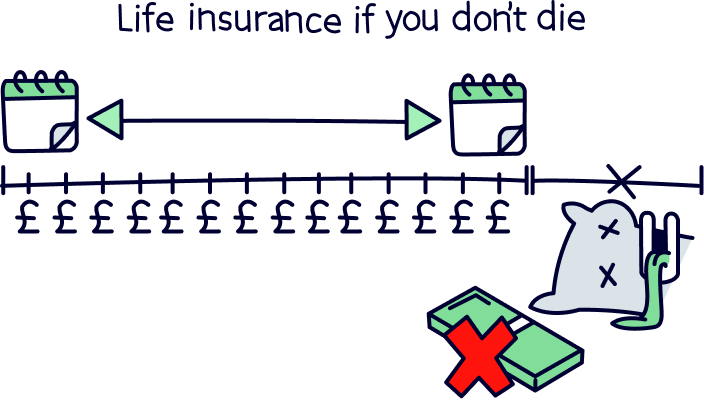
- No payout: With standard term life insurance, if you survive the term, the policy simply expires. You do not get your premiums back.
- No cash value: Unlike some permanent policies, term life does not build up any cash value you can withdraw.
- Option to renew or convert: Some policies let you renew for another term or convert to permanent insurance, but premiums will likely be much higher due to your age.
This “use it or lose it” approach is why term life is much less expensive compared to permanent life insurance.
Permanent Life Insurance: Building Value Over Time
Permanent life insurance, like whole life or universal life, lasts your entire life as long as you pay premiums. If you don’t die early, the policy stays active and will eventually pay out when you pass away—no matter when that is. But what if you live a long time?
- Death benefit remains: Your beneficiaries will still get the money, even if you live to age 100.
- Cash value: Permanent policies build a cash value over time, which you can borrow against or sometimes withdraw while you’re alive.
- Living benefits: Some policies allow for accelerated death benefits or other riders that let you access money if you get sick.
So, with permanent insurance, you are more likely to get some value even if you don’t die soon.
What Happens To Your Premiums?
Many people wonder, “If I don’t die, do I get my money back? ” The answer depends on your policy.
- Term life: You do not get your premiums back unless you have a special “return of premium” (ROP) rider, which costs extra.
- Permanent life: Part of your premium goes toward the cash value, which grows over time.
Here’s a simple comparison:
| Policy Type | Premium Refund if You Survive | Cash Value? |
|---|---|---|
| Term Life | No (unless ROP rider) | No |
| Whole Life | No | Yes |
| Universal Life | No | Yes |
| Term Life with ROP | Yes | No |
Return Of Premium (rop) Term Life Insurance
Some companies offer a type of term life called return of premium. If you survive the term, you get back all the premiums you paid, but not the interest.
- Higher cost: ROP policies can cost 50-100% more than regular term life.
- No interest earned: You get back only what you paid, not any extra growth.
- No tax on returned premiums: Usually, the refund is not taxed.
Is it a good deal? Not always. Many people would be better off buying a cheaper term policy and investing the difference. However, for those who want zero “loss” if they live, ROP can bring peace of mind.
What Can You Do With Permanent Life Insurance If You Don’t Die?
If you buy permanent life insurance, you can use your policy in several ways while you’re still alive:
Accessing Cash Value
Permanent policies build cash value over time. This is money you can:
- Borrow against, usually at low interest
- Withdraw, though this can reduce your death benefit
- Use to pay future premiums
Many people use their policy’s cash value for emergencies, education expenses, or even as retirement income.
Policy Loans
You can take out a loan from your cash value, and you’re not required to pay it back. However, if you don’t, it will reduce the death benefit your family receives.
Surrendering The Policy
If you no longer want the insurance, you can “surrender” the policy and get the cash value (minus fees). However, this cancels your coverage.
Here’s a comparison of your options:
| Option | Impact on Death Benefit | Other Effects |
|---|---|---|
| Borrow Against Cash Value | Reduces if not repaid | Loan interest applies |
| Withdraw Cash Value | Reduces benefit | Possible taxes on gain |
| Surrender Policy | Ends coverage | Surrender charges may apply |
Common Misunderstandings About Life Insurance
Many beginners believe that life insurance is a “waste” if they don’t die during the policy term. Here’s what you should know:
- Protection, not investment: The main purpose of life insurance is financial protection, not saving or investing.
- Peace of mind: The value comes from knowing your family is protected if the worst happens.
- No profit guarantee: Unless you choose a permanent policy with cash value, there is no “profit” for surviving the term.
A non-obvious insight: Even if you never claim your life insurance, the financial safety net can help you take more risks or make bigger life decisions, like starting a business or buying a home, because you know your family is protected.
Should You Worry About “wasting” Your Premiums?
It’s natural to ask, “What if I never use my insurance?” But consider this: most types of insurance are “unused” if nothing bad happens. For example, if you never have a car accident, you don’t get your car insurance money back. The real value is in protection, not return.
An important point beginners miss: Trying too hard to get your money back from life insurance can lead to overpaying for features you don’t need, like expensive ROP riders or permanent policies when term would do.
Credit: www.nutsaboutmoney.com
Making The Most Of Your Life Insurance
If you want to maximize value, consider these strategies:
- Choose the right type: Term life is best for most people who need coverage for a set period (until kids grow up, mortgage is paid off, etc.). Permanent life is better for lifelong needs (estate planning, special needs children).
- Don’t over-insure: Buy only as much as your family needs.
- Review your policy every few years: As your life changes, your insurance needs may change too.
- Use riders carefully: Riders like “return of premium” add cost. Make sure they fit your goals.
- Invest separately: If you want long-term growth, you may get better returns by investing outside your insurance policy.
Examples: What Happens In Real Life
Let’s look at two scenarios:
Sarah’s 20-year Term Life Policy
Sarah, age 30, buys a $500,000 term life policy for 20 years at $25/month. She stays healthy, and the policy ends when she’s 50.
- What happens? The policy expires, and she gets nothing back. But her kids were protected for 20 years at a low cost.
- Can she renew? Yes, but premiums will be much higher.
John’s Whole Life Policy
John, age 35, buys a $250,000 whole life policy at $180/month. He lives to age 85.
- What happens? The policy pays out to his family when he dies, even though he paid premiums for 50 years.
- Can he use it while alive? Yes, he borrows from the cash value at age 60 for a home repair.
These examples show how different policies work if you don’t die early.
:max_bytes(150000):strip_icc()/Life-Insurance-a8aee8e3024145a8b454ea19df030418.png)
Credit: www.investopedia.com
Tax Implications If You Don’t Die
Generally, life insurance death benefits are income tax-free for beneficiaries. If you outlive your policy:
- Term life: No tax implications if the policy expires.
- Return of premium: The refund is not taxable since it’s just your own money returned.
- Permanent life: Loans are not taxable if the policy stays active. Withdrawals above what you paid in (“cost basis”) can be taxed.
If you surrender a permanent policy, any amount you receive above your total premiums paid may be taxed as income.
How To Decide Which Policy Is Right For You
Choosing the right policy comes down to your goals:
- Need coverage for a set time? Term life is usually best.
- Want lifelong coverage and cash value? Consider whole or universal life.
- Worried about “losing” your premiums? Look at ROP term life, but compare costs carefully.
Here’s a quick reference:
| Your Goal | Best Policy Type | Why |
|---|---|---|
| Temporary coverage | Term Life | Low cost, covers key years |
| Lifelong coverage & savings | Whole/Universal Life | Never expires, builds cash value |
| Want premiums back if alive | ROP Term Life | Refunds all premiums paid |
Two Insights Beginners Miss
- Opportunity cost of ROP: If you invest the extra money instead of buying ROP, you might end up with more savings—even if you outlive your policy.
- Policy flexibility: Some permanent policies let you adjust coverage, premiums, or even stop paying after a certain time if your cash value is high enough.
When To Consider Cancelling Or Changing Your Policy
If your life changes (marriage, kids, new job), review your policy. You might need more or less coverage. If you no longer need life insurance, you can let term life expire or cash out permanent life (but check for fees and taxes).
:max_bytes(150000):strip_icc()/Investopedia-terms-termlife-6451fde927474d4f8a81a5681efd393f.jpg)
Credit: www.investopedia.com
Where To Find More Information
For more details on life insurance types, features, and real-world examples, visit the Insurance Information Institute.
Frequently Asked Questions
What Happens To My Life Insurance If I Outlive My Term Policy?
If you outlive a term life policy, coverage ends and you get nothing back unless you have a return of premium rider. There is no refund for standard term life.
Can I Get My Money Back If I Don’t Die?
Most life insurance policies do not refund your premiums if you survive. Only return of premium term life policies offer a full refund, but these are more expensive.
What Is The Cash Value In Permanent Life Insurance?
Cash value is a savings component in permanent life insurance. Part of your premium builds up as cash, which you can borrow or withdraw while you’re alive.
Is Return Of Premium Life Insurance Worth It?
Return of premium policies can be useful if you want a guaranteed refund, but they cost more. Often, investing the difference in cost elsewhere can give you better returns.
What If I Need To Cancel My Policy Before It Ends?
You can cancel any time. For term life, you simply stop paying. For permanent life, you may get the cash value, minus fees. Be aware of possible taxes on gains.
Life insurance can seem confusing, especially when thinking about what happens if you don’t die. By understanding your options, you can make smarter choices that fit your needs and protect your loved ones—no matter what the future holds.