
Choosing the right life insurance policy can feel overwhelming. You want to protect your loved ones, but with so many options out there, where do you start?
This guide will help you compare life insurance policies clearly and easily. By the end, you’ll feel confident in making a choice that fits your needs and budget. Keep reading to discover the key differences that matter most to you and your family’s future.

Credit: marketrealist.com
Types Of Life Insurance
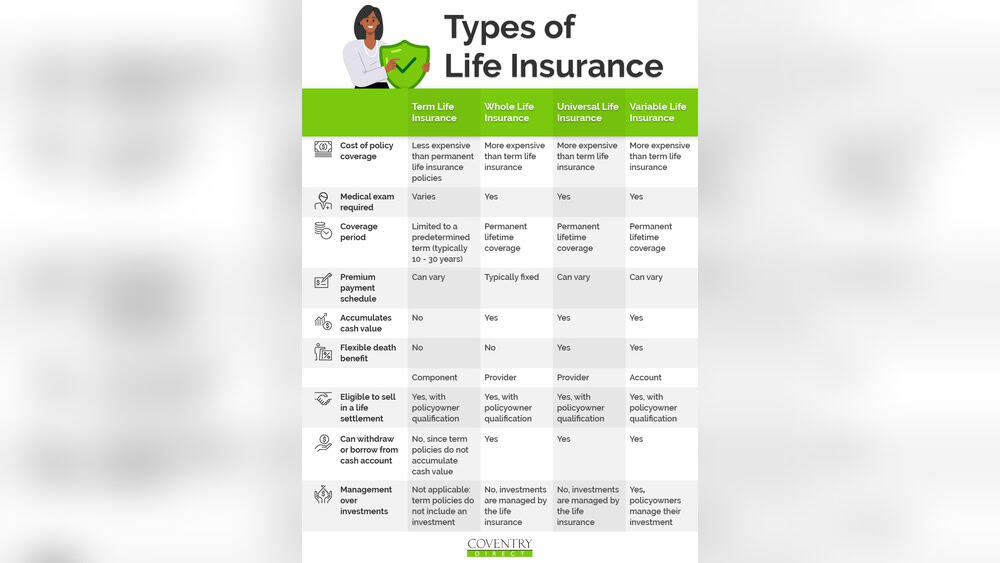
Life insurance protects your family’s financial future. Different types offer different benefits. Choosing the right one matters a lot. Here is a simple guide to the main types of life insurance.
Term Life Insurance
Term life insurance covers you for a specific time. Usually 10, 20, or 30 years. It pays a death benefit if you die during the term. It is often the cheapest option. Good for temporary needs like paying off a mortgage.
Whole Life Insurance
Whole life insurance lasts your entire life. It has a fixed premium and a guaranteed payout. It also builds cash value over time. You can borrow against this cash value if needed. This type is more expensive than term insurance.
Universal Life Insurance
Universal life insurance offers flexible premiums and coverage. You can adjust your payments and death benefit. It also builds cash value with interest. This policy suits those who want more control over their insurance.
Variable Life Insurance
Variable life insurance lets you invest the cash value. You choose where to invest, like stocks or bonds. The cash value and death benefit can change based on investment performance. It carries more risk but potential for growth.

Credit: www.westernsouthern.com
Key Features To Consider
Choosing the right life insurance policy means knowing the key features. These features help match a policy to your needs. Understanding each one keeps your decision clear and smart. Focus on what matters most for you and your family.
Coverage Amount
The coverage amount is the money paid to your beneficiaries. It should cover debts, living expenses, and future costs. Think about your family’s needs and financial goals. Choose an amount that offers real protection.
Policy Duration
Policy duration is how long the insurance lasts. Some policies last for a set number of years. Others cover you for your whole life. Pick a duration that fits your life stage and plans.
Premium Costs
Premiums are the payments you make for the policy. They can be monthly, quarterly, or yearly. Look for premiums that fit your budget without sacrificing coverage. Remember, lower premiums might mean less protection.
Cash Value Benefits
Some policies build cash value over time. This money can be borrowed or withdrawn later. Cash value adds a savings aspect to your insurance. Check if this feature suits your financial goals.
Benefits And Drawbacks
Choosing the right life insurance policy means understanding the benefits and drawbacks. Both term and permanent policies offer unique features. Each type fits different needs and budgets. Knowing these can help in making a smart decision.
Advantages Of Term Policies
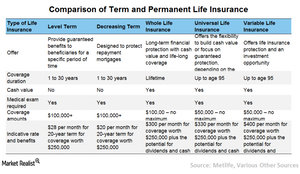
Term life insurance is usually affordable. It offers coverage for a specific period. This makes it easy to plan for short-term financial goals. The payout goes to your beneficiaries if you pass away during the term. Policies can be simple and straightforward. Premiums tend to be lower than permanent policies. Many people pick term insurance for protection during their working years.
Advantages Of Permanent Policies
Permanent life insurance lasts your entire life. It includes a savings element called cash value. This cash value grows over time and can be borrowed against. It provides lifelong protection, unlike term policies. Permanent policies can help with estate planning. They also offer stable premiums that do not increase with age. Ideal for those who want long-term financial security.
Common Limitations
Term policies end after the set period. If you outlive the term, coverage stops. Renewing or converting might cost more. Permanent policies come with higher premiums. Cash value growth might be slow at first. Some policies have fees that reduce cash value. Both types require careful review before buying. Not all policies suit every financial plan.
Suitability For Different Needs
Term insurance fits people needing coverage for a short time. Great for covering mortgages or children’s education. Permanent insurance suits those wanting lifelong coverage. Useful for leaving money to heirs or final expenses. Young families might prefer term for cost reasons. Older individuals may choose permanent for lasting protection. Understanding your personal goals helps find the best fit.
How To Compare Policies
Comparing life insurance policies helps you find the best plan for your needs. Focus on key areas to make a smart choice. Look beyond the price. Check what each policy covers and what extra benefits it offers.
Evaluating Premium Affordability
Start by checking the premium costs. Pick a plan you can pay without strain. Look at monthly or yearly payments. Lower premiums may mean less coverage. Balance cost with the value you get.
Assessing Coverage Options
Review the death benefit amount. Ensure it meets your family’s financial needs. Check if the policy covers illnesses or accidents. Some plans offer extra protection for specific cases. Choose coverage that fits your life situation.
Reviewing Riders And Add-ons
Riders add extra features to a basic policy. Common riders include critical illness or disability cover. See which add-ons are available and their costs. These can make your plan more useful and flexible.
Checking Company Reputation
Research the insurance provider’s history. Look for strong financial ratings and customer reviews. A reliable company pays claims quickly. Trust matters a lot when choosing life insurance.
Tips For Choosing The Right Policy
Choosing the right life insurance policy can feel confusing. Many options exist, each with different benefits and costs. Simple tips can guide you to a policy that fits your needs well. Focus on what matters most to you and your family.
Consider your future needs and seek expert advice. Review your policy regularly to keep it up to date. These steps help you find coverage that offers real security.
Identifying Personal Priorities
Think about what you want your life insurance to do. Protect your family’s income? Cover debts? Pay for future education? Your priorities shape the best policy choice. Clear goals make decision-making easier.
Estimating Future Financial Needs
Calculate costs your family might face after you’re gone. Include mortgage, daily expenses, and college fees. Add possible medical bills or funeral costs. Estimate enough coverage to meet these needs comfortably.
Consulting With Insurance Professionals
Talk to insurance agents or financial advisors. They explain policy options in simple terms. Professionals help compare plans and find affordable choices. Their knowledge can save time and prevent mistakes.
Regular Policy Reviews
Life changes, and so do your insurance needs. Check your policy yearly or after big events like marriage or a new child. Update coverage to match your current situation. This keeps your protection strong and relevant.
Common Mistakes To Avoid
Choosing the right life insurance policy can be tricky. Many people make simple mistakes that cost them money or leave them underprotected. Knowing these common errors helps you avoid trouble. Read on to learn what to watch for when comparing policies.
Underestimating Coverage Needs
Many buyers pick policies with too little coverage. They think a small amount will be enough. This can leave loved ones struggling after a loss. Calculate your true financial needs carefully. Include debts, living expenses, and future costs like education.
Ignoring Policy Terms
People often skip reading the fine print. Policy terms can vary widely. Check details like payout conditions, exclusions, and renewal rules. Understanding these helps you avoid surprises later. A clear grasp of terms ensures the policy fits your needs.
Overpaying For Unnecessary Features
Extra features can sound appealing but may not suit everyone. Riders and add-ons increase premiums. Only choose those that add real value for your situation. Avoid paying for coverage you do not need or use.
Delaying Purchase Decisions
Waiting too long can raise costs or reduce options. Insurance premiums usually increase with age. Health issues might limit eligibility. Buying early locks in better rates and coverage options. Don’t wait until it’s too late.

Credit: bankwithchoice.com
Frequently Asked Questions
What Are The Main Types Of Life Insurance Policies?
The main types include term life, whole life, and universal life insurance. Term life offers coverage for a set period, while whole and universal life provide lifelong protection and cash value accumulation.
How Do I Compare Life Insurance Policy Costs?
Compare premiums, coverage amounts, and policy terms. Look for hidden fees and understand what each policy covers to find the best value for your needs.
What Factors Affect Life Insurance Policy Premiums?
Age, health, lifestyle, occupation, and coverage amount influence premiums. Younger, healthier individuals typically pay lower premiums than older or high-risk applicants.
Can I Switch Life Insurance Policies Easily?
Yes, but consider surrender charges and new policy costs. Review benefits and consult an expert before switching to avoid losing coverage or money.
Conclusion
Choosing the right life insurance policy takes time and thought. Compare costs, benefits, and terms carefully. Think about what suits your family’s needs best. Policies vary a lot in price and coverage. Don’t rush; review each option step by step.
Clear understanding leads to better decisions. Protecting your loved ones is the main goal. Keep your future secure with smart choices. Simple steps now can save trouble later. Make your choice with confidence and care.