
Life insurance is a topic many people associate with protecting their families from financial hardship. But what happens when the roles are reversed, and you want to secure coverage for your parents? This question is more common than you might think. With rising medical costs and unexpected expenses, more adults are considering life insurance as a way to ensure their aging parents’ affairs are managed, and their own finances are protected. Understanding if, how, and when you can take life insurance on your parents is important—especially before making any decisions that affect your family’s future.
Can You Take Life Insurance On Your Parents?
The short answer is yes, you can take life insurance on your parents. But it’s not as simple as just buying a policy. Insurance companies require certain steps and proof before approving a policy where you are the owner and your parent is the insured. You must demonstrate an insurable interest and get your parents’ consent. Let’s break down what this means and how it works in practice.

Understanding Insurable Interest
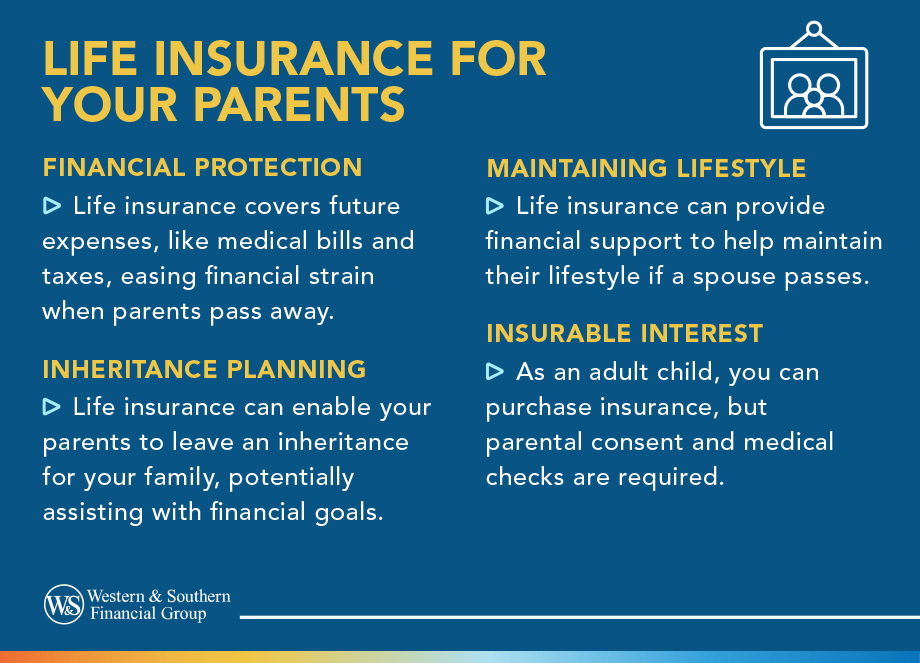
Insurable interest is a legal requirement for any life insurance policy. It means you must show that you would suffer a financial loss if your parent passed away. Insurance companies use this rule to prevent people from profiting off someone’s death with no real connection.
Some common reasons you might have insurable interest in your parents include:
- You rely on them for financial support.
- You would pay for their funeral or debts.
- You help with their medical or living expenses.
Without insurable interest, insurance companies will not allow you to take out a policy. In most cases, children have a clear insurable interest in their parents.

Consent And Participation
You cannot take life insurance on someone without their knowledge. Consent is always required. Your parent must sign the application and agree to medical exams if needed. This step ensures transparency and avoids legal issues. Even if you’re paying the premiums, the insurance company needs your parent’s cooperation.
Types Of Life Insurance Policies For Parents
There are several types of policies available, each with its own features and benefits. Choosing the right one depends on your parents’ age, health, and your goals.
| Policy Type | Description | Typical Age Range | Medical Exam Required? |
|---|---|---|---|
| Term Life | Covers a set number of years (10–30). Cheapest option. | 50–70 | Usually |
| Whole Life | Permanent coverage. Builds cash value. | 50–80 | Usually |
| Final Expense | Small policy for funeral costs. Often no exam. | 60–85+ | No |
| Guaranteed Issue | For seniors with serious health issues. No questions asked. | 65–90 | No |
Term Life Insurance
Term life is best if you want coverage for a specific period, such as until your parent’s mortgage is paid off or until you retire. It’s affordable but does not build cash value.
Whole Life Insurance
Whole life covers your parent for their entire life and includes a savings component. Premiums are higher, but the policy can be useful for estate planning or leaving a legacy.
Final Expense Insurance
This policy is designed to cover funeral costs and small debts. It’s easy to qualify for, especially for older parents or those with health issues.
Guaranteed Issue Life Insurance
Guaranteed issue is for seniors who can’t pass a medical exam. The coverage is limited, but it ensures that your parent can get a policy regardless of health.
The Application Process
Applying for life insurance for your parents involves several steps. Here’s a typical path:
- Discuss the plan with your parent. Make sure they understand the benefits and requirements.
- Choose the right policy based on their needs and health.
- Complete the application. You’ll need personal, medical, and financial details.
- Schedule a medical exam if required. Some policies allow you to skip this step.
- Wait for approval. Insurers may ask for extra documents or check medical records.
- Pay the premiums. You can own the policy and pay for it, but your parent is the insured.
Some companies may allow for accelerated underwriting, meaning fewer medical questions or a faster process if your parent is healthy.
Costs And Premiums
Premiums depend on several factors:
- Your parent’s age
- Health condition
- Type of policy
- Coverage amount
For example, a healthy 65-year-old may pay $60–$80/month for a $10,000 final expense policy. A term life policy for a 60-year-old could cost $100–$200/month for $100,000 coverage. Guaranteed issue policies are more expensive per dollar of coverage because they don’t require health checks.
| Age | Health | Policy Type | Monthly Premium (Typical) |
|---|---|---|---|
| 60 | Good | Term Life ($100k) | $110 |
| 70 | Average | Whole Life ($50k) | $180 |
| 80 | Poor | Final Expense ($10k) | $85 |
| 75 | Poor | Guaranteed Issue ($10k) | $120 |

Why Take Life Insurance On Your Parents?
There are several reasons you might want to take life insurance on your parents. The most common are:
- Cover funeral expenses: Funerals in the US can cost $7,000–$12,000, often more than families expect.
- Pay off debts: If your parent has a mortgage, medical bills, or credit card debt, you might become responsible for some of these costs.
- Protect your finances: If you support your parent or expect to help pay for their care, insurance can offset these costs.
- Plan for inheritance: Life insurance can be used to leave money to heirs, settle estate taxes, or equalize inheritances between siblings.
- Prevent family disputes: Having funds available can help avoid arguments over who pays for final expenses.
Many families don’t realize how expensive end-of-life costs are until they experience them. Life insurance can prevent financial stress and preserve family harmony.
Common Mistakes To Avoid
Taking life insurance on your parents can be straightforward, but there are mistakes that can lead to problems.
- Not involving your parent: Consent and participation are always required.
- Underestimating costs: Funeral and medical bills add up quickly.
- Choosing the wrong policy type: Final expense policies are not suitable for large debts. Whole life may be too expensive for some.
- Ignoring health conditions: If your parent has serious health issues, not all policies will be available.
- Missing the waiting period: Some guaranteed issue policies have a waiting period (usually 2 years) before full benefits are paid out.
A non-obvious insight: Many people assume life insurance will pay out immediately. In reality, some policies (especially guaranteed issue) require a waiting period—if your parent passes away during this time, only premiums paid are returned.
Legal And Ethical Considerations
Taking life insurance on your parents is legal, but there are ethical questions to think about. Always have an open conversation. Make sure your parent knows why you want the policy and how it benefits the family. Avoid surprises or misunderstandings.
Insurance fraud is a serious crime. Never try to take a policy without consent or provide false information on the application. All details must be accurate and honest.
Alternatives To Life Insurance
If your parent does not qualify for life insurance or prefers not to have a policy, there are alternatives:
- Prepaid funeral plans: You pay for services in advance.
- Savings accounts: Set aside funds for final expenses.
- Joint bank accounts: Make sure money is available quickly after passing.
- Trusts: Legal tools to manage inheritance and costs.
Sometimes, these options are simpler or less expensive, especially for small expenses.
How To Decide If It’s Right For Your Family
Not every family needs life insurance for parents. Ask yourself:
- Do you expect to pay for funeral or medical bills?
- Does your parent have debts that could affect you?
- Can you afford the premiums?
- Is your parent willing to participate?
If the answer to any of these is yes, life insurance may be a wise decision. But if your parent’s estate covers all costs, or you don’t expect financial impact, it may not be necessary.
Choosing The Right Provider
When selecting a provider, look for:
- Financial strength: Choose companies with strong ratings (A.M. Best, Moody’s).
- Policy flexibility: Can you adjust coverage if needed?
- Customer service: Are they easy to reach and helpful?
- Reviews and reputation: Read experiences from other customers.
Check for hidden fees or waiting periods. Compare quotes from at least three providers. For more guidance, see this National Association of Insurance Commissioners resource.
Real-life Example
Maria wanted to protect herself from unexpected expenses when her 78-year-old mother passed away. Her mother had no savings, and Maria feared she would have to pay for the funeral. After discussing options, Maria bought a final expense policy for $10,000. Her mother participated in the process and understood the benefits. When her mother died, the policy paid out quickly, covering all costs and reducing stress for Maria’s family.
A non-obvious insight: Some families use whole life policies with cash value to help pay for elder care while the parent is still alive. This approach can provide financial flexibility in emergencies.
Frequently Asked Questions
Can I Take Life Insurance On My Parent Without Their Consent?
No. Consent is always required. Your parent must sign the application and agree to any medical exam or questions. It’s illegal to insure someone without their knowledge.
What Happens If My Parent Is In Poor Health?
If your parent is in poor health, options like guaranteed issue life insurance or final expense policies may still be available. These policies do not require a medical exam but may cost more and have limited coverage.
How Much Coverage Should I Buy For My Parent?
The amount depends on your goals. For funeral expenses, $10,000–$20,000 is common. If you want to cover debts or leave an inheritance, consider higher amounts. Always calculate expected costs and choose accordingly.
Who Pays The Premiums For Life Insurance On My Parent?
You can pay the premiums if you own the policy. The policy owner decides who pays, but the insured person (your parent) must consent and participate in the application.
Are Life Insurance Payouts Taxable?
In most cases, life insurance payouts are not taxable. However, if the policy is part of a large estate or has cash value, some tax rules may apply. Always check with a tax advisor for your situation.
Taking life insurance on your parents can be a practical way to manage financial risks and protect your family. The process is more involved than buying your own policy, but with the right knowledge and planning, it’s achievable. Open communication and careful choices will help ensure that everyone’s needs are met, and unexpected costs are covered when the time comes.