
Life insurance is more than a policy—it’s a key part of any smart financial plan. Many people think life insurance is only for parents or older adults, but it’s useful for everyone. If you want to protect your family, build wealth, or plan for the future, understanding life insurance can help you make better financial decisions.
Let’s explore why life insurance is so important in financial planning, how it works, and how it can change your financial security.

What Is Life Insurance?
Life insurance is a contract between you and an insurance company. You pay regular amounts called premiums. If you pass away, the company pays money, known as the death benefit, to your chosen person or people (called beneficiaries). There are two main types:
- Term life insurance: Covers you for a set period, like 10, 20, or 30 years. It pays only if you die during that time.
- Permanent life insurance: Stays active your whole life, as long as you keep paying. It can build extra money called cash value.
Why Life Insurance Matters In Financial Planning
Life insurance helps you protect your loved ones and your assets. Here’s how it fits into a bigger financial plan:
Protecting Your Family’s Future
If you are the main income earner, your family relies on your earnings to pay for housing, food, education, and daily needs. Life insurance replaces your income if something happens to you. This protects your family from financial hardship.
A real example: In the US, the average funeral costs between $7,000 and $12,000. Without life insurance, your family could struggle to pay these costs and other bills.
Covering Debts And Expenses
Many families have debts such as mortgages, car loans, or credit card debt. If you die, your family might be responsible for these bills. Life insurance can cover these debts so your family doesn’t lose their home or face financial stress.
Creating Wealth And Savings
Some types of permanent life insurance let you build cash value. This is extra money that grows over time. You can use it for emergencies, retirement, or big purchases. This helps you build wealth while staying protected.
Supporting Business Owners
If you own a business, life insurance can protect your company. It can help pay costs if a key person dies, or support your family if you were the owner. Life insurance is often used in business succession planning.
Estate Planning And Taxes
Life insurance can help pay estate taxes and make sure your heirs get your assets smoothly. Without it, your family might have to sell property or investments to pay taxes.
Comparing Term And Permanent Life Insurance
Choosing the right type of life insurance is important. Here’s a clear comparison:
| Feature | Term Life Insurance | Permanent Life Insurance |
|---|---|---|
| Coverage Period | Fixed (10-30 years) | Lifetime |
| Premiums | Usually lower | Higher |
| Cash Value | No | Yes |
| Payout | If death during term | Anytime after policy starts |
| Purpose | Income protection | Asset building, estate planning |
How Much Life Insurance Do You Need?
It’s common to wonder how much coverage is enough. Experts suggest a simple rule: get coverage equal to 10–15 times your yearly income. But your needs may change based on your situation.
Consider these factors:
- Income replacement: How much does your family need to live comfortably?
- Debt coverage: Add up all debts you want paid off.
- Future expenses: Think about college costs, weddings, or retirement for your spouse.
- Existing savings: Consider what your family already has.
Here’s a quick example:
If you earn $60,000 yearly and have $100,000 in debts and want to cover $50,000 for college, you might need:
- Income: $60,000 x 10 = $600,000
- Debts: $100,000
- College: $50,000
Total: $750,000 in coverage.
Life Insurance In Different Life Stages
Your need for life insurance changes as you move through life. Here’s how it fits at different stages:
Young Adults
Life insurance is often cheaper when you’re young and healthy. Buying early locks in lower premiums and protects your future family.
Families With Children
If you have children, life insurance is critical. It covers their needs, education, and everyday living costs if you’re gone.
Older Adults
Older adults can use life insurance for estate planning or leaving a legacy. Permanent policies can cover funeral costs or final expenses.
Business Owners
Business owners often need life insurance to protect partners, employees, or to support business succession.
Common Mistakes When Buying Life Insurance
Many people make mistakes when buying life insurance. Avoid these:
- Underestimating coverage: Buying too little can leave your family in trouble.
- Delaying purchase: Waiting increases costs and may risk not qualifying if health changes.
- Ignoring policy details: Not reading terms can cause surprises later.
- Overpaying for extras: Some policies add riders (extra features) that aren’t needed.
Real Data: Life Insurance Coverage Trends
Let’s look at some recent statistics:
- In 2023, about 52% of Americans had life insurance, but many were underinsured.
- The average life insurance coverage was $168,000—but most families need much more.
- Only 27% of adults said they felt very confident their families would be financially secure if they died.
These numbers show that many people don’t have enough protection.
Key Benefits Of Life Insurance
Life insurance offers several important benefits:
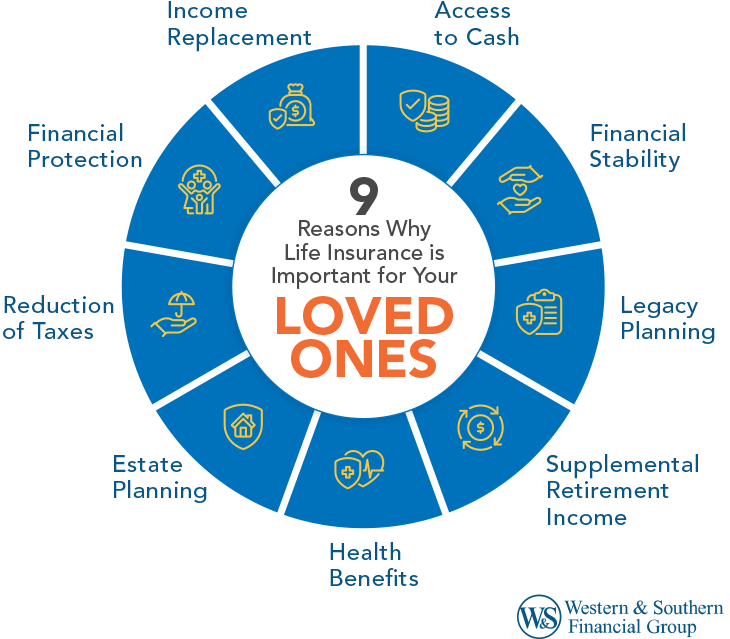
- Financial protection: Your family gets money when they need it most.
- Debt relief: Pays off loans so your family doesn’t worry.
- Wealth creation: Permanent policies can grow savings.
- Tax advantages: Death benefits are usually tax-free.
- Peace of mind: You know your loved ones are safe.
Life Insurance Vs. Other Financial Tools
How does life insurance compare to other tools like savings accounts or investments?
| Tool | Main Purpose | Protection | Growth Potential | Tax Benefits |
|---|---|---|---|---|
| Life Insurance | Family protection | Yes | Moderate (permanent) | Death benefit tax-free |
| Savings Account | Emergency funds | No | Low | No |
| Investments | Wealth growth | No | High | Depends on account |
Life insurance isn’t a replacement for savings or investments, but it fills a unique gap by offering protection and sometimes growth.
Practical Tips For Choosing Life Insurance
When picking life insurance, keep these tips in mind:
- Compare policies: Look at features, costs, and coverage amounts.
- Check company ratings: Choose a company with strong financial health.
- Review your needs regularly: Life changes, and so should your coverage.
- Talk to an advisor: A professional can help you find the right policy.

Unique Insights Most Beginners Miss
- Life insurance as a living benefit: Some policies let you use the cash value for retirement or emergencies while still alive.
- Policy loans: You can borrow from permanent life insurance without credit checks or approval, using your cash value as collateral. This can be helpful for unexpected expenses.
Life Insurance For Special Situations
Life insurance can also help in less obvious cases:
- Single adults with dependents: If you support aging parents or siblings, life insurance can protect them.
- Stay-at-home parents: Their work may not earn money, but it’s valuable. Insurance can cover the cost of replacing their support.
- People with health issues: Special policies exist for those with medical concerns, though costs may be higher.
Recent Changes And Trends In Life Insurance
Technology is making life insurance easier to buy. Many companies now offer online applications, faster approvals, and instant quotes. Some policies don’t require a medical exam if you’re healthy.
There’s also a growing interest in living benefits—features that let you use your policy for chronic illness, disability, or retirement needs.
Frequently Asked Questions
What Happens If I Stop Paying My Life Insurance Premiums?
If you stop paying, your policy may end, and your family won’t get the death benefit. Some permanent policies use cash value to keep coverage, but term policies usually cancel.
Is Life Insurance Payout Taxable?
In most cases, the death benefit is tax-free for your beneficiaries. There may be taxes if the payout is part of your estate or if you use cash value in certain ways.
Can I Change My Life Insurance Beneficiaries?
Yes, you can update your beneficiaries anytime. It’s smart to review them after major life changes like marriage, divorce, or new children.
How Does Life Insurance Fit With Other Financial Goals?
Life insurance works alongside savings, investments, and retirement plans. It adds protection and can build wealth with permanent policies, but it’s not a substitute for other tools.
Is It Possible To Buy Life Insurance Online?
Yes, many companies let you buy policies online. It’s faster and often easier, but talking to an advisor can still help you understand your options. For more details, see this Wikipedia article.
Building a secure financial future takes planning. Life insurance is a powerful tool that can protect your loved ones, cover debts, and offer peace of mind. Whether you’re starting your financial journey or looking to add more security, life insurance deserves a place in your plan.
By understanding your needs, comparing options, and staying informed, you can make the best choices for your financial health.
