
Whole life insurance is often described as a “life-long safety net. ” Unlike term life insurance, which covers you for a specific period, whole life insurance stays with you for your entire life, as long as you pay the premiums.
But what makes it so attractive to many people? Why do some families and financial planners prefer whole life insurance over other options? In this article, you’ll discover all the major benefits of whole life insurance, how it compares to other types, and why it can be a wise choice for both protection and financial planning.

What Is Whole Life Insurance?
Whole life insurance is a type of permanent life insurance. This means the policy does not expire as long as you keep paying your premiums. When you pass away, your loved ones receive a death benefit. But whole life insurance offers much more than just coverage.
One key feature is the cash value. Part of your premium goes into a savings-like account. Over time, this cash value grows at a guaranteed rate. You can borrow against it, withdraw, or even use it to pay your premiums in the future. This is different from term life insurance, which only pays out if you die during the policy term and has no cash value.
Lifelong Protection For Your Family
If you want to make sure your family has financial security no matter when you pass away, whole life insurance is powerful. Unlike term insurance, which ends after 10, 20, or 30 years, whole life insurance covers you for your entire life.
This lifelong coverage is especially valuable if you have dependents who may need support even in your later years. For example, people with special needs children, aging parents, or business partners who rely on them often choose whole life insurance.
A common mistake is thinking you only need life insurance while your children are young. But major expenses—like funeral costs, estate taxes, and debt repayment—can happen anytime. Whole life insurance ensures your family receives a payout whenever it’s needed.
Guaranteed Cash Value Growth
One of the most appealing features is the guaranteed cash value. Every time you pay your premium, part of it goes into this account. The cash value grows each year at a fixed, guaranteed rate set by the insurance company.
Here’s a simple example:
- If you pay $3,000 per year, maybe $1,000 goes into the cash value after fees and costs.
- Over 10 years, your cash value might grow to $15,000 or more, depending on the policy.
This guaranteed growth is rare in financial products. Many savings plans, like mutual funds or stocks, can lose value. With whole life insurance, you know your cash value will increase every year, no matter what happens in the economy.
Table: Cash Value Growth Example
| Year | Premium Paid | Cash Value |
|---|---|---|
| 1 | $3,000 | $600 |
| 5 | $15,000 | $5,200 |
| 10 | $30,000 | $15,400 |
| 20 | $60,000 | $38,900 |
The numbers above are examples. Actual cash value depends on your policy terms and company.
Access To Cash Value
You don’t have to wait until you die for your policy to benefit you. The cash value is yours to use while you’re alive. This can help in many ways:
- Borrowing: You can take a low-interest loan against your cash value, often without credit checks.
- Withdrawals: If you need money for emergencies or opportunities, you can withdraw cash (though this may reduce your death benefit).
- Paying Premiums: After enough cash value builds up, you may use it to pay future premiums and keep the policy active.
This flexibility is a big reason why many people prefer whole life insurance. It’s like having a backup savings account that grows, protected from market losses.
Stable Premiums That Never Change
With whole life insurance, your premiums stay the same for your whole life. This is different from other insurance types, where costs can rise as you get older or if your health changes.
Knowing your payment won’t increase gives you peace of mind. You can plan your budget and avoid surprises. For many, this stability is a key benefit, especially as you age and your income might decrease.
Dividends: Extra Earnings For Policyholders
Some whole life policies from mutual insurance companies pay dividends. These are not guaranteed, but many companies have paid dividends for decades.
You can use dividends in several ways:
- Add them to your cash value for extra growth
- Receive them as cash payments
- Use them to reduce your premiums
Dividends are a unique feature. They reward policyholders, not shareholders, because mutual companies are owned by their customers. In 2023, top mutual insurers paid out over $5 billion in dividends to policyholders.
Strong Estate Planning Tool
Whole life insurance is often used in estate planning. When you pass away, the death benefit goes to your chosen beneficiaries, usually tax-free. This money can be used to:
- Pay estate taxes
- Cover funeral costs
- Settle debts
- Provide income for heirs
For people with large estates, the tax-free payout can help heirs avoid selling property or assets to pay taxes. It’s also used to equalize inheritance, for example, giving cash to one child while another gets the family business.
A non-obvious insight: Many people use whole life insurance to leave a legacy to charity. You can name a charity as a beneficiary, ensuring a meaningful gift after your lifetime.
Protection From Market Risks
If you invest in stocks or mutual funds, your money can go up and down. Whole life insurance offers guaranteed returns and protection. Your cash value does not decrease because of market drops.
This makes it attractive for people who want safety. Especially during economic downturns, knowing your policy’s value is secure can reduce stress.
Table: Whole Life Insurance Vs. Other Types
| Feature | Whole Life | Term Life | Universal Life |
|---|---|---|---|
| Coverage Length | Lifetime | 10-30 years | Flexible |
| Cash Value | Yes | No | Yes |
| Premiums | Fixed | Usually fixed | Flexible |
| Market Risk | None | None | Possible |
| Dividends | Possible | No | No |
Tax Advantages Of Whole Life Insurance
Whole life insurance offers several tax benefits:
- Death benefit is usually tax-free for beneficiaries.
- Cash value grows tax-deferred: You don’t pay taxes on growth unless you withdraw more than you paid in.
- Loans are not taxed: Borrowing against cash value doesn’t trigger income taxes.
This can make whole life insurance a smart tool for building wealth and passing it on efficiently.
A tip many beginners miss: If you structure withdrawals carefully, you can access your cash value without paying taxes, using policy loans instead of direct withdrawals.
Forced Savings And Discipline
Many people struggle to save money. Whole life insurance can help. By paying regular premiums, you build cash value over time. This acts as a forced savings plan, helping you accumulate wealth even if you’re not disciplined.
Another insight: Unlike traditional savings accounts, you cannot easily withdraw all your money. This “lock-in” feature helps you avoid spending your savings impulsively.

Support For Business Owners
Business owners often use whole life insurance in creative ways:
- Key person insurance: Protects your company if a vital employee or owner dies.
- Buy-sell agreements: Helps partners buy out a deceased partner’s share without financial stress.
- Collateral for loans: Cash value can be used as collateral when applying for business loans.
These uses make whole life insurance a flexible tool for both personal and business financial planning.
Comparing Costs And Benefits
Whole life insurance is more expensive than term insurance, but it offers extra value. Here’s a comparison:
Table: Sample Costs (age 40, $250,000 Policy)
| Type | Annual Premium | Cash Value After 20 Years | Coverage Length |
|---|---|---|---|
| Whole Life | $3,800 | $50,000 | Lifetime |
| Term Life | $350 | $0 | 20 Years |
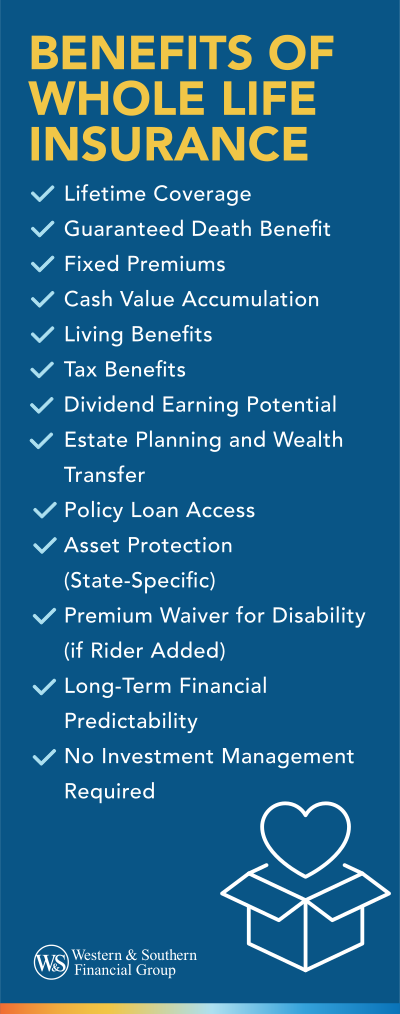
While whole life costs more, it provides permanent coverage, cash value growth, and extra financial tools.
Common Mistakes When Choosing Whole Life Insurance
Many people make mistakes when buying whole life insurance:
- Buying too small a policy: This can leave your family under-protected.
- Not understanding cash value: Some think it’s instant savings, but it grows slowly at first.
- Ignoring policy loans: Borrowing too much can reduce your death benefit or cause the policy to lapse.
- Choosing the wrong insurer: Not all companies offer strong guarantees or dividends. Research before buying.
A confident tip: Always check the insurer’s ratings and dividend history. Ask about fees and surrender charges before you sign.
Is Whole Life Insurance Right For You?
Whole life insurance is not for everyone. If you only need coverage for a short period, term insurance is cheaper. But if you want lifelong protection, cash value, and stable premiums, whole life insurance can be a smart choice.
It’s especially useful for:
- People with dependents who need long-term support
- Those wanting to build savings safely
- Business owners needing flexible financial tools
- Families with estate planning needs
Before buying, compare quotes, ask questions, and make sure you understand the policy’s features.

Frequently Asked Questions
What Is The Main Difference Between Whole Life And Term Life Insurance?
Whole life insurance provides lifelong coverage and builds cash value, while term life insurance only covers you for a set period and has no cash value.
Can I Access My Cash Value Anytime?
Yes, you can borrow or withdraw from your cash value, but keep in mind that withdrawals or loans may reduce your death benefit and could have tax consequences.
Are Premiums For Whole Life Insurance Fixed?
Whole life insurance premiums are fixed for your lifetime, making it easy to plan your budget and avoid unexpected increases.
How Do Dividends Work With Whole Life Insurance?
Some policies pay dividends to policyholders. You can use them to grow your cash value, reduce premiums, or receive cash payments. Not all policies offer dividends, and they are not guaranteed.
Is Whole Life Insurance A Good Investment?
Whole life insurance is best seen as a financial protection tool with savings benefits, not as an investment. It offers guaranteed growth and stability, but returns may be lower than stocks or mutual funds. For more details, see this Investopedia guide.
Whole life insurance is a unique blend of protection and savings. It’s more expensive than term insurance, but it delivers stability, lifelong coverage, guaranteed cash value, and extra financial benefits. If you value predictable growth, flexible access to funds, and permanent security for your loved ones, whole life insurance is worth considering.
As always, review your options, compare policies, and seek expert advice to find the right fit for your needs.