
Life can change in a moment. One day, everything feels safe. The next, an unexpected event could put your family’s security at risk. Many people ask, “How can I protect my loved ones if something happens to me? ” This is where life insurance products come in.
For many families, life insurance is not just a financial tool—it’s peace of mind. But what exactly is the purpose of life insurance, and why do millions of people consider it a key part of their financial planning? Let’s explore how life insurance works, what problems it solves, and the hidden benefits that many people overlook.

Understanding Life Insurance: The Basics
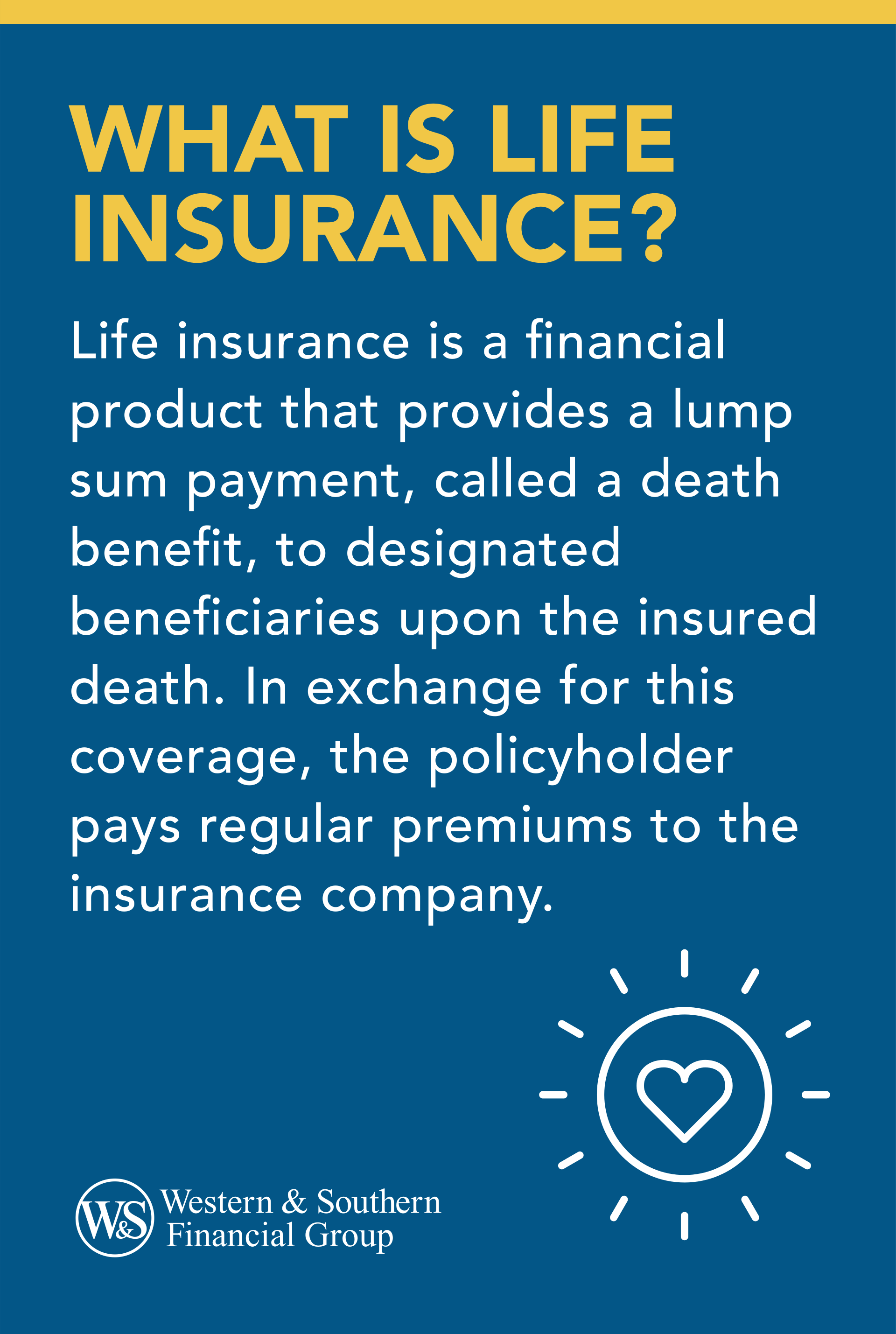
Life insurance is a contract between you and an insurance company. You pay regular amounts, called premiums. In return, if you die while the policy is active, your chosen person (called a beneficiary) receives a sum of money. This lump sum is known as the death benefit.
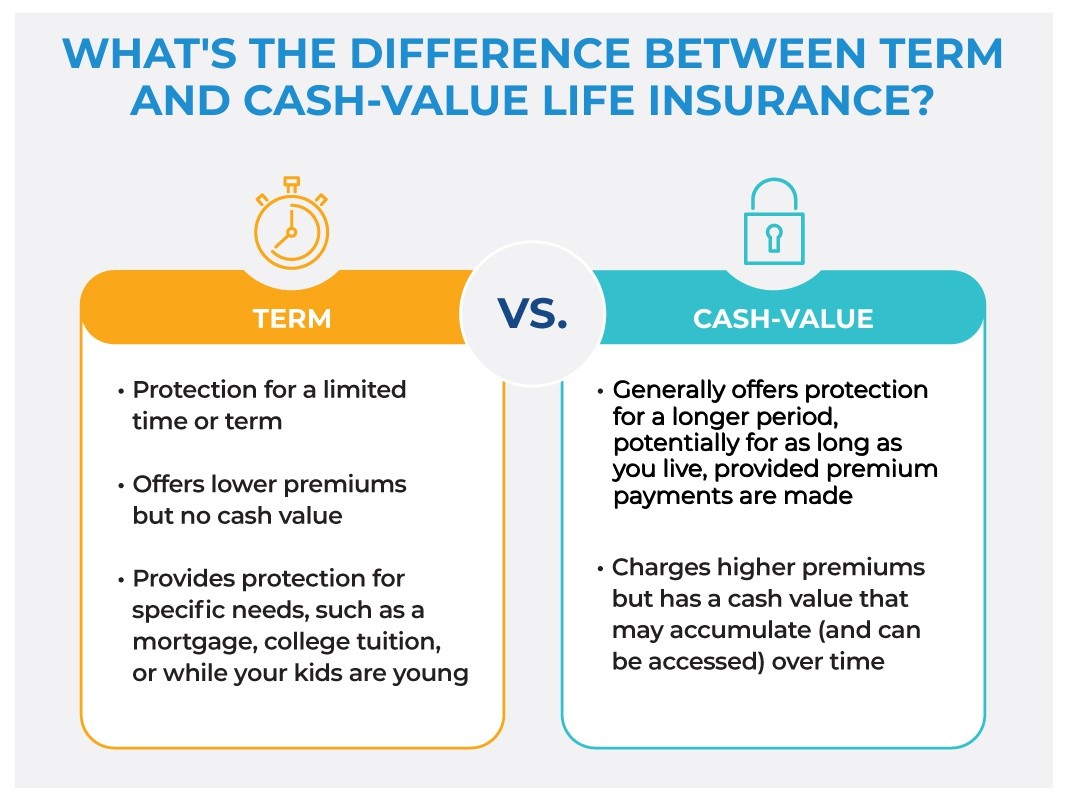
There are two main types:
- Term life insurance: Covers you for a set number of years (for example, 10, 20, or 30 years).
- Permanent life insurance: Lasts your whole life and may include a savings part, called cash value.
These products are simple in idea, but their impact can be huge.
Why Do People Buy Life Insurance?
Many people think life insurance is only for parents or older adults. In reality, it serves many different purposes across all ages. Here are the main reasons why people choose life insurance:
- Protecting family income: If you are the main earner, your family may struggle to pay bills, rent, or mortgage if you die unexpectedly.
- Paying off debts: Life insurance can clear debts like loans or credit cards, so your family isn’t left with payments.
- Covering funeral costs: Funerals can cost $7,000–$12,000 in the US. Insurance can help pay these costs.
- Leaving an inheritance: Some people use life insurance to give money to their children, even if they don’t have big savings.
- Business planning: Business owners use life insurance to protect their companies and partners.
- Charitable giving: You can name a charity as the beneficiary, making a lasting impact.
Key insight: Even if you have no dependents, life insurance can help pay final costs and leave a legacy.
How Life Insurance Products Work
Let’s break down how a typical life insurance policy works, step by step:
- You apply for a policy. This usually includes filling out health questions and sometimes a medical check.
- Choose the coverage amount (for example, $250,000).
- Select the policy type and term.
- Pay regular premiums (monthly, quarterly, or yearly).
- If you die while covered, the insurance company pays the benefit to your beneficiary.
Here’s a simple example:
- John, age 35, buys a 20-year term life insurance policy for $500,000.
- He pays $25 per month.
- If John dies in the next 20 years, his wife receives $500,000.
- If John lives past 20 years, the policy ends. He can renew or buy a new one.
Life Insurance In Real Life: Who Needs It Most?
While almost anyone can benefit, some groups have the highest need:
| Group | Why Life Insurance Matters |
|---|---|
| Young parents | Protects children and spouse if a parent dies. |
| Homeowners with a mortgage | Pays off home loan, so family can keep the house. |
| Business owners | Ensures business can continue or debts are paid. |
| Single income families | Replaces lost income, keeps lifestyle stable. |
| People with debts | Prevents passing debt to family members. |
| Older adults with estate plans | Leaves a tax-free gift to heirs. |
Non-obvious insight: Even young, healthy people can lock in lower premiums by buying early. Waiting until later can make insurance much more expensive or even impossible if you develop health problems.
Main Purposes Of Life Insurance Products
1. Financial Protection For Loved Ones
This is the core reason. If you die, your family still needs to pay for rent, food, school, and other basics. Life insurance gives them a financial cushion.
2. Debt Repayment
Most people have some debt—mortgages, car loans, student loans, or credit cards. Life insurance can cover these, so your family isn’t left with bills they can’t pay.
3. Covering Final Expenses
Funeral and burial costs often surprise families. A life insurance policy can make sure your family doesn’t have to borrow money or use savings for these costs.
4. Supporting Children’s Education
Some parents use life insurance to fund college for their kids if they’re not there to help. The payout can be set aside for future school costs.
5. Estate Planning And Wealth Transfer
For people with assets, life insurance helps pass wealth to the next generation. Some policies can help pay estate taxes, so heirs aren’t forced to sell family property.
6. Business Continuation
If a business owner dies, the company can use the insurance money to keep running or to buy out the owner’s share. This is called key person insurance or buy-sell agreements.
7. Charitable Purposes
Naming a charity as a beneficiary lets you make a large donation, even if you don’t have a lot of cash now.
How Much Life Insurance Is Enough?
This is a common question and an area where many people make mistakes. Some buy too little, while others buy more than they need. Here’s a simple way to estimate:
- Add up: All debts + future expenses (like college) + income needed for your family (for example, 5–10 years).
- Subtract: Savings, investments, and any other assets.
A typical rule is to aim for 7–10 times your yearly income, but everyone’s situation is different.
Tip: Review your policy every few years as your life changes (marriage, kids, new house, etc.).
Types Of Life Insurance Products: A Quick Comparison
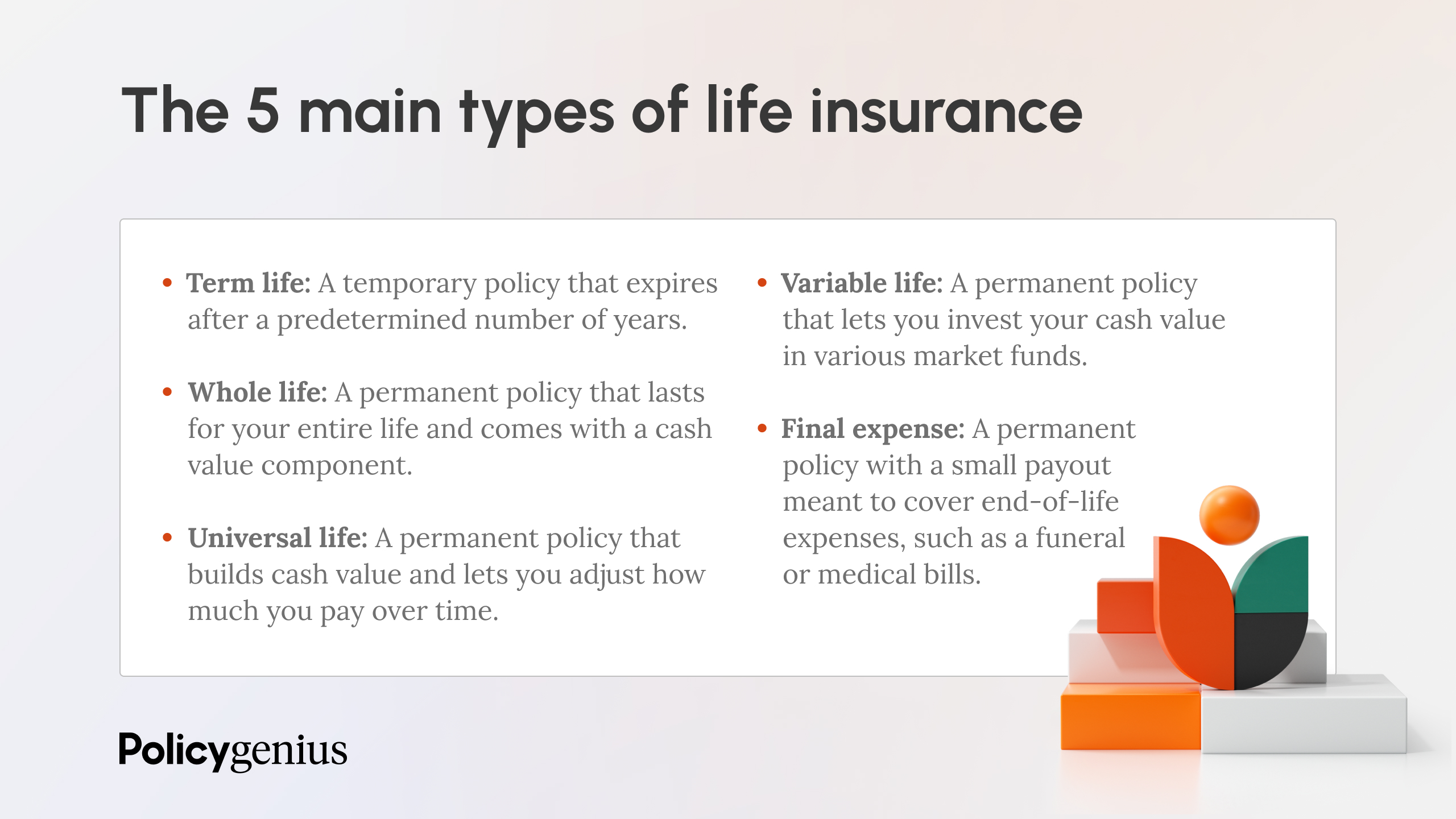
There are many types of life insurance. Here’s a table to compare the most common ones:
| Type | Coverage Length | Cash Value? | Cost | Best For |
|---|---|---|---|---|
| Term Life | 10–30 years | No | Low | Simple, affordable protection |
| Whole Life | Lifetime | Yes | High | Long-term savings + protection |
| Universal Life | Lifetime | Yes (flexible) | Varies | Flexible payments, savings |
| Final Expense | Lifetime | No | Moderate | Funeral costs, small debts |
Key insight: Term life is usually enough for most people. Permanent insurance (whole, universal) may be better for those with complex estate needs or high incomes.
Myths And Misunderstandings About Life Insurance
Many people avoid life insurance because of myths. Let’s clear up a few:
- “I’m young and healthy, I don’t need it.” Accidents and illness can happen to anyone, and buying young locks in lower costs.
- “It’s too expensive.” Term life insurance is often cheaper than a daily cup of coffee.
- “My job gives me enough coverage.” Employer plans may not be enough and can end if you leave the job.
- “I have savings, so I don’t need insurance.” Even with savings, insurance offers a quick payout, free from taxes, when your family needs it most.
Non-obvious insight: Some permanent policies let you use part of the benefit if you get a serious illness while alive—called living benefits.
Tax Benefits Of Life Insurance
One big plus: life insurance payouts are usually tax-free for your beneficiaries. Also, the cash value in permanent life insurance grows tax-deferred. This means you don’t pay taxes on the growth each year.
In some cases, you can borrow against the cash value without paying taxes, but there are limits and rules. Always ask a tax expert for your specific situation.
Common Mistakes When Buying Life Insurance
Let’s look at mistakes people make and how to avoid them:
- Buying too little coverage: Many people only get enough to cover funeral costs, not ongoing family needs.
- Not updating beneficiaries: Life changes—like divorce or remarriage—can cause problems if you don’t update who gets the money.
- Choosing the wrong type: Sometimes, people buy permanent insurance when term life is enough.
- Waiting too long: Premiums rise with age and health issues. Waiting can mean higher costs or being denied coverage.
- Forgetting to review: Your needs change over time. Review every few years.
How To Choose The Right Life Insurance Product
Choosing the right policy can feel confusing. Here are steps to help:
- Think about your goals: Is it just to replace your income, or do you want to build savings too?
- Decide how long you need coverage: Until your kids finish college? For your whole life?
- Set your budget: Only buy what you can afford to keep paying.
- Compare quotes: Prices vary between companies.
- Check the company’s strength: Make sure the insurer is reliable and has good reviews.
Comparing Life Insurance With Other Financial Tools
Some people wonder how life insurance compares with other ways to protect their family, like savings or investments.
| Tool | Main Benefit | Downside | Best Use |
|---|---|---|---|
| Life Insurance | Immediate, large payout if you die | Must pay premiums | Replacing income, debt payoff |
| Savings Account | Easy access, no fees | May not grow fast, taxed | Emergency fund, small expenses |
| Investments | Can grow wealth over time | Value can go up/down, may take time to sell | Long-term goals, retirement |
Important: Life insurance and savings/investments work best together, not as replacements for each other.
A Real-world Example
Maria, age 30, earns $50,000 per year. She has a husband and two young kids. She buys a 20-year term policy for $500,000, paying $22 per month. Sadly, Maria dies in a car accident after five years. Her family receives $500,000.
This money pays off the house, covers funeral costs, and helps pay for her children’s education. Without insurance, her family would face big financial struggles.
When Should You Review Or Change Your Policy?
Life changes mean your coverage needs may change too. Review your policy if:
- You get married or divorced.
- You have a child.
- You buy a new home.
- Your income changes a lot.
- You start or end a business.
Changing your policy can mean increasing coverage, changing beneficiaries, or switching to a different type.
Final Thoughts
The purpose of life insurance products goes beyond just money—it’s about protecting dreams, keeping families stable, and giving peace of mind during hard times. Whether you want to cover basic costs, leave a legacy, or help your business survive, life insurance can be a smart and caring step.
Many people delay buying because they think it’s too complex or not urgent. But the truth is, no one can predict the future. The best time to get covered is when you’re healthy and young. If you want to learn more, the Insurance Information Institute has helpful guides.
Frequently Asked Questions
What Is The Main Purpose Of Life Insurance?
The main purpose of life insurance is to provide financial support to your loved ones if you die. It helps pay for living costs, debts, and other important needs.
Is Life Insurance Only For People With Families?
No, life insurance can be useful for single people, business owners, or anyone who wants to cover debts, leave a gift, or pay for funeral costs.
How Much Life Insurance Do I Need?
Most experts suggest 7–10 times your yearly income as a starting point. But your needs may be higher or lower based on debts, family size, and other factors.
Can I Change My Life Insurance Policy Later?
Yes. You can usually increase coverage, change beneficiaries, or switch policy types as your needs change. Always review your policy during big life events.
Is The Payout From Life Insurance Taxable?
In most cases, life insurance payouts are tax-free for your beneficiaries. Some complex policies may have tax rules, so check with a tax advisor if unsure.