
When someone buys life insurance, they hope to protect their family or loved ones from financial stress. They name a beneficiary—the person who will receive the money if they die. But what happens if the beneficiary dies before, or at the same time as, the policyholder? This is a situation many people never think about, but it can cause confusion and delays. Understanding how insurance companies handle these cases, and what you can do to prevent problems, will help you feel more confident about your life insurance plan.
What Is A Life Insurance Beneficiary?
A life insurance beneficiary is the person or group who gets the payout (the death benefit) when the insured person passes away. Most people name their spouse, children, or another close relative. You can also name a charity, trust, or business. It’s possible to name more than one beneficiary, and you can decide how much each person gets.

There are two main types:
- Primary beneficiary: The first in line to receive the money.
- Contingent beneficiary: The backup. They get the money if the primary beneficiary cannot (for example, if they have already died).
Many people only name a primary beneficiary. But this can lead to trouble if that person is not alive when the policyholder passes.
What Happens If Your Beneficiary Dies Before You?
If your primary beneficiary dies before you and you do not update your policy, your life insurance payout may not go where you want. Here’s what usually happens:
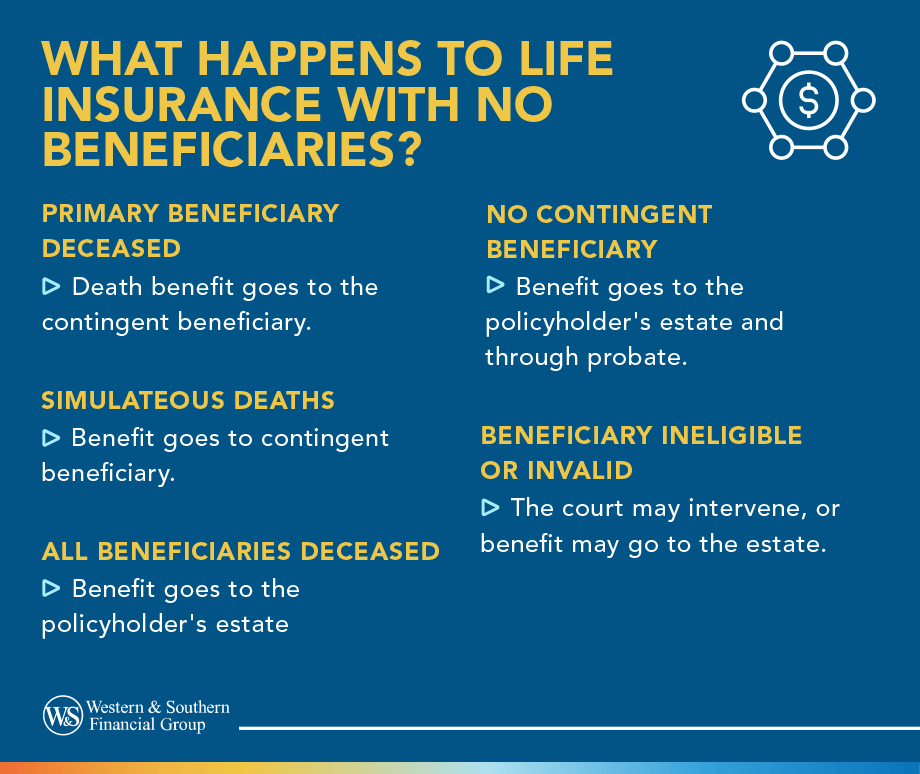
- If you have named a contingent beneficiary, the payout goes to them.
- If you have no contingent beneficiary, the money may go to your estate.
When the payout goes to your estate, it becomes part of your assets. This can mean:
- The money will go through probate, a legal process that can take months.
- Creditors can claim the money to pay your debts.
- The money may be divided according to your will (if you have one), or according to state law if you don’t.
Most insurance companies will not pay the death benefit to just anyone. They need clear instructions. If there is confusion, the process can be slow and stressful for your family.
Example
Imagine you named your spouse as your beneficiary, but your spouse died before you. You did not update your policy. When you pass away, your children expect the money. But the insurance company cannot pay them directly unless they are named.
The money goes to your estate, and your children may get less after debts and fees.

What If The Beneficiary Dies At The Same Time As The Policyholder?
Sometimes, a simultaneous death occurs—for example, in a car accident. Insurance companies follow special rules to decide who gets the payout.
Most states use the Uniform Simultaneous Death Act. This law says that if the beneficiary and the policyholder die at the same time, or it’s unclear who died first, the beneficiary is treated as if they died first. That means the payout skips the deceased beneficiary and goes to the contingent beneficiary or the estate.
Real-world Data
About 5% of life insurance claims each year involve some kind of beneficiary issue, according to the Insurance Information Institute. Simultaneous death is rare, but it happens enough that insurers have clear rules.
How Insurance Companies Handle Deceased Beneficiaries
When a beneficiary has died, insurance companies need proof. They usually ask for:
- Death certificates of both the policyholder and beneficiary
- Proof of relationship
- Policy documents
If there are multiple beneficiaries, the company will divide the money as directed. If all named beneficiaries are deceased, the money goes to the estate.
Here’s a quick comparison showing what happens in different situations:
| Situation | Payout Goes To | Probate? |
|---|---|---|
| Primary beneficiary alive | Primary beneficiary | No |
| Primary deceased, contingent alive | Contingent beneficiary | No |
| No living beneficiaries | Estate | Yes |
| Simultaneous death | Contingent or estate | Maybe |
Estate As Beneficiary: What Are The Risks?
When life insurance money goes to your estate, it is no longer protected from creditors. This can be a problem if you have debts, or if you want your family to get the full amount.
Some risks include:
- Delays: Probate can take months or even years.
- Legal costs: Lawyers and courts may take a fee.
- Reduced payout: After debts and costs, your family may get less.
Here’s an example of how the payout can change:
| Death Benefit | Probate Fees | Debts | Family Receives |
|---|---|---|---|
| $100,000 | $5,000 | $20,000 | $75,000 |
| $50,000 | $2,500 | $10,000 | $37,500 |
Common Mistakes And How To Avoid Them
Many people make mistakes with their life insurance beneficiaries. Here are some of the most common:
- Not updating beneficiaries: People forget to update after a death, divorce, or birth of a child.
- Naming only one beneficiary: If that person dies, the policy may default to the estate.
- Not naming a contingent beneficiary: There’s no backup if the primary is deceased.
- Not checking for “per stirpes” or “per capita” language: This affects how money is divided among children or other heirs.
- Ignoring legal changes: State laws or insurance rules may change over time.
To avoid these problems:
- Review your policy every few years.
- Update beneficiaries after major life events.
- Name at least one contingent beneficiary.
- Ask your insurance agent about “per stirpes” (money goes to your beneficiary’s children if they die) or “per capita” (money is split among all living beneficiaries).
How To Update Your Life Insurance Beneficiary
Updating your beneficiary is usually simple. Most companies let you do it online or by mailing a form. You’ll need:
- Your policy number
- Names and details of new beneficiaries
- Relationship to each beneficiary
Some insurers ask for extra proof, especially if you name a trust or charity.
Here’s a step-by-step guide:
- Contact your insurance company.
- Ask for a beneficiary change form.
- Fill out the form with full names, birth dates, and relationship.
- Specify how much each person should receive.
- Submit the form and keep a copy.
If you want to name a minor child, consider a trust or guardian. Insurance companies usually cannot pay minors directly.
Why Naming Multiple Beneficiaries Matters
Naming more than one beneficiary protects your plan. If one dies, others can still receive the payout. You can split the money however you want.
For example, you could name:
- Your spouse (70%)
- Your son (20%)
- Your daughter (10%)
If your spouse dies before you, your children get their shares. You can also add a contingent beneficiary as backup.
Here’s a comparison of payout splits:
| Beneficiary | Share (%) | Contingent Available? |
|---|---|---|
| Spouse | 70 | Yes |
| Son | 20 | Yes |
| Daughter | 10 | Yes |
Special Cases: Trusts, Charities, And Minors
Some people name a trust or charity as their beneficiary. Trusts can help avoid probate and keep money safe for children or others. Charities must be legally recognized.
If you want to protect a minor child, naming a trust is smart. Otherwise, courts may appoint a guardian, which can cause delays.
What If No Beneficiary Is Named?
If you never name a beneficiary, or you remove all beneficiaries, your payout will go to your estate. This is almost never the best option, because of the risks and delays.
Legal And Tax Implications
When a beneficiary is deceased, legal issues can arise. Probate courts decide who gets the money. State laws control how assets are divided if there’s no will.
Tax rules are usually simple:
- Life insurance payouts to individuals are tax-free.
- Payouts to estates may be taxed if the estate is large.
For more details on estate taxes, visit the IRS Estate Tax page.
Practical Tips For Policyholders
A few smart steps can help you avoid problems:
- Always name at least one contingent beneficiary
- Review and update your policy after any major life event
- Talk to your insurance agent about trusts for minor children
- Check your policy for “per stirpes” or “per capita” language
- Keep a copy of your beneficiary form in a safe place
Non-obvious insight: Many people don’t realize that if their estate receives the payout, creditors can claim it—even for debts not related to the policyholder’s death. Another missed detail: If your beneficiary lives abroad, extra paperwork and delays may happen, so check with your insurer.

Frequently Asked Questions
What Happens If All Beneficiaries Are Deceased When The Policyholder Dies?
If every named beneficiary has died, the life insurance payout usually goes to the policyholder’s estate. The money will be handled through probate, which can mean delays, legal fees, and possible claims from creditors. It’s best to update your policy to avoid this situation.
Can I Name A Charity Or Trust As A Beneficiary?
Yes, you can name a charity or trust as a life insurance beneficiary. Make sure the charity is legally recognized, and the trust is set up correctly. This can help avoid probate and make sure your wishes are followed.
How Can I Update My Beneficiary After Someone Dies?
Contact your insurance company and ask for a beneficiary change form. Fill it out, giving the names and details of your new beneficiaries. Submit the form and keep a copy for your records. You can usually do this online or by mail.
Will The Payout Be Taxed If It Goes To My Estate?
Life insurance payouts are usually tax-free for individuals. If the money goes to your estate and your estate is large, it could be subject to estate taxes. Check with a tax professional or visit the IRS website for more details.
What Is “per Stirpes” And Why Does It Matter?
“Per stirpes” means the payout goes to a beneficiary’s children if that beneficiary dies before you. This can help ensure your money stays in your family. Ask your insurance agent if your policy uses this language.
Life insurance is meant to give peace of mind. By naming the right beneficiaries, updating your policy, and understanding what happens if a beneficiary dies, you protect your loved ones from stress and financial trouble. Take action now to make sure your wishes are followed, and your family is cared for when they need it most.