
Are Life Insurance Payouts Taxable?
Many people buy life insurance to protect their loved ones. But when the time comes, there is often confusion about taxes. If someone passes away, will their family have to pay tax on the life insurance payout? This question makes many people nervous because they want their family to get the full amount, not lose money to taxes.
The answer is not always simple, and rules can change based on the type of policy, who receives the money, and how the payout is structured.

This article will clear up those doubts. You will learn when life insurance payouts are taxable, when they are not, and what you can do to avoid surprises. We will also look at real examples, use data, and compare different situations. The goal is to help you understand everything you need to know about life insurance payouts and taxes in the United States, in simple words.
What Is A Life Insurance Payout?
A life insurance payout is the money paid to beneficiaries when the insured person dies. The amount depends on the policy. Some pay a lump sum; others pay over time. Usually, this payout is meant to help families cover expenses like funeral costs, debts, or living costs.
There are two main types of payouts:
- Death benefit: The main payout after the insured person passes away.
- Living benefit: Money paid while the insured is alive, often for serious illness or disability.
For this article, we focus on the death benefit because it is the most common and the one people worry about regarding taxes.
Are Life Insurance Payouts Taxable?
Most people are happy to learn that in the United States, life insurance payouts are usually not taxable. This means if you receive money as a beneficiary, you do not have to pay federal income tax on it. However, there are exceptions and special rules.
When Are Life Insurance Payouts Not Taxable?
Life insurance payouts are not taxable if:
- You receive the money as a lump sum after the insured person dies.
- The policy was paid with after-tax dollars (most personal policies).
This rule applies to most people and most situations. For example, if your spouse dies and you receive $100,000 from their life insurance, you do not pay tax on this money.
When Can Life Insurance Payouts Be Taxable?
Life insurance payouts can be taxable in certain cases:
- If the payout earns interest before you receive it.
- If the policy is part of an employer plan and premiums were paid with pre-tax dollars.
- If you receive the money in installments with interest.
- If the policy is transferred for value (sold to someone else).
Let’s look deeper into these cases.
Interest On Life Insurance Payouts
Sometimes, insurance companies do not pay the death benefit right away. They may hold the money for a period, and it earns interest. Here’s how the tax works:
- The original death benefit is not taxed.
- Any interest earned is taxable as income.
Example: If the payout is $200,000, but the insurance company holds it for a year and it grows to $205,000 due to interest, the $200,000 is tax-free, but the $5,000 interest is taxable.
How Interest Is Paid
Usually, you can choose to receive the payout in installments. If you do, the insurance company may pay you a set amount every month, including interest. Only the interest portion is taxable.
| Installment Amount | Original Death Benefit | Interest Earned | Taxable? |
|---|---|---|---|
| $2,000/month | $1,800 | $200 | Interest ($200) is taxable |
| $2,500/month | $2,250 | $250 | Interest ($250) is taxable |
This is a detail many beginners miss: If you get the payout in installments, always ask how much is interest.
Employer-provided Life Insurance
Many companies offer group life insurance as a benefit. The tax rules are a bit different.
- If your employer pays for life insurance up to $50,000, it is not taxable.
- If coverage is over $50,000, the value above $50,000 may be taxable. This is called “imputed income.”
Example: Your company pays for $100,000 coverage. The IRS sees $50,000 as a benefit. The extra $50,000 may be counted as taxable income.
How Imputed Income Works
Your employer will report the taxable amount on your W-2 form. You may need to pay income tax on this part, even if you don’t receive the money yet.
This is a common mistake: Many people do not realize their employer-paid coverage above $50,000 is taxable.
Transfer For Value Rule
If a life insurance policy is sold or transferred to another person or company, the payout may become taxable. This is called the transfer-for-value rule.
- If you buy someone’s policy and you are not their family, the death benefit may be taxable.
- Exceptions: Transfers to spouses, children, or certain trusts are usually not taxable.
| Transfer Type | Taxable? |
|---|---|
| Sold to unrelated person | Taxable |
| Gifted to spouse | Not taxable |
| Transferred to trust for family | Not taxable |
This rule is often missed by beginners. If you buy or take over a policy, check the tax rules first.
Estate Taxes And Life Insurance
If the estate (all property owned) of the deceased is very large, life insurance can be part of the estate. In the US, estates over a certain value may owe estate taxes.
- For 2024, the federal estate tax exemption is $12.92 million.
- If the estate is below this, no federal estate tax.
- If the estate is over, the portion above is taxed.
If the policy is owned by the deceased, the death benefit may be included in the estate value.
How Estate Taxes Work With Life Insurance
If you are named as a beneficiary, usually you do not pay estate tax. But if the estate is the beneficiary, or if the owner of the policy is the deceased, the payout may be counted as part of the estate.
| Owner of Policy | Beneficiary | Death Benefit Included in Estate? |
|---|---|---|
| Deceased | Estate | Yes |
| Deceased | Family member | Yes |
| Trust | Family member | No |
This is an advanced point. If you want to avoid estate taxes, you can set up a trust to own the policy.
State Taxes On Life Insurance
Most states do not tax life insurance payouts. But some states have their own estate or inheritance taxes.
- Inheritance tax: Paid by the person who receives the money.
- Estate tax: Paid by the estate before money is distributed.
Check your state’s rules. For example, Pennsylvania and New Jersey have inheritance taxes, while California does not.
Life Insurance Payouts For Cash Value Policies
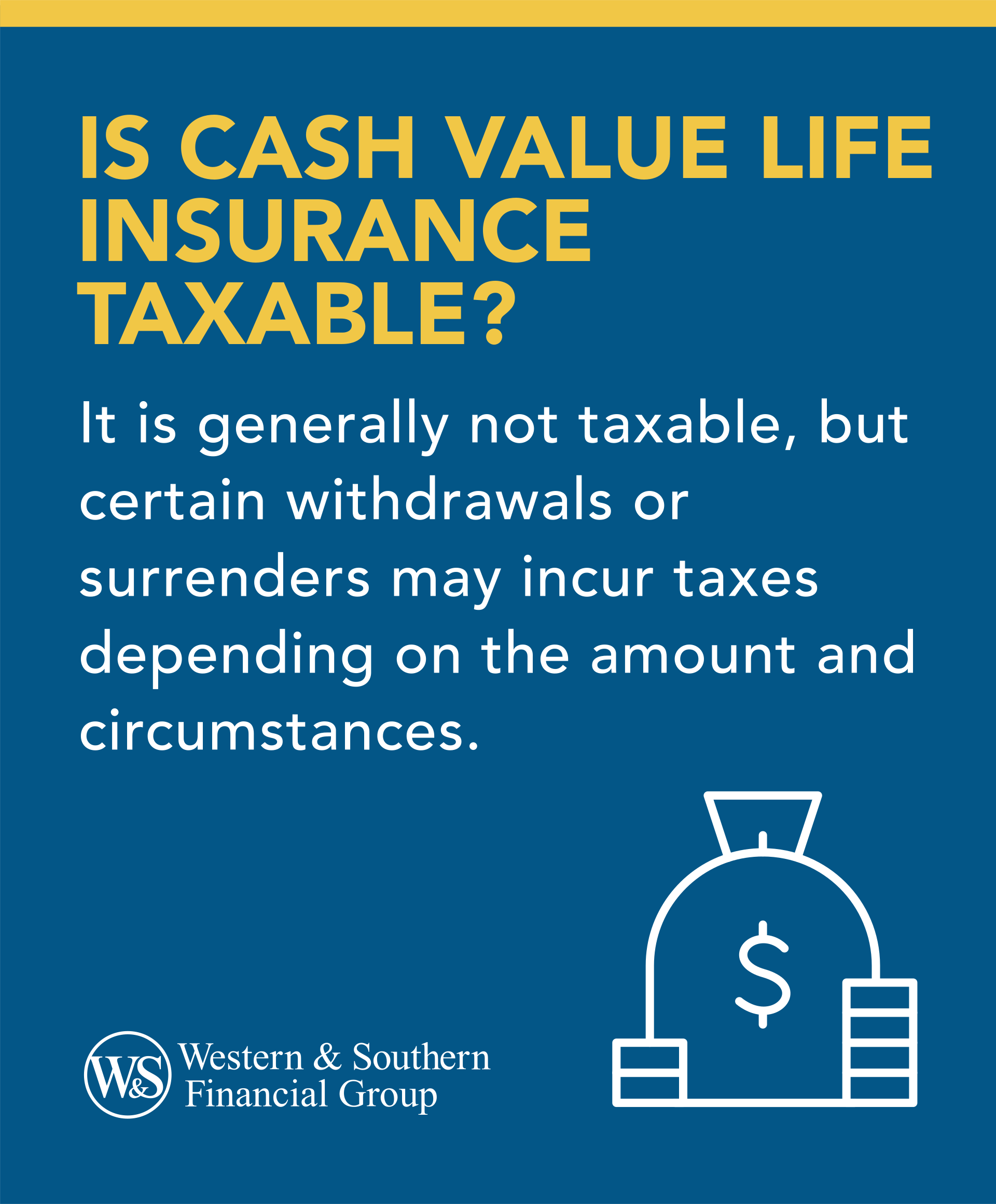
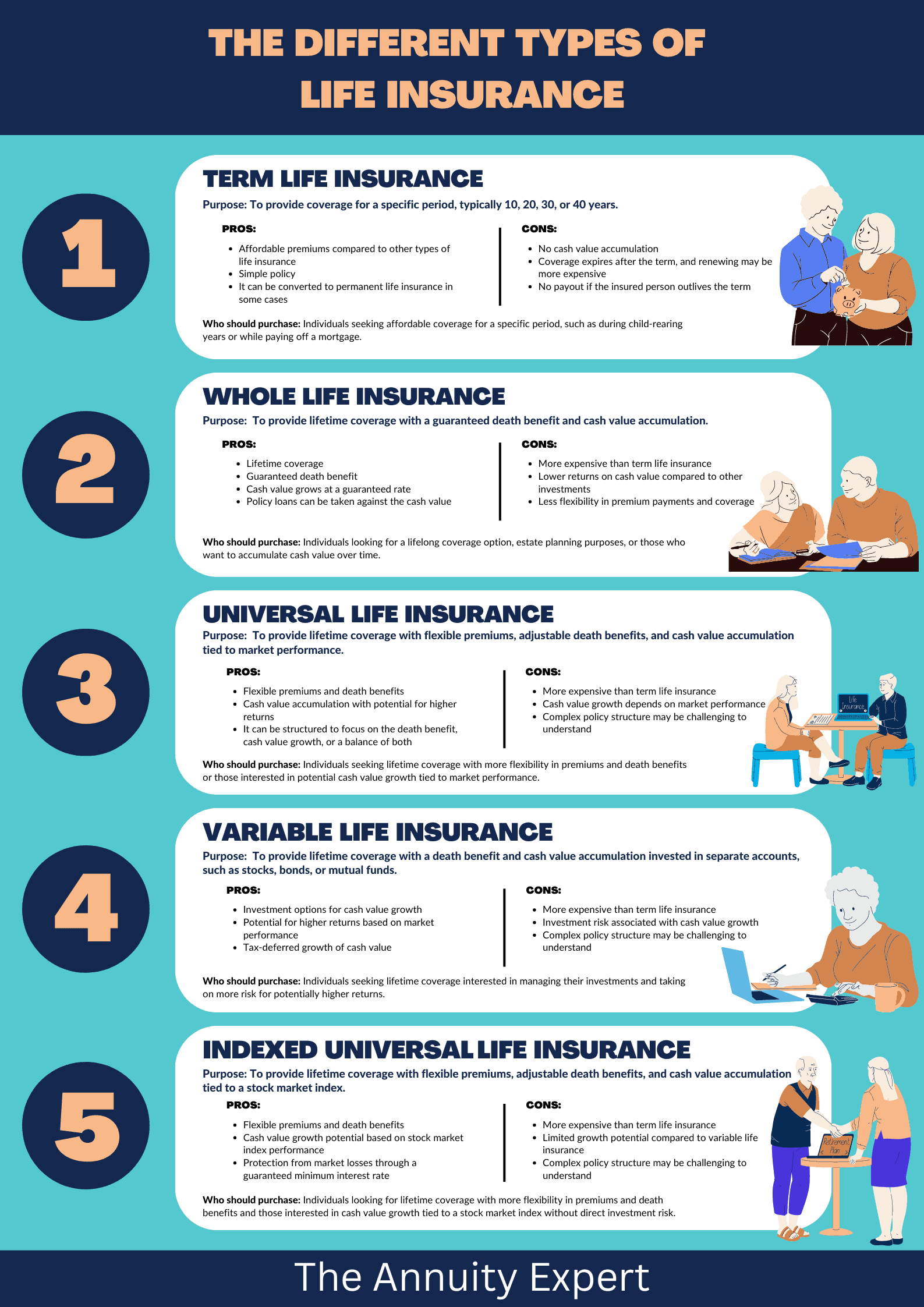
Some policies, like whole life or universal life, build up cash value. If you surrender the policy before death, you may owe tax on the gain.
- If you cash out more than you paid in premiums, the gain is taxable.
- If you die and the payout goes to your beneficiary, the death benefit is still not taxable.
This is a non-obvious insight: Cashing out a policy while alive is taxed differently than death benefits.

Tax Planning Tips For Life Insurance
To avoid surprises, here are some tax planning tips:
- Name a clear beneficiary. If you name your estate, the payout may be taxed.
- Set up a trust if your estate is large. This keeps the payout out of the estate.
- Avoid receiving payouts in installments unless you understand the interest portion.
- Check your employer coverage. If it is over $50,000, ask how imputed income works.
- Do not sell your policy unless you know the transfer-for-value rule.
These steps can help your family keep more money.
Real-life Examples
Let’s look at a few real situations:
- Example 1: John has a $150,000 term life policy. His wife is the beneficiary. When John dies, his wife receives $150,000 tax-free.
- Example 2: Mary’s employer pays for $200,000 group life insurance. The value above $50,000 is taxable as income every year, not when paid out.
- Example 3: Peter sold his policy to a friend. When Peter dies, the payout is taxable to the friend.
- Example 4: Lisa’s policy is owned by a trust. When she dies, her children get the death benefit tax-free and it is not part of her estate.
These examples show how important it is to know the details.
Common Mistakes Beginners Make
Many beginners miss the following points:
- Not knowing that interest earned on the payout is taxable.
- Naming the estate as beneficiary, which can trigger estate tax.
- Forgetting about state inheritance taxes.
- Not realizing the employer group policy above $50,000 can be taxable.
- Cashing out a policy while alive and not understanding the tax consequences.
Avoiding these mistakes can save thousands of dollars.
Comparing Life Insurance Tax Rules To Other Investments
Let’s compare life insurance payouts to other common investments:
| Type | Tax on Payout | Tax on Growth | Notes |
|---|---|---|---|
| Life Insurance Death Benefit | No (usually) | No | Interest is taxable |
| 401(k) / IRA | Yes | Yes | Taxed as income |
| Stock Sale | Yes | Yes | Capital gains tax |
| Bank Savings | No | Yes | Interest taxed |
This comparison shows how life insurance can be a tax-friendly way to pass money to your family.
How To Report Life Insurance Payouts
In most cases, you do not need to report life insurance payouts on your tax return. However, if you receive interest, you must report it.
- The insurance company will send you a Form 1099-INT for interest earned.
- Add the interest to your taxable income.
If you are unsure, ask the insurance company for guidance.
How Beneficiaries Can Prepare
If you are a beneficiary, here are steps to prepare:
- Check the policy details. Know who owns the policy and who is the beneficiary.
- Ask the insurance company about interest earned.
- Check if the payout is part of the estate.
- Review your state’s inheritance tax rules.
- Keep all documents for tax reporting.
Being prepared can make the process smoother and avoid mistakes.
Advanced: Irrevocable Life Insurance Trusts (ilit)
For large estates, people set up Irrevocable Life Insurance Trusts (ILIT). This keeps the policy outside the estate.
- The trust owns the policy.
- When the insured dies, the payout goes to the trust, not the estate.
- No estate tax on the death benefit.
This is a smart move for wealthy families. It is complex, so talk to a tax expert if you need this.
Practical Advisor’s Recommendations
Here are some practical recommendations:
- If your estate is under $12.92 million, you do not need to worry about estate tax.
- Always name a living person as beneficiary, not your estate.
- Avoid receiving payouts in installments if you want to keep taxes simple.
- If you have a cash value policy, talk to a tax advisor before cashing out.
- If your employer pays for life insurance, check your W-2 for imputed income.
These steps can help you avoid tax problems and keep more money for your family.
Frequently Asked Questions
Is The Life Insurance Death Benefit Always Tax-free?
No, it is usually tax-free, but if you receive interest or the policy is transferred for value, some parts may be taxable. Check your policy details.
What Happens If I Get The Payout In Monthly Installments?
The main death benefit is not taxed, but any interest earned from those installments is taxable income. Ask the insurance company how much is interest.
Does State Inheritance Tax Apply To Life Insurance Payouts?
Most states do not tax payouts, but a few have inheritance or estate taxes. Always check your state’s rules to avoid surprises.
How Does Employer-paid Life Insurance Affect My Taxes?
If your employer pays for coverage above $50,000, the value over $50,000 is counted as taxable income. This is shown on your W-2, not when paid out as a death benefit.
Should I Set Up A Trust For My Life Insurance Policy?
If your estate is large, setting up a trust can keep the payout out of your estate and avoid estate tax. This is smart for wealthy families, but not needed for most people.
If you want more detailed rules and current numbers, see this official resource: IRS Life Insurance FAQ.
Life insurance can be a simple way to protect your family, but understanding the tax rules is important. With clear planning and knowing the details, you can make sure your loved ones receive the full benefit. If you have a unique situation, it is best to talk to a tax expert.
Remember, most payouts are tax-free, but always check for exceptions.