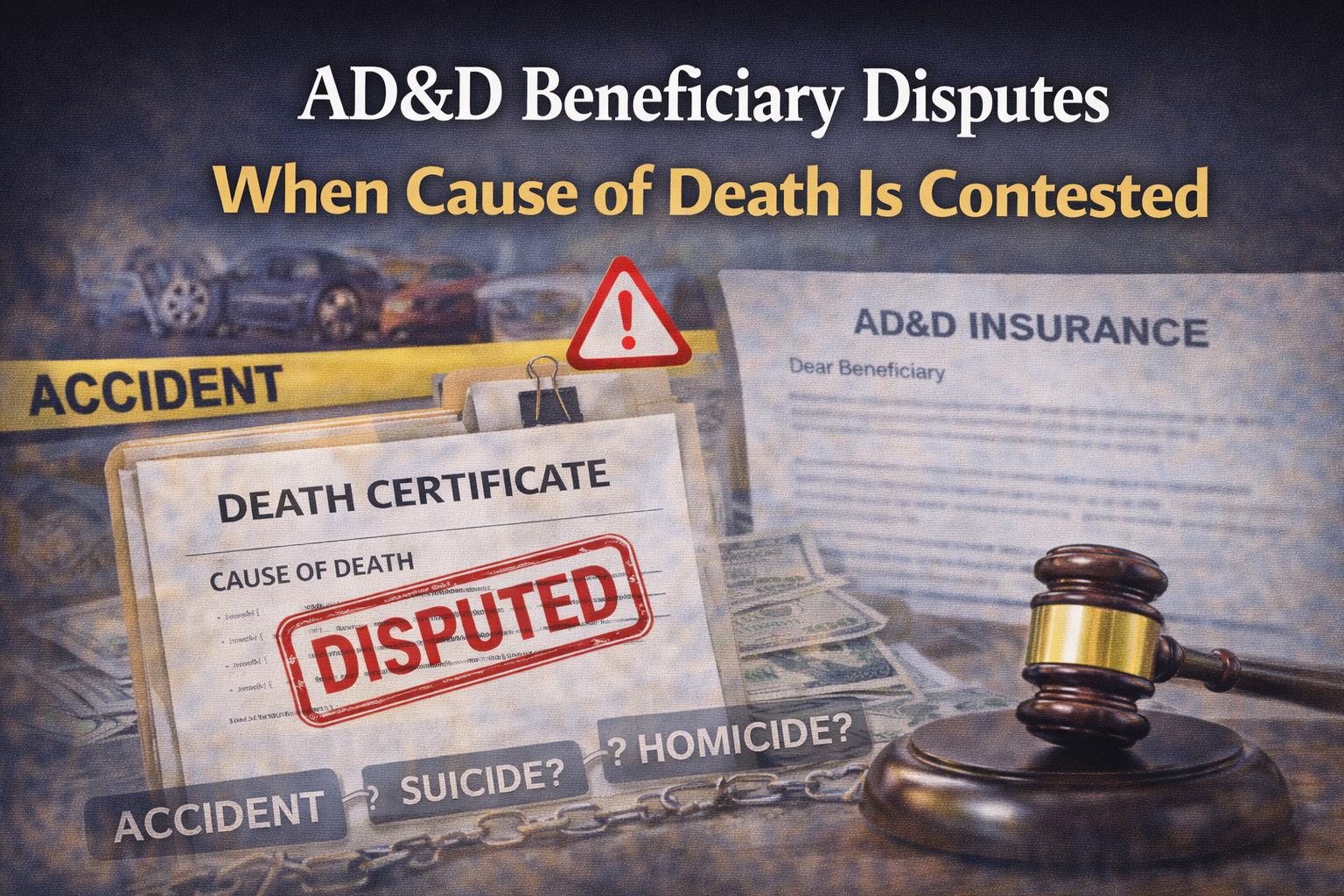
When someone buys life insurance, they often imagine it as a safety net for their loved ones. It promises that if the worst should happen, money will be there to help. But one question can create confusion: Does life insurance need cause of death? In other words, will the insurance company ask how the person died before paying out? And does the reason for death affect the payment? The answer isn’t always simple. Understanding this process is important for anyone who owns or plans to buy life insurance.
This article explores when and why insurance companies need to know the cause of death. We’ll look at what happens in practice, which situations can affect the payout, and what families should expect. We’ll also cover some surprising rules and real-world examples. By the end, you’ll be prepared to handle this topic with confidence and avoid common mistakes.

Why Do Life Insurance Companies Ask About Cause Of Death?
When someone dies and their family files a life insurance claim, the insurance company will almost always ask for proof of death. This proof is usually a death certificate, which includes the official cause of death. But why is this information so important?
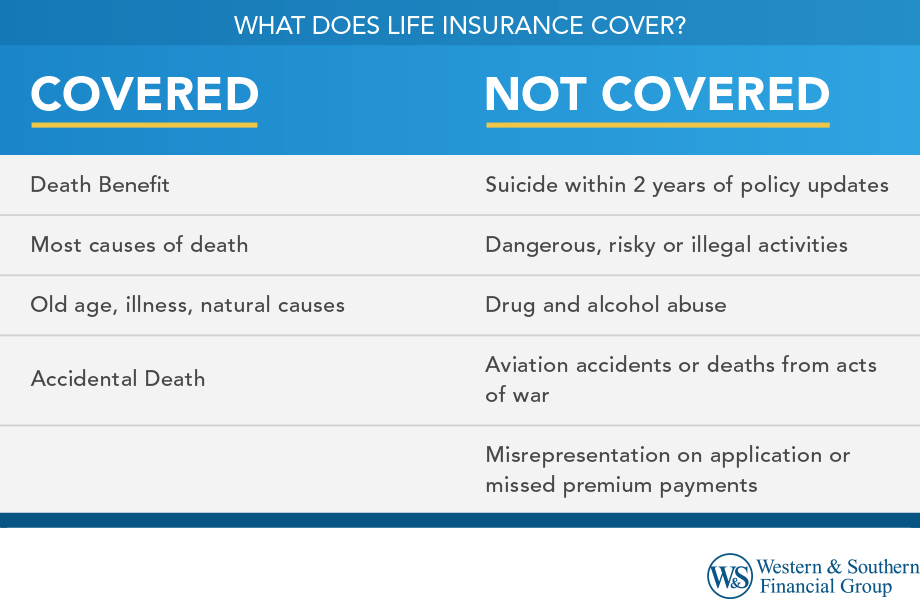
Insurance companies use the cause of death to decide if the policy covers the situation. Every life insurance policy has specific rules about what is and isn’t covered. For example, many policies do not pay if the death was caused by suicide within the first two years. Some exclude risky activities or deaths caused by certain crimes. The company needs to check that the claim fits the policy’s rules.
Another reason is to prevent fraud. If a policyholder dies in a suspicious way, the insurance company will investigate further. They want to make sure the claim is genuine and that no one tried to cheat the system.
In most normal cases—such as death from illness, old age, or accident—the process is simple. The death certificate confirms the facts, and the insurance pays out. But when the cause of death is unclear or falls into a “gray area,” things can become complicated.
How Life Insurance Policies Work With Cause Of Death
Let’s look deeper into how different life insurance policies handle the cause of death and what this means for beneficiaries.
Types Of Life Insurance
There are several main types of life insurance. Each type has its own approach to cause of death:
| Type of Policy | Usual Cause of Death Requirements | Common Exclusions |
|---|---|---|
| Term Life Insurance | Requires death certificate with cause | Suicide (first 2 years), fraud |
| Whole Life Insurance | Requires death certificate with cause | Suicide (first 2 years), fraud |
| Accidental Death Insurance | Must prove death was accidental | Natural causes, illness, some risky activities |
| Group Life Insurance | Death certificate usually enough | Rare, but may include suicide or criminal acts |
The most basic requirement for all policies is proof that the person has died. But the details matter. For accidental death policies, for instance, the cause must clearly be an accident—not illness or old age.
The Two-year Contestability Period
Most policies include a contestability period, often two years from when the policy starts. If the policyholder dies during this time, the insurance company can investigate the claim more closely. This period exists to prevent fraud and misrepresentation.
If, for example, someone failed to mention a serious illness on their application and died from that illness within the first two years, the insurance company may deny the claim. They look at the cause of death and compare it to the answers on the policy application.
After the contestability period ends, the process becomes simpler. As long as the premiums were paid and the policy was active, the company is less likely to investigate—unless there is evidence of fraud.
Common Exclusions And Their Impact
Not all causes of death are covered by life insurance. Insurance companies list exclusions in each policy. These are situations where they will not pay the benefit, even if the death certificate is provided.
Here are some common exclusions and how they affect the payout:
- Suicide Clause: Most policies exclude suicide within the first two years. After this period, suicide is usually covered.
- War or Terrorism: Deaths caused by war or terrorism may not be covered, depending on the policy.
- Criminal Activity: If the policyholder dies while committing a crime, the benefit might not be paid.
- Hazardous Activities: Some policies exclude deaths from risky hobbies like skydiving, unless the policyholder paid extra.
- Fraud or Misrepresentation: If the policyholder lied on the application and this is discovered after death, the claim can be denied.
These exclusions show why the insurance company wants to know the exact cause of death. It helps them decide if the situation fits the rules of the policy.
What Documents Do Beneficiaries Need?
When making a claim, beneficiaries usually need to provide:
- The death certificate (with cause of death listed)
- The original life insurance policy document
- Proof of their identity
- A completed claim form from the insurance company
Sometimes, more documents are required. For example, if the death was from an accident, the company may ask for a police report or medical examiner’s report. If the death happened outside the country, they may request translated or certified documents.
Having all the required paperwork ready can help speed up the process.
How The Claim Process Works
Understanding the steps can make a difficult time a little less stressful. Here’s what usually happens when a claim is filed:
- Notify the Insurance Company: The beneficiary contacts the insurance company and asks how to start a claim.
- Gather Documents: Prepare the death certificate and other required papers.
- Submit the Claim: Fill out the claim form and send all documents to the insurance company.
- Review by the Insurance Company: The company checks the documents, including the cause of death.
- Decision: If everything is in order, the claim is approved and paid. If there are questions (such as about the cause of death), the company may investigate further.
- Payment: Once approved, the benefit is paid to the beneficiary—usually by check or direct deposit.
If the insurance company needs to investigate (for example, if the cause of death is unclear or falls under a possible exclusion), the process can take longer.
Real-world Examples: How Cause Of Death Affects Payout
Let’s look at a few scenarios to see how the cause of death makes a difference.
Example 1: Death By Natural Causes
Maria, age 55, passes away from a heart attack. Her family provides the death certificate showing the cause of death. Maria’s policy was active for 10 years, and she answered all questions honestly when she applied. The insurance company reviews the documents and pays the benefit quickly.
Natural causes like heart disease or cancer are almost always covered, as long as the policy is active and there’s no evidence of fraud.
Example 2: Accidental Death
John, age 40, dies in a car accident. His policy includes accidental death coverage. The insurance company asks for a police report to confirm the details. Once they confirm the death was truly accidental, they pay the benefit—sometimes double the normal amount, depending on the policy’s terms.
Example 3: Suicide Within Two Years
David buys life insurance and, sadly, dies by suicide 18 months later. Because this happened within the policy’s two-year contestability period, the company does not pay the death benefit. This is a common rule and is explained when buying the policy.
Example 4: Death Involving Crime
Samantha dies during a robbery she was committing. Her policy excludes death caused by criminal acts. The insurance company reviews the case, sees the cause of death is linked to a crime, and denies the claim.
Example 5: Omitted Health Information
Paul had a serious illness but did not mention it when he applied for insurance. He dies from that illness during the contestability period. The insurance company investigates, finds the omission, and denies the claim.
These examples show how the cause of death is a key part of every claim.
What If The Cause Of Death Is Unclear?
Sometimes, the cause of death is not obvious. Maybe there was no witness, or the death certificate lists the cause as “undetermined. ” In these cases, the insurance company may do a deeper investigation.
They might:
- Ask for a medical examiner’s report
- Request police or hospital records
- Interview witnesses or family members
If, after investigation, the cause of death does not fit an exclusion, the company should pay the claim. If the death is suspicious or there is evidence of fraud, they can deny it.
One non-obvious insight: If the cause of death remains truly unclassified after full investigation, the insurance company often leans toward paying out—unless there is clear evidence of fraud or exclusion. This is because US insurance law usually favors the beneficiary if the facts remain unclear.
What About Deaths Overseas?
If a policyholder dies in another country, the process can be more complicated. The insurance company will still require a death certificate, but it must be an official document from the foreign government. Sometimes, the company asks for the certificate to be translated or certified by the US embassy.
Some countries have more paperwork, or their documents may take longer to obtain. In rare cases, if the insurance company cannot confirm the details, they may delay or deny the claim. It helps to work with the US embassy or a local lawyer in these situations.
How Long Does The Process Take?
Most life insurance claims are paid within two to four weeks after all documents are received. If the cause of death is simple—like old age or a clear illness—the process is fast. If there are questions or investigations, it can take several months.
Here’s a comparison of timelines for different scenarios:
| Scenario | Average Time to Payout | Reason for Delay |
|---|---|---|
| Natural Causes | 2-4 weeks | Minimal investigation |
| Accident | 4-8 weeks | Need police/medical reports |
| Suspicious/Fraud Cases | 3-6+ months | Full investigation |
| Death Overseas | 2-6 months | Document verification |
A practical tip: The claim will not start until the insurance company receives *all* required documents, so gather everything before submitting.
Contesting A Denied Claim
If a claim is denied because of the cause of death, beneficiaries have the right to challenge the decision. Start by asking the insurance company for a written explanation. If you believe the denial is unfair, you can:
- Request a review from the insurance company
- Provide more documents or evidence
- File a complaint with the state’s insurance regulator
- Take legal action as a last resort
Many denied claims are later paid after review, especially if the beneficiary provides new evidence or if the company made a mistake.
Non-obvious Insights About Cause Of Death And Life Insurance
While most people expect a simple process, here are a couple of insights that are easy to miss:
- Disputed Beneficiaries: If there is a disagreement about who should receive the money (for example, if the beneficiary form was not updated), the cause of death can become a secondary issue. In these cases, the insurance company may hold the benefit until the dispute is settled—even if the cause of death is clear.
- Presumed Death: In rare cases, someone goes missing but is not found. After a certain period, a court can declare the person legally dead. Insurance companies require a court order, not just a missing person report, to pay the claim. The cause of death may be listed as “presumed,” and the process can take years.
These situations show that the process is not just about the cause of death but also about legal and administrative steps.
When The Cause Of Death Doesn’t Matter
There are some situations where the cause of death does not affect the payout:
- If the policy has passed the contestability period and there is no evidence of fraud, almost any cause (except for listed exclusions) is covered.
- Many group life insurance policies, especially those provided by employers, have fewer restrictions than individual policies.
- Some policies, called “guaranteed issue,” do not require medical questions at all. These usually have higher premiums but fewer exclusions.
Still, even with these “easier” policies, the death certificate is always required.
What Beneficiaries Should Do
If you are a beneficiary, here are some steps to make the process smoother:
- Find the Policy: Keep a copy of the policy and know where it is stored.
- Get the Death Certificate: Order several official copies. Most insurance companies require the original or a certified copy.
- Contact the Insurance Company: Ask exactly what documents they need.
- Be Honest and Complete: Give all details about the cause of death, even if they seem unimportant.
- Ask for Help: If you get stuck, ask a lawyer, financial advisor, or state insurance department for guidance.
Being prepared can help avoid delays or confusion.
Comparing Life Insurance With Other Types Of Insurance
To understand how life insurance compares with other types, here’s a quick look:
| Insurance Type | Requires Cause of Death? | Payout Trigger |
|---|---|---|
| Life Insurance | Yes | Death of policyholder |
| Health Insurance | No | Medical treatment/expenses |
| Accidental Death Insurance | Yes (must be accident) | Death by accident only |
| Disability Insurance | No | Inability to work due to disability |
This shows why the cause of death is so central to life insurance—unlike other insurance products.

Key Takeaways
- Life insurance always needs the cause of death—mainly to check for exclusions and prevent fraud.
- Most policies pay as long as the death is not from an excluded cause and the application was honest.
- The process is fastest with clear, complete documents.
- Knowing the rules and preparing in advance can prevent many problems.
For more detailed information about life insurance and claims processes, you can visit the National Association of Insurance Commissioners.
Frequently Asked Questions
Does Every Life Insurance Claim Require A Death Certificate?
Yes, almost all life insurance claims require an official death certificate. This document proves the person’s death and lists the cause, which the insurance company uses to process the claim.
Will Life Insurance Pay If The Cause Of Death Is Unknown?
If the cause is listed as undetermined or “pending,” the insurance company may delay the claim until more information is available. If, after investigation, the cause remains unknown and there is no evidence of fraud or exclusion, the company often pays the benefit.
Are All Causes Of Death Covered By Life Insurance?
No, not all causes are covered. Common exclusions include suicide (within the first two years), death during a crime, certain risky activities, and sometimes war or terrorism. Read the policy for specific rules.
What Should I Do If My Claim Is Denied Due To The Cause Of Death?
Ask the insurance company for a written explanation of the denial. If you believe it is wrong, provide more documents, request a review, or contact your state’s insurance regulator for help.
Can I Get Life Insurance Without Medical Questions About My Health?
Yes, some policies are called guaranteed issue or “no-exam” life insurance. These do not require health questions, but they may have higher premiums and a waiting period before full coverage.
Life insurance can feel confusing, but knowing the rules about cause of death helps you make smart choices and protects your loved ones.