
Life insurance is often seen as simple protection for your loved ones. You pay a premium, and if you die, your family receives money. But some types of life insurance do more than just pay out after death. They build cash value inside the policy. This cash value can grow, you can borrow against it, and sometimes you can even withdraw it. For many people, this feature is confusing. Why does life insurance have cash value at all? How does it work? Is it worth the extra cost? Let’s explore these questions, understand the details, and see how cash value fits into real life insurance policies.
What Is Cash Value In Life Insurance?
Cash value is a special feature found in permanent life insurance policies. Unlike term life insurance, which only lasts for a set number of years, permanent life insurance covers you for your whole life. Policies like whole life, universal life, and variable life build up cash value over time.

When you pay your premium, part of it goes to pay for the death benefit (the amount your family would get if you die). The rest goes into a cash value account. This account grows with time, often earning interest or investment returns.
You can use this money in several ways while you’re still alive.
How Does Cash Value Work?
Cash value is almost like a savings account inside your life insurance. Each year, your policy builds more value. This growth depends on the type of policy:
- Whole life insurance: Cash value grows at a fixed rate set by the insurer.
- Universal life insurance: Growth is based on interest rates, which may change.
- Variable life insurance: Cash value can be invested in stocks or bonds, so it may grow faster or slower.
Let’s see an example. Suppose you buy a whole life insurance policy with a $250,000 death benefit. You pay $200 per month. After five years, your policy might have built up $3,000 in cash value. After 20 years, it could be $25,000 or more, depending on the policy.
Why Do Life Insurance Policies Build Cash Value?
Cash value exists for several reasons. Some are practical, some are financial, and some are based on insurance company needs.
1. Long-term Protection
Permanent life insurance is meant to last your entire life. If you pay for decades, the insurer collects a lot of money. But the risk of paying the death benefit grows as you age. The cash value helps balance this risk.
It acts as a cushion that grows over time and helps the insurer cover costs when you get older.
2. Forced Savings
People often struggle to save money. Cash value life insurance builds savings automatically. You pay your premium, and the policy sets aside part of it for you. This can help you build wealth without thinking about it.
3. Borrowing Power
Cash value creates an option for policy loans. You can borrow money from your policy’s cash value, often at low interest rates. This is useful if you need quick cash for emergencies, business, or education.
4. Flexibility
Some policies let you use cash value to pay premiums, increase death benefits, or withdraw money. This flexibility makes permanent life insurance more attractive than simple term policies.
5. Insurance Company Stability
Insurance companies use cash value to manage their finances. The money in your policy helps the company invest, earn returns, and cover claims from other policyholders. This makes the business more stable and reliable.
Types Of Life Insurance With Cash Value
Not all life insurance policies have cash value. It’s important to know which ones do, and how they work.
Whole Life Insurance
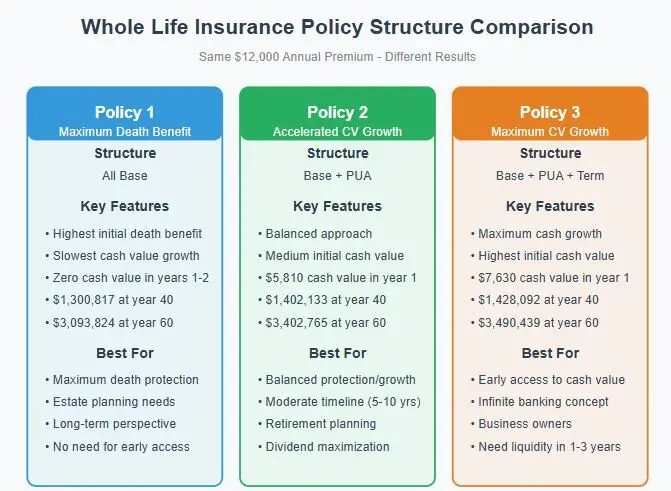
This is the oldest and most common form of permanent life insurance. It guarantees a fixed death benefit, fixed premiums, and steady cash value growth. The cash value grows slowly at first, but picks up speed over time.
Universal Life Insurance
Universal life insurance is flexible. You can change your premium payments and death benefit. The cash value grows based on market interest rates. If rates are high, your cash value can grow faster.
Variable Life Insurance
Variable life insurance lets you invest your cash value in mutual funds, stocks, or bonds. The growth depends on market performance. You could earn more, but you could also lose money if the market drops.
Indexed Universal Life Insurance
This policy links cash value growth to a stock market index, like the S&P 500. Growth is capped, but you won’t lose money if the market falls. It offers a balance between risk and reward.
Comparison Of Cash Value Features
Here’s a quick look at how different permanent life policies compare:
| Policy Type | Cash Value Growth | Investment Risk | Premium Flexibility |
|---|---|---|---|
| Whole Life | Fixed rate | None | Low |
| Universal Life | Variable (interest rate) | Low | High |
| Variable Life | Market-based | High | Medium |
| Indexed Universal Life | Index-linked | Medium | High |
How Cash Value Builds Over Time
Cash value doesn’t appear overnight. It takes years to grow, and the process depends on your policy and payment habits.
Early Years
In the first years, most of your premium pays for insurance costs and fees. Cash value grows slowly. For many policies, cash value is small or zero in the first few years.
Later Years
After the first decade, cash value growth speeds up. The policy’s costs drop, so more of your premium goes into cash value. By year 20 or 30, you may have a sizeable account.
Example Growth
Suppose you have a whole life policy with a $100,000 death benefit and $120 monthly premium. Here’s how cash value might build up over time:
| Year | Cash Value | Death Benefit |
|---|---|---|
| 1 | $0 | $100,000 |
| 5 | $1,500 | $100,000 |
| 10 | $7,000 | $100,000 |
| 20 | $22,000 | $100,000 |
| 30 | $45,000 | $100,000 |
These are rough numbers. Actual results depend on the policy, insurer, and your payment habits.
How You Can Use Cash Value
Cash value is more than just a number on paper. You can use it for several purposes, but each has rules and impacts.
1. Policy Loans
You can borrow money from your policy’s cash value. The insurer charges interest (usually lower than banks), but you don’t need to pass a credit check. You can use the money for any reason. If you die before paying back the loan, the insurer subtracts the loan amount from your death benefit.
2. Withdrawals
Some policies let you withdraw part of your cash value. This can reduce your death benefit, but you get money in your hands. Withdrawals may be tax-free up to the amount you paid in premiums (your “basis”), but any extra may be taxed.
3. Premium Payments
If you build enough cash value, you can use it to pay your premiums. This is helpful in retirement or during tough financial times.
4. Surrendering The Policy
If you no longer want your policy, you can surrender it and take the cash value. The insurer subtracts fees and charges, but you get the remaining money. Remember, surrendering means you lose your death benefit.
Common Mistakes When Using Cash Value
Many beginners make errors with cash value life insurance:
- Forgetting that loans and withdrawals can reduce the death benefit.
- Not checking surrender charges, which can eat up cash value.
- Thinking cash value grows fast—it takes time.
- Using cash value too early, which may damage long-term growth.
Cash Value Vs. Term Life Insurance
Many people ask: Should I buy cash value life insurance, or just get term life? The answer depends on your goals, budget, and needs.
Term Life Insurance
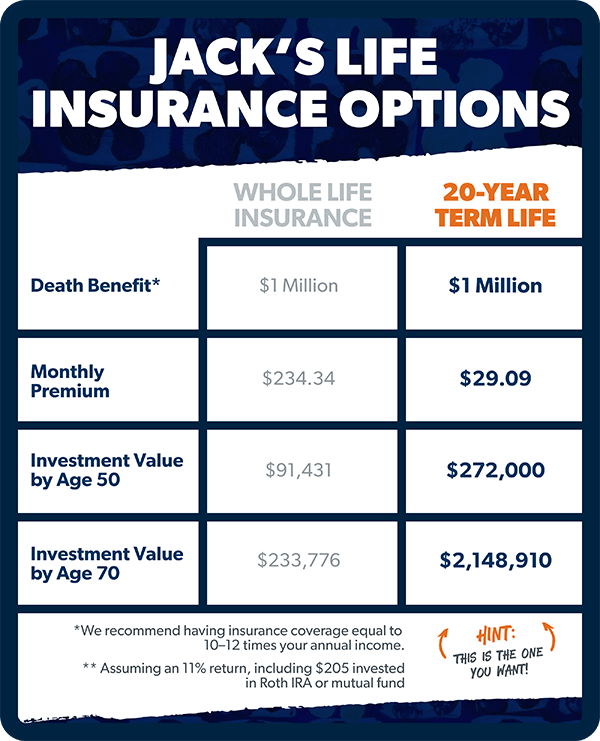
This policy offers pure protection. You pay a low premium for a set number of years (like 10, 20, or 30). If you die during the term, your family gets the death benefit. If you survive, the policy ends and you get nothing.
Permanent Life Insurance (with Cash Value)
Permanent policies cost more, but you build savings. You’re covered for life, and your policy grows cash value. You can borrow, withdraw, or use it for retirement.
Comparing Costs And Features
Here’s a look at how term and permanent life insurance compare:
| Feature | Term Life | Permanent Life (Cash Value) |
|---|---|---|
| Premiums | Low | High |
| Cash Value | None | Yes |
| Coverage Length | Limited | Lifetime |
| Policy Loans | No | Yes |
| Flexibility | Low | High |
Real-life Examples Of Using Cash Value
Let’s see how cash value works for real people.
Retirement Supplement
Maria bought a whole life policy at age 30. By age 65, her cash value reached $45,000. She used it to supplement her retirement income, borrowing $10,000 each year. She paid low interest, and her death benefit stayed strong.
College Funding
John’s parents bought a universal life policy when he was born. By age 18, the policy had $20,000 cash value. His parents borrowed money to pay for college, avoiding high student loan rates.
Emergency Fund
Paul lost his job at 50. His whole life policy had $30,000 cash value. He used withdrawals to cover bills while searching for work. The policy gave him a safety net during tough times.
Is Cash Value Life Insurance Right For You?
Cash value life insurance isn’t for everyone. It’s more expensive and complex than term life. But for some people, it offers unique benefits.
When It Makes Sense
- You want lifelong coverage, not just for a set period.
- You need forced savings to build wealth.
- You plan to borrow money for emergencies or big expenses.
- You want to leave a legacy for your family.
When It Doesn’t Make Sense
- You only need coverage for 10 or 20 years.
- You want the lowest possible premium.
- You have other ways to invest or save money.
Key Questions To Ask
- Can I afford the higher premiums?
- Do I understand how cash value grows?
- Will I use the policy’s features?
- Am I comfortable with long-term commitment?
:max_bytes(150000):strip_icc()/cash-value-life-insurance.asp-final-642f8f39dafe49b9bed6310edb61d726.jpg)
Non-obvious Insights For Beginners
- Cash value is not your money right away. It takes years to build, and early withdrawals can hurt your policy.
- Loans aren’t free. If you borrow from your policy, you must pay interest. If you don’t repay, your death benefit drops.
- Cash value can affect taxes. Some withdrawals and loans may trigger tax bills. Talk to a tax advisor before making big moves.
- Policy performance varies. Your cash value depends on the insurer’s investments, fees, and market rates. Always check your policy’s annual report.
Tips For Maximizing Cash Value
- Start your policy young—cash value grows faster over time.
- Pay premiums regularly and on time.
- Avoid early withdrawals unless necessary.
- Review your policy yearly to check cash value growth.
- Ask your insurer about fees, charges, and loan terms before using cash value.
For further details on policy types and cash value rules, see this resource: Investopedia.
Frequently Asked Questions
What Types Of Life Insurance Have Cash Value?
Only permanent life insurance policies build cash value. These include whole life, universal life, variable life, and indexed universal life. Term life insurance does not have cash value.
How Quickly Does Cash Value Grow?
Growth is slow at first, then speeds up after a decade or more. It depends on your policy, insurer, and premium payments. Whole life grows at a fixed rate, while universal and variable policies depend on interest rates or investments.
Can I Lose Money In A Cash Value Policy?
Yes, especially with variable life insurance. If your investments perform poorly, cash value can drop. Also, fees and charges may reduce your cash value if you surrender the policy early.
Are Policy Loans Tax-free?
Usually, yes. Loans from cash value are not taxed, as long as the policy stays in force. But if you don’t repay and the policy lapses, you may owe taxes.
What Happens To Cash Value When I Die?
Most insurers pay only the death benefit—not the cash value—to your beneficiaries. Any cash value usually goes back to the insurer. Some policies offer riders to pay both, but this costs extra.
Life insurance with cash value can be a powerful tool for protection, savings, and flexibility. But it’s important to understand how it works and whether it fits your needs. Take time to learn, ask questions, and choose wisely for your financial future.