
Life insurance promises to protect your family if something happens to you. Most people believe their loved ones will get the money after they die. But sometimes, life insurance does not pay out. If you are thinking about buying life insurance or already have it, you need to know how often this happens, why it happens, and how to avoid mistakes.
This guide makes everything simple for beginners, using clear words and real examples.

How Often Does Life Insurance Not Pay Out?
The good news is that life insurance pays out most of the time. In the United States, insurance companies usually pay claims unless there is a clear reason not to. According to the American Council of Life Insurers, over 98% of claims are paid. Only around 2% are denied each year. This means that the risk of not getting paid is low, but it is not zero.
Why are some claims denied? Most often, it is because of mistakes or rules that people did not understand. Knowing these reasons helps you avoid problems.
Common Reasons Life Insurance Does Not Pay Out
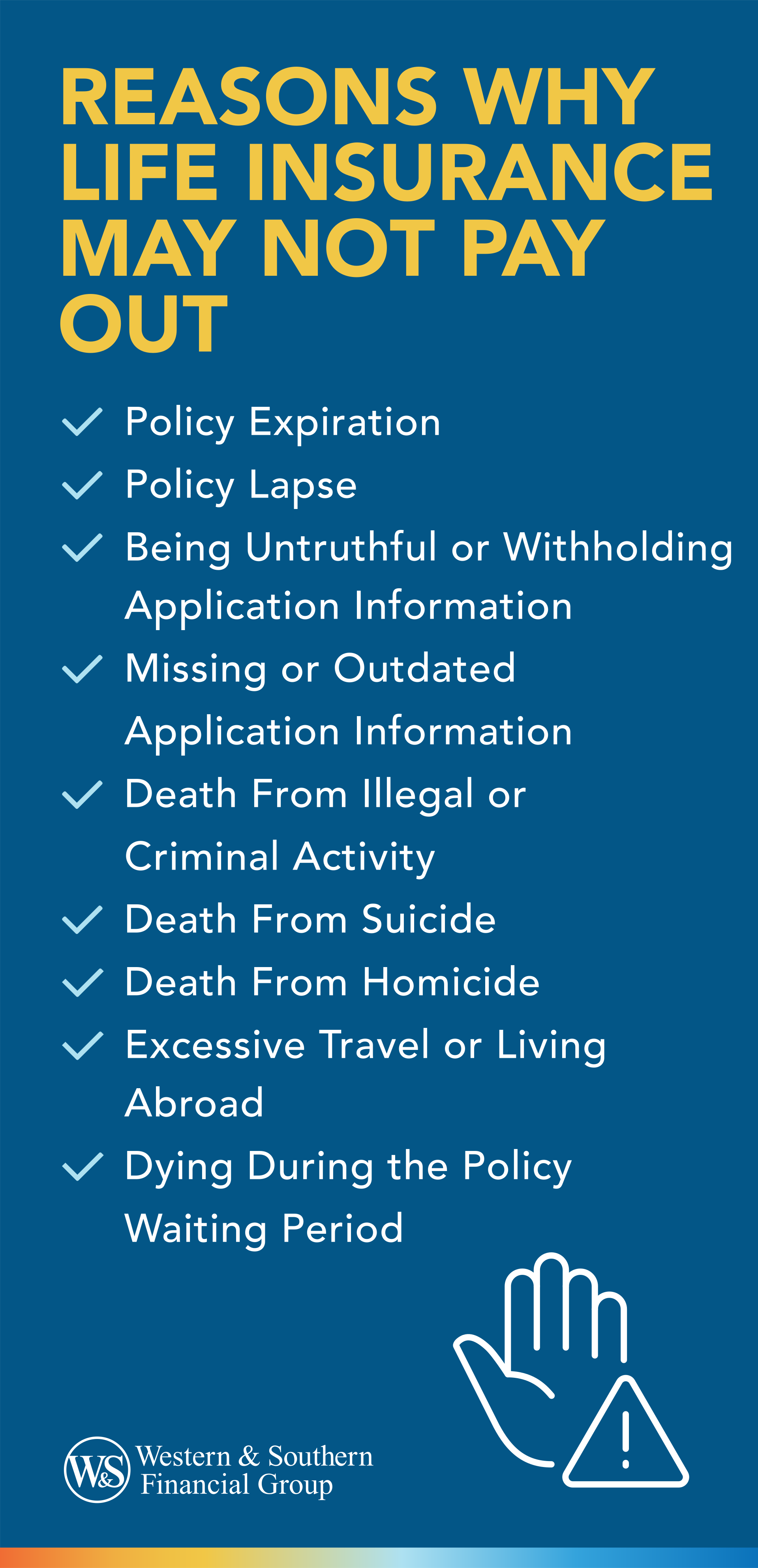
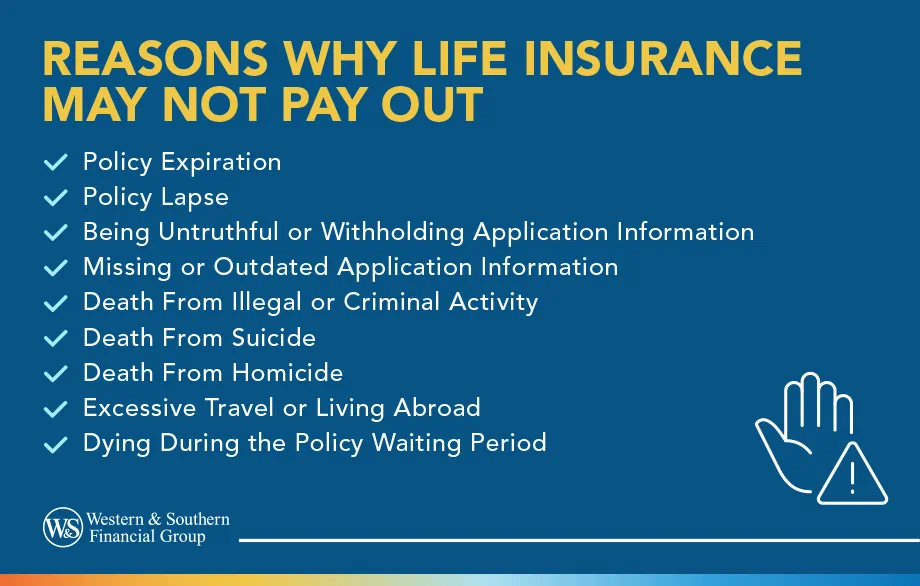
Life insurance companies follow strict rules. If a claim breaks these rules, they can refuse to pay. Here are the main reasons:
1. Incorrect Information (misrepresentation)
Many people make mistakes or leave out facts when they apply. For example, someone may not tell the company about a serious health problem. If the insurer finds out later, they can deny the claim. Even small mistakes, like forgetting to mention smoking, can cause trouble.
2. Fraud
If a person gives false information on purpose, this is fraud. For example, lying about age, health, or risky hobbies. Insurance companies check these facts carefully if a claim is made soon after the policy starts.
3. Death During The Contestability Period
Most policies have a contestability period. This is usually the first two years. If the person dies during this time, the company will check the application closely. If they find mistakes or lies, they may refuse to pay.
4. Excluded Causes Of Death
Some types of death are not covered. The most common exclusions are suicide (usually not covered during the first two years), death from dangerous activities like skydiving, or death during war.
5. Lapsed Policy
If you stop paying premiums, your policy can lapse. This means it is no longer active. If someone dies after the policy lapses, there is no payout.
6. Beneficiary Problems
If the beneficiary cannot be found, or if there is a legal dispute, the payout can be delayed or denied.
7. Illegal Activity
If death happens during a crime, insurance companies may not pay.
Most claims are denied for one of these reasons. But many denials can be avoided if you understand the rules and pay attention.
Real-world Data And Examples
To make this easier, here is a simple comparison of claim payout rates in the US and UK:
| Country | Claim Payout Rate | Common Denial Reasons |
|---|---|---|
| United States | 98% | Misrepresentation, Lapsed Policy |
| United Kingdom | 97.3% | Misrepresentation, Exclusions |
Most insurance companies publish their payout data. For example, in 2022, Prudential (a US insurer) paid out more than 99% of life insurance claims. In the UK, the Association of British Insurers reported that only 2.7% of claims were denied, mainly for incorrect information.
Example 1: A man in Texas bought life insurance and said he did not smoke. He died one year later. The insurer found medical records showing he smoked for years. The claim was denied due to misrepresentation.
Example 2: A woman missed three payments, and her policy lapsed. She died six months later. Her family did not get the payout, even though she had paid for years.
These cases show why details matter.
How Insurers Decide To Pay Or Not Pay
When you make a claim, the insurance company checks:
- The application details (health, habits, age)
- How premiums were paid
- The cause of death
- The policy rules
If everything matches, they pay quickly—often within weeks. If there are questions, they investigate. Most problems happen during the contestability period or if the policy has exclusions.
Here is a simple step-by-step flow of what happens:
- Claim is made
- Insurer checks the policy and application
- Insurer checks payment history
- Cause of death is reviewed
- If all is correct, payout is made
- If not, claim may be delayed or denied
This process is usually smooth, but it can take longer if there are doubts.
What You Can Do To Make Sure Your Life Insurance Pays Out
Many beginners worry about getting their money. Here are simple steps to help:
1. Tell The Truth When You Apply
Always be honest about your health, habits, and hobbies. If you are not sure, ask your doctor or check your records.
2. Pay Premiums On Time
Set reminders or use automatic payments. Even missing one payment can cause trouble.
3. Read Your Policy
Look for exclusions, contestability periods, and other important rules.
4. Update Your Beneficiary
Make sure your beneficiary is correct and easy to contact. If you change your mind, update the policy.
5. Keep Records
Save all documents, payment proofs, and policy details in one place.
6. Ask Questions
If you do not understand something, ask your agent or the company. It is better to be clear now than risk a problem later.
Many people think insurance is simple, but these steps are often missed. For example, some people forget to update their beneficiary after marriage. Others do not realize that missing payments can cancel their policy.
Contestability And Suicide Exclusion Periods
Two rules confuse many beginners: the contestability period and the suicide exclusion period.
- Contestability period: Usually two years after starting the policy. If the person dies during this time, the insurer can check the application and deny the claim for mistakes or lies.
- Suicide exclusion: Most policies do not pay if suicide happens within the first two years. After this, suicide is usually covered.
Here is a table showing how these periods work:
| Policy Rule | Typical Duration | Effect on Claims |
|---|---|---|
| Contestability Period | 2 years | Claims checked for errors or fraud |
| Suicide Exclusion | 2 years | No payout if suicide during period |
If you understand these periods, you can avoid surprises.
Hidden Insights Beginners Often Miss
Many new buyers think that their policy will always pay out, but there are some non-obvious facts:
- Not all deaths are covered: Death from risky hobbies, like racing or mountain climbing, may not be covered. Always check the exclusions.
- Policies can lapse without warning: If you move or change bank accounts, you might miss payment notices. Always check that your policy is active.
Another insight: some policies have waiting periods for certain illnesses. For example, if you die from a disease soon after buying the policy, there may be no payout. This is different from the contestability period, and it is easy to miss.
Comparing Term And Whole Life Insurance Payout Rates
There are two main types of life insurance: term and whole life. Both usually pay out, but there are differences:
| Policy Type | Average Payout Rate | Common Denial Reasons |
|---|---|---|
| Term Life | 98% | Lapsed Policy, Misrepresentation |
| Whole Life | 99% | Contestability, Exclusions |
Most beginners buy term life because it is cheaper. But both types need careful attention to details.
Practical Tips To Avoid Claim Denial
To make sure your loved ones get the payout, use these practical tips:
- Review your policy every year
- Update your contact info and beneficiary
- Keep a backup of all documents
- Use automatic payments to avoid lapses
- Ask your insurer about exclusions and contestability rules
If you ever change jobs, move, or have a major life event (like marriage or divorce), update your policy. Many denied claims happen because people forget these changes.
What Happens If Your Claim Is Denied?
If a claim is denied, you can ask for a review. Sometimes, mistakes are fixed if you provide extra documents or proof. If you still disagree, you can contact your state insurance department or a lawyer.
In rare cases, courts can force insurers to pay if they made a mistake. But this process can be slow and expensive. It is better to avoid problems from the start.
For more details on insurance laws and payouts, visit the National Association of Insurance Commissioners.
Frequently Asked Questions
How Often Are Life Insurance Claims Denied?
Only about 2% of claims are denied in the US each year. Most denials are due to incorrect information, policy lapses, or excluded causes of death.
What Happens If I Forget To Pay My Premium?
If you miss a payment, your policy can lapse. This means your coverage stops. If you die after a lapse, there is no payout. Some companies offer a grace period, usually 30 days, to catch up on payments.
Can My Claim Be Denied For Suicide?
Yes, if suicide happens during the first two years of the policy, most companies will not pay. After two years, suicide is usually covered.
What If My Beneficiary Cannot Be Found?
If your beneficiary is missing, the payout is delayed. The insurer will try to contact them. If they cannot find the beneficiary, the money may go to your estate or follow state laws.
Can I Change My Beneficiary?
Yes, you can change your beneficiary at any time. It is important to keep this updated, especially after big life events like marriage or divorce.
Final Thoughts
Life insurance is a safe way to protect your loved ones, but you need to follow the rules. Claims are denied only in rare cases, mostly because of mistakes or missed payments. By being honest, paying on time, and keeping your policy up to date, you can avoid problems.
If you are still unsure, ask your insurer or read your policy carefully. Understanding these facts helps you make the right choice and gives you peace of mind.