
Are you wondering when is the best time to get whole life insurance? You’re not alone.
Choosing the right moment can make a huge difference in your coverage and costs. Imagine locking in a plan that grows with you and protects your loved ones for life. But if you wait too long, you could miss out on key benefits or pay more than you need to.

You’ll discover the smartest time to get whole life insurance and how it can work best for your unique situation. Keep reading—your future self will thank you.

Credit: www.youtube.com
Benefits Of Whole Life Insurance
Whole life insurance offers more than just a death benefit. It provides security and financial growth that lasts a lifetime. This type of policy can be a valuable part of your financial planning. Understanding its benefits helps you see why many choose whole life insurance.
Lifetime Coverage
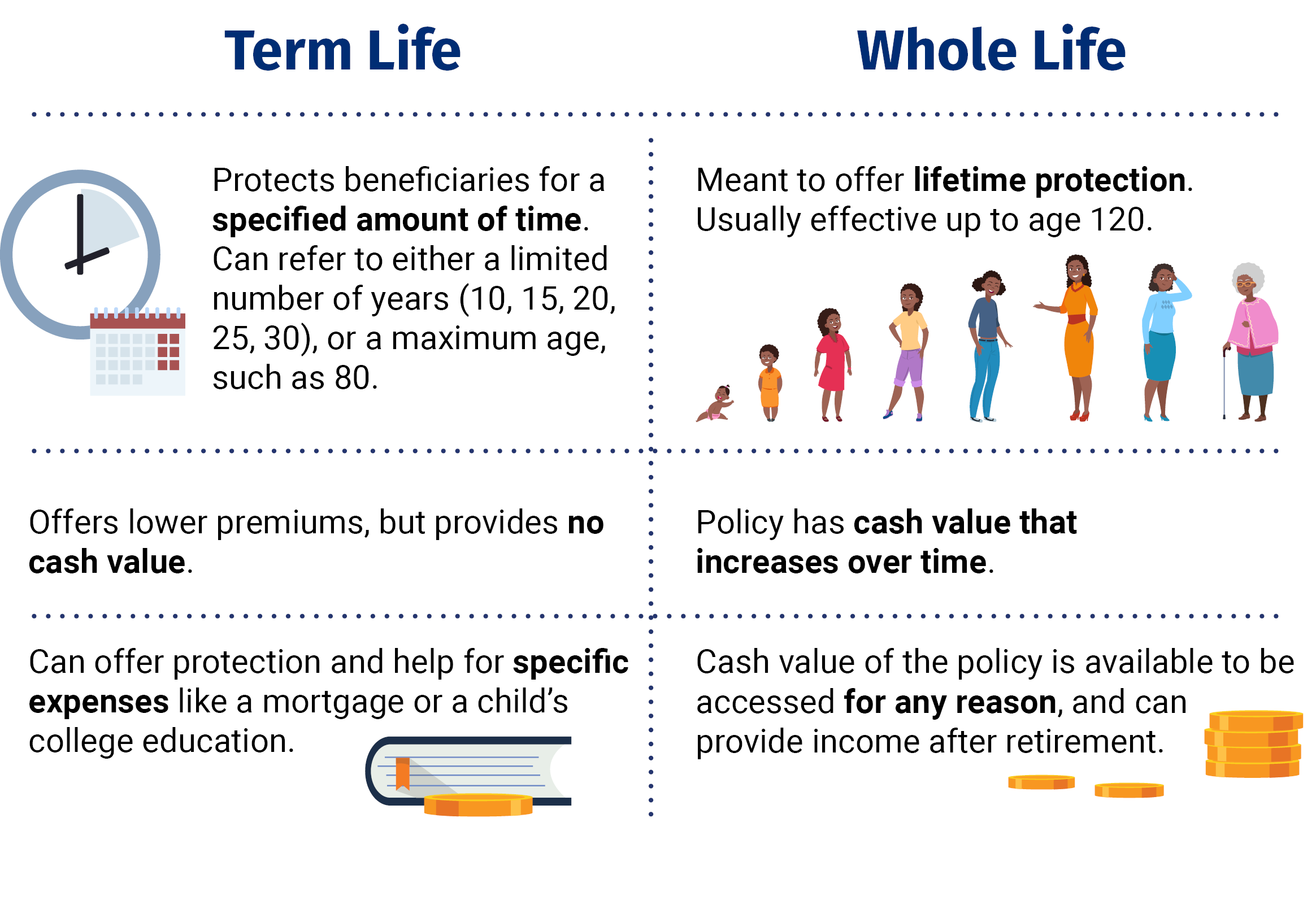
Whole life insurance covers you for your entire life. The policy does not expire as long as you pay the premiums. This means your family will receive a payout no matter when you pass away. It gives peace of mind knowing protection never ends.
Cash Value Growth
A portion of your premium builds cash value over time. This cash value grows slowly and steadily with interest. You can borrow against it or use it while you live. It acts like a savings account within your policy. This makes whole life insurance a tool for long-term financial help.
Fixed Premiums
Whole life insurance premiums stay the same for life. Your monthly or yearly payments will not increase as you get older. This makes budgeting easier and avoids surprises. Fixed premiums offer stability and predictability for your financial planning.
Factors Influencing Timing
Choosing the right time for whole life insurance depends on several important factors. These factors help you decide when the coverage fits your needs and budget best.
Understanding these key points will guide you to make a smart decision. Timing can affect your premiums, benefits, and peace of mind.
Age And Health
Age plays a big role in insurance costs. Younger people pay lower premiums. Health status matters too. Good health means better rates. Delaying coverage could raise costs or limit options.
Financial Stability
Stable income helps afford regular premium payments. Whole life insurance requires long-term commitment. Budgeting for it early avoids financial strain. Insurance protects your future, but it needs steady finances.
Family Needs
Family size and responsibilities influence timing. If you have dependents, coverage offers financial security. Consider your spouse, children, or elderly parents. Insurance can provide support if something happens to you.
Best Age To Buy Whole Life Insurance
Choosing the best age to buy whole life insurance affects costs and benefits. Age impacts premiums, cash value growth, and coverage length. Understanding different life stages helps make smart decisions. Each age group has unique advantages and considerations.
Early Adulthood Advantages
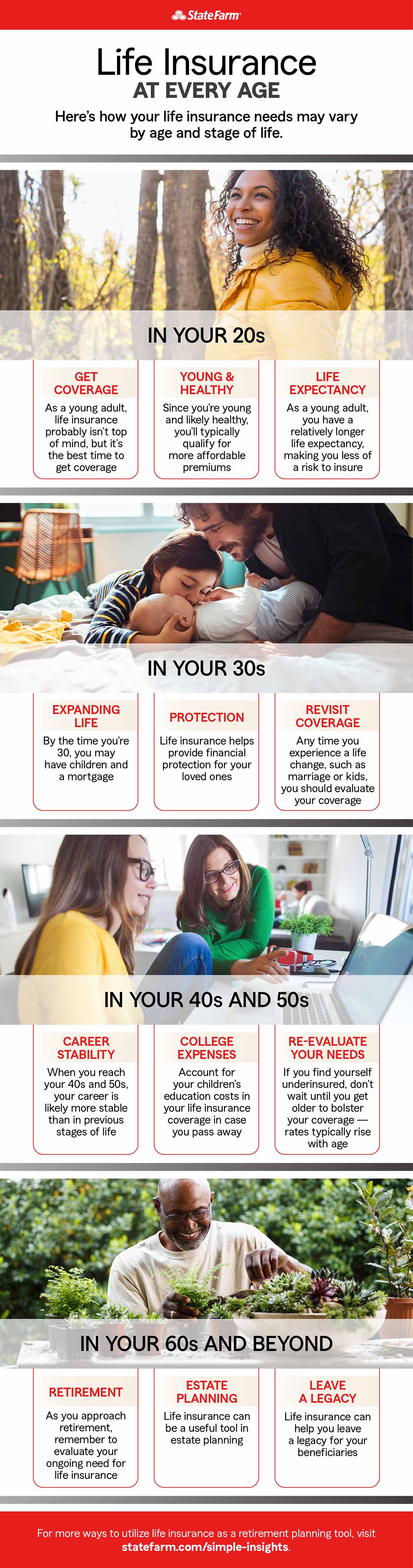
Buying whole life insurance in early adulthood usually means lower premiums. Young adults are healthier, so insurers offer better rates. The cash value grows longer, building more savings over time. Starting early locks in coverage for life. It provides financial protection for unexpected events. This age is ideal for long-term planning and peace of mind.
Middle Age Considerations
Middle age often brings more financial responsibility. Whole life insurance can protect a growing family or mortgage. Premiums rise but remain manageable with good health. The cash value continues to grow, helping with loans or emergencies. Some may choose to increase coverage or add riders. This age balances protection needs with budget limits.
Later Life Options
Buying whole life insurance later in life costs more. Health issues may limit approval or increase premiums. Coverage still provides a death benefit for final expenses. It can help leave a legacy or cover debts. Some policies offer simplified issue or guaranteed acceptance. Later life buyers should compare options carefully.
Impact Of Health On Premiums
Health plays a big role in the cost of whole life insurance. Insurers check your health to decide your premium. Better health usually means lower costs. Poor health or risky habits can raise your premium. Understanding this impact helps you choose the best time to buy.
Medical Exams And Underwriting
Insurance companies often require a medical exam. They check your blood pressure, cholesterol, and other health markers. Underwriting reviews your medical history and exam results. This process helps set your premium based on risk. A clean bill of health can lower your costs.
Chronic Conditions
Chronic illnesses like diabetes or heart disease affect premiums. These conditions increase the insurer’s risk. As a result, premiums tend to be higher. Managing your condition well might improve your rates. Early application before diagnosis can save money.
Lifestyle Habits
Habits such as smoking or heavy drinking raise premiums. Insurers see these as high-risk behaviors. Regular exercise and a healthy diet can lower your premium. Disclosing all habits honestly is important. Healthy habits at application time help reduce costs.
Financial Goals And Insurance Timing
Financial goals shape the best timing for whole life insurance. Different goals need different approaches. Knowing your aims helps pick the right moment to buy a policy. Whole life insurance is more than just protection. It can support your money plans over time.
Wealth Building
Whole life insurance can help grow your money safely. The policy builds cash value with each premium payment. Starting early means more time for growth. This cash can be used for emergencies or investments. It acts like a savings tool with added protection.
Estate Planning
Whole life insurance helps pass wealth to heirs. It provides money to cover estate taxes and fees. Buying a policy early locks in lower premiums. The death benefit ensures your family gets financial support. This planning reduces stress for loved ones after loss.
Debt Protection
Whole life insurance can cover debts when you pass away. It protects your family from financial burden. The policy pays off loans and mortgages. Getting insured early means premiums stay affordable. This gives peace of mind about your family’s future.
Comparing Whole Life With Other Policies
Choosing the right life insurance policy is important. Whole life insurance is one option. Understanding how it compares to other policies helps you decide.
Whole life insurance offers lifelong coverage and builds cash value. Other policies work differently and may suit different needs. Let’s explore how whole life compares to term life, universal life, and hybrid policies.
Term Life Insurance
Term life insurance covers you for a set time, like 10 or 20 years. It pays a benefit if you die during that term. It has no cash value and is usually cheaper than whole life.
Term is good for short-term needs, such as paying off a mortgage or covering children’s education. It does not last your whole life. After the term ends, you may need a new policy at higher rates.
Universal Life Insurance
Universal life insurance is flexible. You can adjust your premium and death benefit. It also builds cash value, but interest rates vary.
This policy combines protection and savings. It can be more complex and requires attention to keep it funded. Universal life may cost less than whole life at first but could change over time.
Hybrid Policies
Hybrid policies mix life insurance with other benefits. For example, some include long-term care coverage. They offer extra protection beyond death benefits.
These policies can be more expensive but provide more options. They suit people who want added features in one plan. Hybrid plans vary widely, so review details carefully.
Tips For Choosing The Right Policy
Choosing the right whole life insurance policy requires careful thought. It involves more than picking the cheapest plan. This section offers tips to help select a policy that fits your needs and budget. Understanding these points can save money and avoid future problems.
Assessing Coverage Needs
Start by figuring out how much coverage you need. Think about your family’s future expenses. Include debts, education costs, and daily living expenses. Coverage should protect your loved ones if you are not around. Avoid too little or too much coverage. Both can cause trouble later.
Working With An Advisor
Find a trusted insurance advisor. They explain complex terms in simple language. Advisors compare different policies for you. They know what questions to ask. Choose someone who listens to your needs. An advisor helps you avoid costly mistakes.
Reviewing Policy Riders
Look at extra benefits called riders. Riders can add value to your policy. Common riders include disability or critical illness coverage. Make sure riders match your personal situation. They may increase the premium but offer extra protection. Understand each rider before adding it.
Credit: sfgmedicare.com
Common Mistakes To Avoid
Choosing the right time to get whole life insurance can be tricky. Many people make mistakes that cost them money or coverage later. Avoiding these common errors helps you get the best value and protection from your policy.
Waiting Too Long
Delaying your purchase often raises your premium. Insurance costs more as you age or face health issues. Buying earlier locks in lower rates and better terms. Waiting can also reduce the years your policy builds cash value.
Overestimating Coverage
Some buy more insurance than needed. This leads to paying high premiums unnecessarily. Calculate your real needs like debts, family expenses, and future goals. Choose coverage that fits your budget and protects what matters most.
Ignoring Policy Flexibility
Whole life policies differ in flexibility. Some allow changes in premiums or death benefits. Others do not. Check if the policy lets you adjust coverage as life changes. Flexible policies better suit your long-term needs and financial plans.
Credit: newsroom.statefarm.com
Frequently Asked Questions
When Is The Best Age To Buy Whole Life Insurance?
The best age to buy whole life insurance is usually in your 20s or 30s. Premiums are lower, and you lock in coverage early. Younger buyers benefit from longer cash value growth and guaranteed insurability. Early purchase maximizes policy value over time.
How Does Age Affect Whole Life Insurance Premiums?
Age directly impacts whole life insurance premiums. Younger applicants pay lower premiums because they pose less risk. As you age, premiums increase due to higher health risks. Buying early ensures more affordable premiums and stable costs throughout your life.
Can I Buy Whole Life Insurance After 50?
Yes, you can buy whole life insurance after 50, but premiums will be higher. Older buyers may face more health questions or exclusions. It’s best to purchase as early as possible to secure lower rates and build cash value longer.
Why Is Early Purchase Beneficial For Whole Life Insurance?
Early purchase benefits include lower premiums, more cash value growth, and lifetime coverage. Starting young helps you build savings within the policy. It also guarantees insurability and stable costs, making whole life insurance a smart long-term financial tool.
Conclusion
Choosing the best time to get whole life insurance matters a lot. Younger age often means lower premiums and better benefits. Health also plays a big role in your options and costs. Planning early helps protect your family and build cash value over time.
Don’t wait for problems to arise. Start thinking about your needs today. This way, you secure peace of mind for tomorrow. Whole life insurance works best when you act sooner, not later. Simple steps now can save money and stress later on.