
Life insurance often appears unnecessary for people who don’t have dependents. If no one relies on your income, why pay for coverage? The answer is more complex than it seems. Life insurance has benefits beyond supporting a spouse or children.
It can protect your assets, support your legacy, and offer peace of mind—no matter your family situation. Many individuals without dependents overlook these advantages and miss out on important financial protection. This article explores why life insurance is important even if you don’t have dependents, with practical examples, key facts, and expert insights.

Understanding Life Insurance Basics
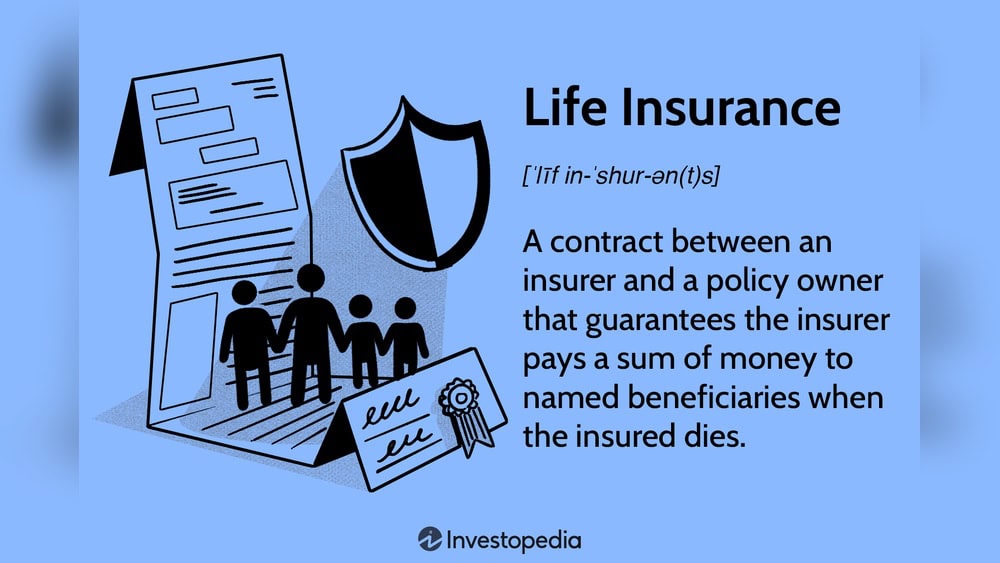
Life insurance is a contract. You pay premiums, and the insurer promises to pay a death benefit to your beneficiary when you die. Most people think of life insurance as a way to replace lost income for a family. However, its purpose goes far beyond this.
There are two main types:
- Term life insurance: Lasts for a set period (10, 20, or 30 years). Usually less expensive.
- Permanent life insurance: Includes whole life and universal life. Offers lifelong coverage and builds cash value.
Even if you don’t have dependents, both types can serve unique roles in your financial plan.
Protecting Your Financial Obligations
Many adults have financial obligations that don’t disappear when they die. These can affect others even if you have no dependents.
Covering Personal Debts
If you pass away with outstanding debts, creditors may claim your assets. For example, if you have:
- Private student loans: Some are not forgiven at death.
- Credit card debt
- Personal loans
These debts can create headaches for co-signers or heirs. Life insurance can ensure your debts are paid off, protecting anyone who shares financial responsibility.
Estate Expenses
When you die, your estate may face costs:
- Legal fees
- Probate costs
- Unpaid medical bills
- Taxes
A life insurance policy can cover these, so your estate passes smoothly to heirs or chosen charities.
| Expense Type | Average Cost (US) | Life Insurance Use |
|---|---|---|
| Probate Fees | $3,000–$7,000 | Pays court/legal costs |
| Medical Bills | $5,000–$10,000 | Settles hospital debts |
| Funeral Costs | $7,000–$10,000 | Covers burial/cremation |

Credit: sswp.lpl.com
Supporting Loved Ones Indirectly
Even if you don’t have a spouse or children, others may feel an impact from your death.
Parents And Siblings
Many people help their parents or siblings with financial support. If you regularly assist with bills, medical costs, or education, your absence could hurt them. Life insurance lets you leave funds for their needs.
Co-signers And Business Partners
If you co-signed a loan or share a business, your death can leave partners exposed. A life insurance policy can provide funds to cover shared debts or buy out your share in a business.
Leaving A Legacy
Life insurance allows you to create a legacy, even if you have no direct dependents.
Charitable Giving
You can name a charity as your beneficiary. This lets you support a cause you care about, even after you’re gone. For example, a $50,000 policy can fund scholarships, medical research, or animal shelters.
Supporting Friends
Some people choose friends as beneficiaries. If a close friend would struggle with costs after your death, life insurance can provide help.
Estate Planning
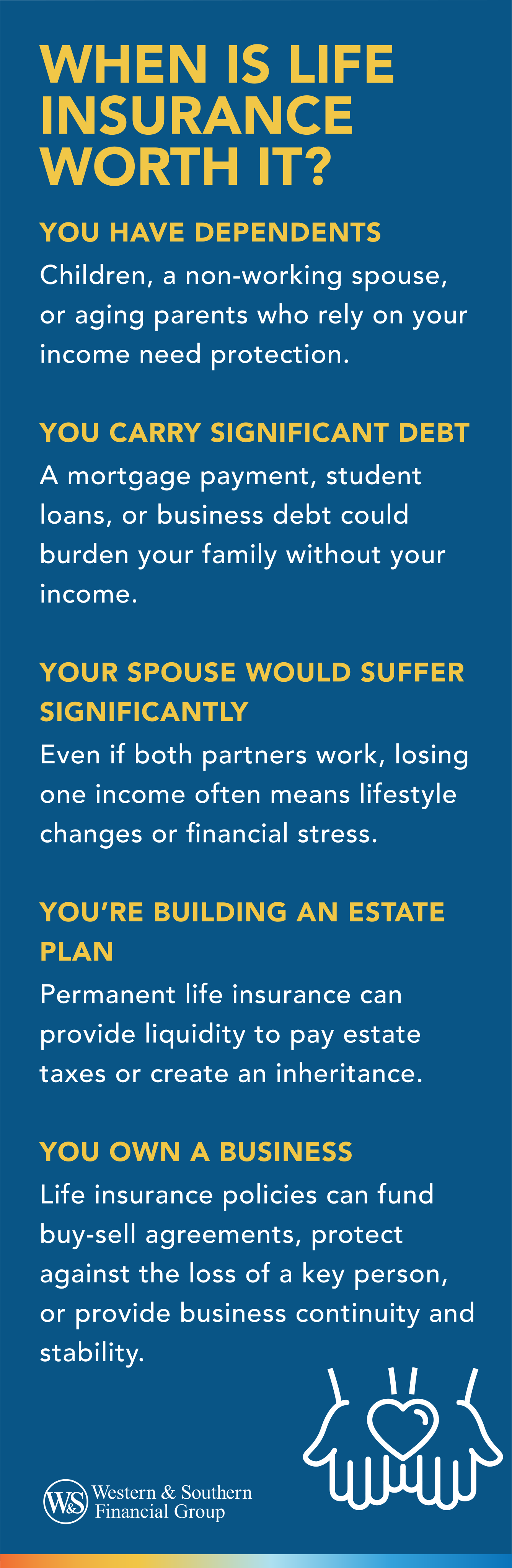
Life insurance can simplify estate planning. It provides liquidity—cash that’s available quickly. This helps your executor handle expenses or distribute assets according to your wishes.
| Legacy Option | How Life Insurance Helps |
|---|---|
| Charity | Direct donation upon death |
| Friends | Financial support for close companions |
| Estate Executor | Funds available for asset distribution |
Credit: www.westernsouthern.com
Planning For Final Expenses
Funerals and burials are expensive. The average funeral in the US costs $9,000. Without life insurance, your estate or family must cover these costs. This may create stress or force the sale of assets.
Practical Example
Imagine you have no dependents, but you want a simple cremation. The cost is around $4,000. A small life insurance policy can cover this, ensuring your wishes are respected and expenses paid without burden.
Benefits For Younger And Healthy Individuals
Many people believe they can skip life insurance until later. But buying early has clear advantages.
Lower Premiums
Premiums are much lower when you are young and healthy. For example, a 30-year-old can buy a $100,000 term policy for less than $15/month.
Locking In Coverage
Health changes can make you uninsurable. Buying now locks in coverage, even if your health declines later.
Cash Value Growth
Permanent life insurance builds cash value over time. If you start early, you can use this for emergencies, retirement, or investing.
| Age | Term Policy Premium (per month) | Permanent Policy Premium (per month) |
|---|---|---|
| 30 | $15 | $100 |
| 40 | $25 | $150 |
| 50 | $40 | $220 |
Addressing Common Misconceptions
Many single, childless adults believe life insurance is unnecessary. Here are two non-obvious insights:
- Employer life insurance is often not enough. Most workplace plans offer only 1–2 times your salary. This may not cover debts or final expenses.
- Life insurance can protect your privacy. Death benefits usually pass outside of probate, so your payout goes directly to your beneficiary. This avoids delays and public records.
Another overlooked point: If you plan to marry or have children in the future, buying now secures better rates. Waiting can mean higher costs or denied coverage.
Practical Factors To Consider
Before buying life insurance, consider these:
- Amount needed: Estimate debts, funeral costs, and any gifts you want to leave.
- Policy type: Decide between term (low cost, temporary) and permanent (higher cost, lifelong, cash value).
- Beneficiary choice: Think about who you want to benefit—family, friends, charity, or your estate.
- Health and age: Younger, healthier applicants get better rates.
If your assets can cover all debts and expenses, you may not need much coverage. But most people find a small policy brings peace of mind.
Credit: www.beshak.org
Common Mistakes For Individuals Without Dependents
People often make these errors:
- Ignoring future needs: Circumstances change. You may marry or support aging parents later.
- Relying only on employer coverage: Workplace policies end if you leave your job. Having a personal policy provides security.
- Forgetting about final expenses: Even without dependents, someone must pay for your funeral and settle your estate.
- Not considering co-signers: Your death can leave friends or family responsible for joint debts.
Avoiding these mistakes ensures your financial plan stays strong.
Real-world Examples
Let’s look at two cases:
- Case 1: Alex, age 35, single, no kids. He owns a condo with a mortgage co-signed by his parents. Alex buys a $100,000 term policy. If he dies, the policy pays off the mortgage, protecting his parents from debt.
- Case 2: Jordan, age 40, no dependents, supports a charity. Jordan names the charity as beneficiary on a $50,000 policy. The charity receives the funds, creating a lasting impact.
These examples show how life insurance can support others and create positive outcomes, even without dependents.
How To Choose The Right Policy
Making the best choice involves careful planning:
- Review your debts: Add up loans, credit cards, and mortgages.
- Estimate estate expenses: Consider legal fees, taxes, and funeral costs.
- Set your goals: Decide if you want to leave a legacy or support someone.
- Compare policy types: Term is ideal for covering specific needs; permanent is better for long-term planning and cash value growth.
If you are unsure, talk to a financial advisor. They can help you match your needs with the right policy. For more details, see National Association of Insurance Commissioners.
Frequently Asked Questions
What Happens To My Life Insurance If I Have No Dependents?
Your beneficiary receives the payout. You can name anyone, including friends, charities, or your estate.
Can Life Insurance Cover My Funeral Costs?
Yes. You can buy a policy sized to cover final expenses like funeral, burial, and medical bills.
Is It Possible To Change My Beneficiary Later?
Most policies let you change your beneficiary at any time. This is useful if your situation changes or you want to support someone new.
Do I Need Life Insurance If I Have No Debts?
If you have no debts and enough assets to cover final expenses, you may not need much coverage. But life insurance can still help with estate costs or leave a legacy.
What Is The Difference Between Term And Permanent Life Insurance?
Term life insurance lasts for a set period and is cheaper. Permanent life insurance lasts your whole life and builds cash value, but costs more.
Life insurance is not just for people with dependents. It protects your assets, supports your loved ones, and helps you plan your legacy. Even if your situation changes, having coverage brings peace of mind and financial security. By understanding your needs and choosing the right policy, you can make smart decisions that benefit you and those you care about—now and in the future.