
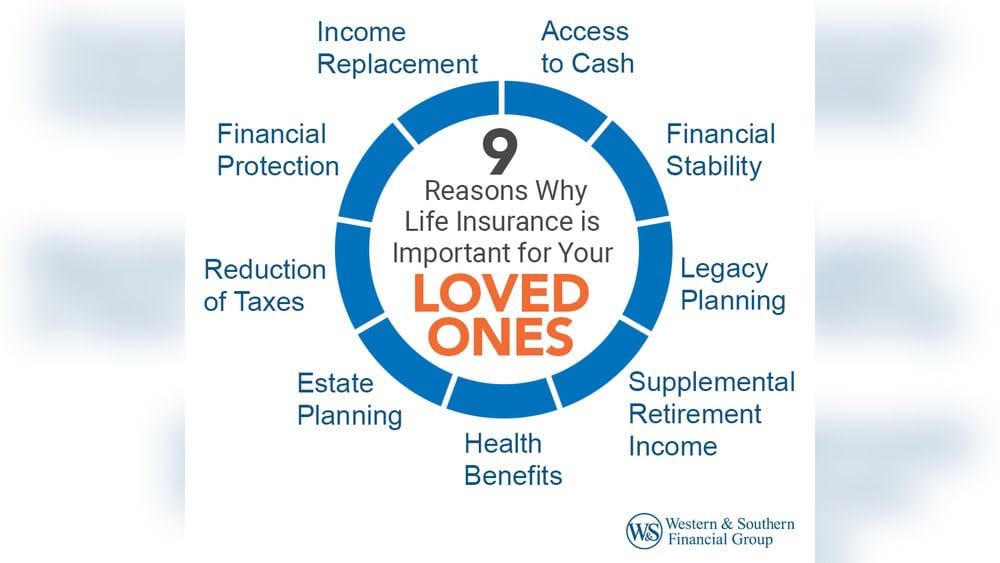
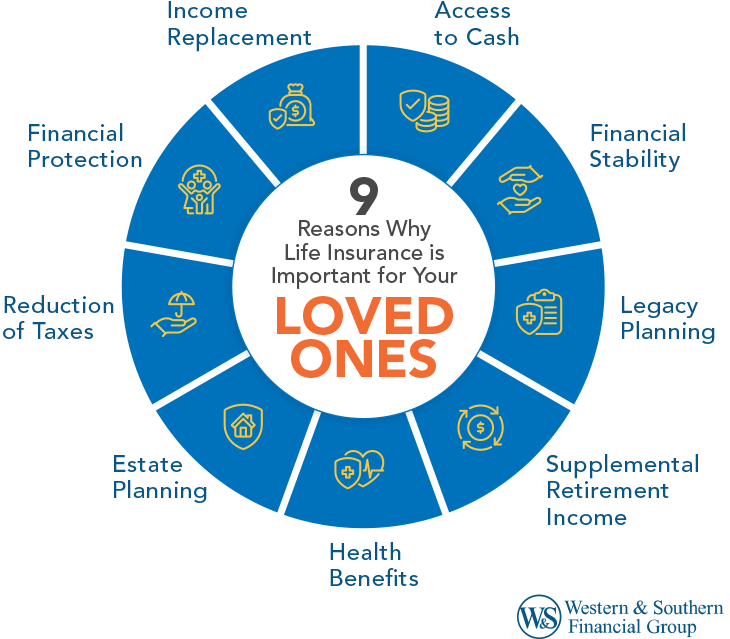
Life can change in a moment. A sudden accident, illness, or unexpected event can create a wave of financial stress for any family. While most people focus on earning and saving, there’s another crucial part of a secure future: life insurance. Many overlook it, thinking it’s only for older people or those with big families. But in reality, life insurance is a key part of smart financial planning for nearly everyone. It protects loved ones, offers peace of mind, and can even help grow your wealth. Let’s explore why life insurance is so important—and how it can shape your financial future.
The Core Purpose Of Life Insurance
Life insurance is a contract between you and an insurance company. In exchange for regular payments (called premiums), the insurer promises to pay a lump sum (the death benefit) to your chosen people (beneficiaries) if you pass away while the policy is active.

The main goal is to protect your dependents. If you are the main earner, your sudden death could leave your family without enough money for daily expenses, debts, or future plans like college. Even if you’re not the main earner, life insurance can help cover funeral costs, unpaid bills, or give your family time to adjust.
But life insurance isn’t only about death. Some policies build cash value over time, which you can use while you’re alive. This makes life insurance a flexible tool—not just a safety net.
How Life Insurance Fits Into Financial Planning
Financial planning is about preparing for the future, handling risks, and building wealth. Life insurance connects to each of these goals:
Protecting Income And Lifestyle
If you suddenly can’t provide for your family, their standard of living could drop sharply. Life insurance acts as a financial shield. It replaces lost income, pays off debts, and ensures your loved ones can maintain their lifestyle.
Imagine a family where one parent earns $70,000 per year. If that parent dies, their family could lose that income overnight. A life insurance policy can fill that gap, giving the family time to adjust and plan for the future.
Covering Debts And Obligations
Most people have debts—mortgages, car loans, student loans, or credit cards. When you pass away, these debts don’t always disappear. Sometimes, your spouse or co-signers must pay them.
Life insurance can clear these debts, so your family isn’t left with burdens. For example, if you owe $200,000 on a home, a life policy of at least that amount can protect your family’s home.
Funding Future Goals
Life insurance can help pay for long-term goals like your children’s education or a spouse’s retirement. With enough coverage, your family can keep their plans, even without your income.
Some policies, such as whole life or universal life, also build cash value. This money can be borrowed against or withdrawn for emergencies, college fees, or business opportunities.
Peace Of Mind
Financial planning isn’t only about numbers; it’s also about feeling secure. Knowing your family will be taken care of, no matter what, brings peace of mind. This lets you focus on living fully and working toward your goals.
Types Of Life Insurance: Which One Fits Your Needs?
There are several types of life insurance. Each one fits different goals and budgets. Here’s a quick comparison:
| Type of Policy | Duration | Has Cash Value? | Typical Use |
|---|---|---|---|
| Term Life | 10–30 years | No | Income replacement, debt coverage |
| Whole Life | Lifetime | Yes | Lifetime protection, wealth building |
| Universal Life | Flexible | Yes | Flexible premiums, cash value growth |
- Term life insurance is often the cheapest. It’s good for most young families or people who only need coverage for a set time (like until the kids are grown).
- Whole life insurance lasts your entire life and builds cash value you can use.
- Universal life insurance is more flexible but requires careful management.
The Cost Of Life Insurance: Is It Affordable?
Many skip life insurance because they think it’s expensive. In reality, most healthy people can get term coverage for less than the price of a daily coffee. Here’s an example of what a $500,000, 20-year term policy might cost per month for a non-smoking male:
| Age | Monthly Premium |
|---|---|
| 25 | $22 |
| 35 | $27 |
| 45 | $60 |
As you can see, buying earlier saves you money. Your age and health are big factors. Waiting too long or developing health problems will raise your costs—or you might even be denied coverage.
Common Myths About Life Insurance
Many people have the wrong idea about life insurance. Here are some common myths:
1. “i’m Young And Healthy. I Don’t Need It.”
Life can be unpredictable. Getting insurance when you’re young locks in low rates and ensures you’re covered before any health issues appear.
2. “i Have Coverage At Work. That’s Enough.”
Workplace policies are often small (1–2 times your salary) and may end if you leave your job. Personal coverage is portable and usually larger.
3. “i Don’t Have Kids, So I Don’t Need It.”
Even without children, your spouse, parents, or business partners could depend on you financially. Life insurance can also cover funeral costs or unpaid debts.
4. “it’s Too Expensive.”
Term policies are often very affordable, especially if you’re healthy and under 40.
How Much Life Insurance Do You Need?
The right amount depends on your goals, debts, and dependents. Here’s a simple way to estimate:
- Add your annual income x number of years you want to support your family.
- Add all debts (mortgage, loans, credit cards).
- Add costs for future plans (children’s education, spouse’s retirement).
- Subtract current savings and other insurance.
For example:
- $60,000 income x 10 years = $600,000
- $200,000 mortgage + $30,000 car loan = $230,000
- $100,000 for college
- $150,000 in savings
Total needed: $600,000 + $230,000 + $100,000 – $150,000 = $780,000 coverage
Online calculators and a conversation with a financial advisor can help fine-tune this number.

Life Insurance As A Wealth-building Tool
Beyond protection, some life insurance policies help grow your money. Whole and universal life insurance have a cash value feature. Part of your premium goes into a savings account, which grows over time.
This cash value can be:
- Borrowed for emergencies, education, or business needs (loans are tax-free but must be repaid)
- Withdrawn in some cases
- Used to pay premiums later in life
This makes permanent life insurance a unique mix of protection and investment. However, fees can be high, and returns are often lower than other investments. It’s best for people who want a guaranteed benefit and value the extra features.
Estate Planning And Life Insurance
Life insurance is also a key tool in estate planning. When you die, your assets may go through a legal process called probate, which can take months. Life insurance payouts usually skip probate, so your family gets the money fast.
Some families use life insurance to pay estate taxes or leave a legacy to charities. Business owners often use it to protect their company or fund a buy-sell agreement.

Comparing Life Insurance To Other Financial Tools
It’s helpful to see how life insurance compares to other common financial tools:
| Tool | Main Purpose | Provides Death Benefit? | Grows Wealth? |
|---|---|---|---|
| Life Insurance | Protection, sometimes savings | Yes | Some policies |
| Retirement Account (401k/IRA) | Retirement savings | No | Yes |
| Emergency Fund | Short-term safety | No | No |
Life insurance is not a replacement for retirement or emergency savings, but it fills a different need: protecting your loved ones from financial loss.
Practical Tips For Choosing Life Insurance
Picking the right policy can feel confusing. Here are some helpful steps:
- Assess your needs: Who depends on you? What debts do you have? What are your long-term plans?
- Review your budget: Only buy what you can afford. It’s better to have some coverage than none.
- Compare policies: Get quotes from several insurers. Look at term length, premium cost, and features.
- Check company reliability: Choose an insurer with a strong financial rating.
- Understand the fine print: Some policies have rules about when they pay out or require medical exams.
A non-obvious tip: Don’t forget to review your policy every few years. Life changes—marriage, kids, new job—may mean you need more or less coverage.
Another overlooked point: Update your beneficiaries if life changes. If you get married, divorced, or have a child, make sure your policy reflects this. Otherwise, money could go to the wrong person.
For more detailed guidance, organizations like the National Association of Insurance Commissioners offer trustworthy resources.
Frequently Asked Questions
What Is The Difference Between Term And Whole Life Insurance?
Term life insurance covers you for a set number of years and pays out only if you die during that period. It’s usually cheaper and best for income replacement. Whole life insurance lasts your whole life, costs more, and builds cash value you can use for loans or withdrawals.
Can I Have More Than One Life Insurance Policy?
Yes, you can own multiple policies. Some people combine a work policy with a personal one, or add a second term policy as needs change. Just make sure the total coverage fits your goals and budget.
What Happens If I Outlive My Term Life Insurance?
If you’re alive when your term ends, the policy simply expires and you get nothing back. Some policies offer renewal or conversion to permanent insurance, but premiums will be higher based on your age at that time.
Is A Medical Exam Always Required?
Not always. Many companies offer “no-exam” policies, especially for lower coverage amounts. However, these can be more expensive. Higher coverage usually requires a medical check to get the best rates.
Who Should Be My Beneficiary?
You can choose anyone: your spouse, children, parents, or even a charity. Most people pick their closest family. Make sure your choice is up-to-date and reflects your wishes, especially after big life events.
Securing life insurance is one of the smartest steps you can take in your financial journey. It’s not just about protecting against the worst—it’s about building a future where your loved ones have options, security, and peace of mind. The right policy, chosen carefully and reviewed as life changes, is a foundation for any solid financial plan.