
When you buy a whole life insurance policy, you’re making a long-term commitment. Over time, your policy builds cash value—money you can access while you’re still alive. But knowing *when* to cash out your whole life insurance is a big decision. The timing can impact your financial goals, your family’s security, and even your taxes. If you’re thinking about cashing out, it’s important to understand what’s at stake and how to make the best choice for your situation.
How Whole Life Insurance Cash Value Works
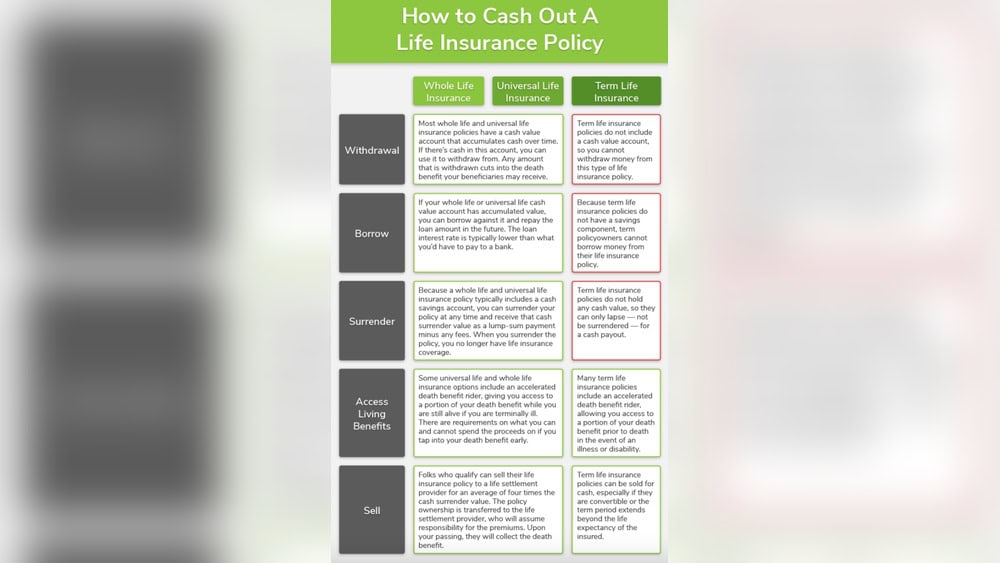
Whole life insurance is more than just a death benefit. Each time you pay your premium, a part of it goes into a cash value account. This money grows tax-deferred and can be used in several ways:

- Borrow against it (policy loan)
- Withdraw cash directly
- Surrender the policy for its cash value
The cash value typically grows slowly in the early years, then faster as the policy matures. By year 10, many policies have built up a meaningful amount. But cashing out too early can mean giving up a lot of value.
Here’s a simple illustration of cash value growth:
| Policy Year | Typical Cash Value |
|---|---|
| Year 1 | $0 – $500 |
| Year 5 | $2,000 – $5,000 |
| Year 10 | $10,000 – $15,000 |
| Year 20 | $30,000 – $50,000 |
*Values shown above are for a typical $100,000 policy but vary by company and policy type. *
Best Times To Cash Out A Whole Life Insurance Policy
There is no single “best” time for everyone. But you can make a smarter decision by considering your needs, policy age, and financial goals.
1. After Major Life Changes
If you no longer need the death benefit—for example, your children are grown, or you have enough savings—cashing out may make sense. You might use the money for retirement, paying off debt, or funding a new goal.
2. When The Cash Value Has Grown Substantially
Cashing out after 10–20 years usually means the cash value has had time to grow. If you cash out in the early years, you may get little back due to fees and slow growth.
3. When You Need Emergency Funds
If you face a major expense—like medical bills or a job loss—the cash value can provide a safety net. Unlike a loan or withdrawal, surrendering the policy gives you all the cash value but ends your coverage.
4. If You Find A Better Investment
Some people discover that other investments offer higher returns. If your policy’s growth is slow and you prefer more flexible options, cashing out and moving your money could be wise.
5. To Avoid Lapsing
If you can’t afford premiums, cashing out may be better than letting the policy lapse and lose all value. Some people use the cash value to pay premiums for a while instead of cashing out right away.
:max_bytes(150000):strip_icc()/cash-value-life-insurance.asp-final-642f8f39dafe49b9bed6310edb61d726.jpg)
Pros And Cons Of Cashing Out
Think carefully before you take money out of your policy. Here’s a quick comparison:
| Pros | Cons |
|---|---|
| Immediate access to cash | Loss of death benefit |
| No loan interest if you surrender | Possible taxes on gains |
| Can help in emergencies | Surrender fees may apply |
Key insight: Many people don’t realize that withdrawing too much or surrendering the policy could leave their loved ones unprotected. Be sure your family won’t need the death benefit before making a decision.
Tax Considerations When Cashing Out
The IRS treats the cash value in whole life insurance differently than other investments:
- Withdrawals up to your total premiums paid are generally not taxed.
- Gains above your total premiums are taxed as ordinary income.
- If you surrender the policy, you may get a tax bill if the surrender value is more than what you paid in.
Here’s a simple example:
| Total Premiums Paid | Cash Surrender Value | Taxable Amount |
|---|---|---|
| $20,000 | $25,000 | $5,000 |
Tip: Always check with a tax advisor before making a big move. Taxes can surprise you, especially if you’re not familiar with insurance rules.

Alternatives To Cashing Out
You don’t have to surrender your policy to access its value. Consider these options:
- Policy Loans: Borrow from your cash value, usually at a low interest rate. The loan doesn’t affect your credit, but unpaid loans reduce the death benefit.
- Withdrawals: Take out part of your cash value. This may reduce the death benefit and could be taxable if you withdraw more than you paid in.
- Reduced Paid-Up Insurance: Use your cash value to buy a smaller, fully paid-up policy. No more premiums, and you keep some coverage.
Non-obvious insight: Many people forget that a policy loan is not “free money.” If you don’t repay it, your beneficiaries get less when you die. Also, some policies charge high fees if you surrender early.
What To Ask Before Cashing Out
Before you decide, ask yourself:
- Do I still need life insurance for my family?
- How much will I actually receive after fees and taxes?
- Are there better ways to get cash from my policy?
- What will I lose if I cash out now?
- Have I talked with a financial advisor?
Taking time to answer these questions can prevent regrets later.

Frequently Asked Questions
What Happens If I Cash Out My Whole Life Insurance Early?
If you cash out in the first few years, surrender fees may take a big bite out of your cash value. You may also lose important coverage for your loved ones.
Will I Have To Pay Taxes If I Cash Out My Policy?
You pay taxes only on the amount above what you’ve paid in premiums. The rest is usually not taxed. Every situation is different, so check with a tax expert or visit the IRS Life Insurance FAQ for details.
Can I Get My Full Cash Value If I Surrender My Policy?
You usually get your cash surrender value, which is your cash value minus any fees or loans. Read your policy’s terms to understand exactly how much you’ll receive.
What Are The Risks Of Cashing Out?
The main risks are losing your death benefit, paying taxes on gains, and possibly paying surrender fees. If you cash out, you can’t reverse your decision later.
Are There Better Alternatives To Cashing Out?
Yes. You can take a loan, make a partial withdrawal, or use reduced paid-up insurance. These options let you access cash while keeping some insurance in place.
Making the right move with your whole life insurance cash value takes some thought. Don’t rush. Consider your needs, your family’s future, and all the costs before you decide. Sometimes the best time to cash out is when you’re sure it fits your life plan—not just your current situation.