
Life insurance is one of those topics most people delay thinking about. It doesn’t feel urgent—until suddenly, it is. Many wait until a big life event, or even worse, until health changes make coverage more expensive or impossible. But when is the best time to apply for life insurance?
Understanding the right moment can save you money, offer peace of mind, and protect your family before it’s too late.

This article explains the ideal moments for getting life insurance, why timing matters, and practical steps to make the smartest decision. Whether you’re young, starting a family, or approaching retirement, you’ll learn how your age, health, and life stage affect your options.
Why Timing Matters For Life Insurance
Many people think life insurance is only for older adults or those with dependents. But in reality, the best time to buy coverage is often much earlier. Timing impacts three critical factors:
- Cost of premiums: Younger, healthier people pay less.
- Approval chances: Health declines can make approval harder.
- Coverage length: The sooner you start, the longer your protection.
Applying at the wrong time can mean paying thousands more over your lifetime. In some cases, you might not qualify at all.
The Ideal Age To Apply
Life Insurance Costs And Age
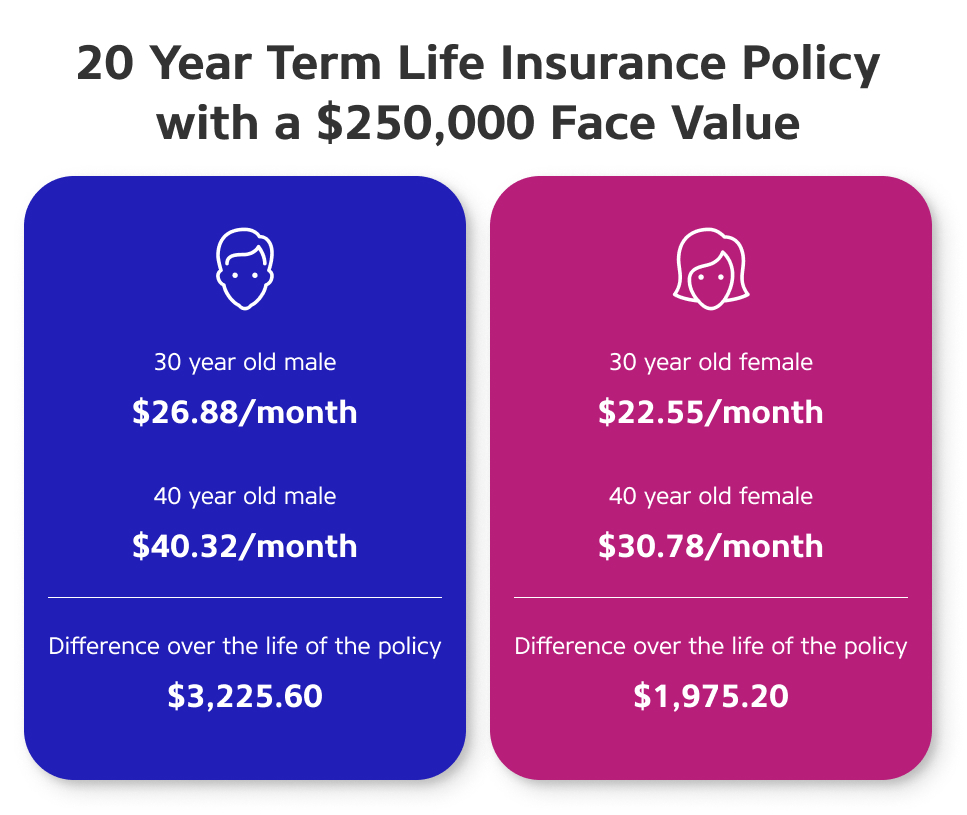
Life insurance premiums are based on age and health. The younger you are, the lower your risk in the eyes of insurance companies. Here’s a look at how average monthly premiums change with age for a $500,000, 20-year term policy (non-smoker, good health):
| Age | Monthly Premium |
|---|---|
| 25 | $25 |
| 35 | $30 |
| 45 | $60 |
| 55 | $150 |
As you can see, waiting just 10 years can double your cost. By age 55, premiums are six times higher than at 25.
Why Younger Is Almost Always Better
- Lower premiums: Lock in a low rate for decades.
- Better health: Fewer medical issues mean higher approval chances.
- Longer coverage: Protect your family before risks increase.
Many experts recommend applying in your 20s or early 30s if you can. But if you missed that window, don’t worry—applying before age 40 still brings significant savings.

Credit: smartfinancial.com
Life Events That Signal It’s Time To Apply
Life insurance isn’t just about age. Major life changes often create the need for coverage. Here are the most common triggers:
1. Marriage Or Partnership
When you share finances or a home, your partner may depend on your income. Life insurance helps keep them secure.
2. Having Children
Kids mean new responsibilities. Insurance ensures their future is safe, even if you’re not there.
3. Buying A Home
A mortgage is a long-term debt. If something happens, insurance can help your family keep the house.
4. Starting A Business
Entrepreneurs often take on debts or have partners. Life insurance protects both your family and your business.
5. Caring For Aging Parents
If you help support parents, insurance can cover their needs if you’re gone.
Many people wait for these milestones. However, buying ahead of time, even before these events, can save money and avoid approval problems later.
Health Status: Don’t Wait For A “wake-up Call”
Some only think about life insurance after a health scare. Unfortunately, this is often too late. Insurance companies check your health during the application. Common issues like high blood pressure, diabetes, or even a family history of illness can increase your premiums or result in denial.
Example: The Cost Of Waiting
Imagine two friends, both age 35. One applies now, in good health. The other waits until after being diagnosed with high cholesterol at 40.
- At 35, healthy: $30/month.
- At 40, with high cholesterol: $50/month or more, or possibly declined.
Over a 20-year policy, that’s an extra $4,800, and worse, a risk of not getting coverage at all.
Non-obvious insight: Some companies let you “lock in” your health status. If you buy now and get sick later, your rates do not go up for the length of your policy.
Comparing Term And Permanent Life Insurance Timing
There are two main types of life insurance:
- Term life: Covers you for a set number of years (10, 20, or 30 years).
- Permanent life: Lasts your whole life and builds cash value.
The timing of your application can affect each type differently.
| Type | Best Time to Apply | Why |
|---|---|---|
| Term Life | Before major life events or age 40 | Lock in low rates for long-term protection |
| Permanent Life | Early, if you want cash value growth | More years = more cash value growth |
Non-obvious insight: If you plan to use a permanent policy for cash value or estate planning, starting young gives your investment more time to grow tax-deferred.
When To Wait (and When Not To)
Some situations make waiting reasonable, but most do not. Here are a few times when you might wait:
- Short-term debts only: If you have no dependents and no long-term obligations, you might wait.
- Major health changes expected: If you’re about to quit smoking or lose significant weight, waiting may lead to better rates. However, most insurers want proof you’ve kept the change for 1-2 years before lowering your rate.
- Employer coverage: If your employer offers a free policy, it’s a good start, but it often isn’t enough for most families.
Important: Life is unpredictable. If you wait, you risk becoming uninsurable due to illness or accidents.

Credit: www.johnhancock.com
Common Mistakes When Timing Your Application
1. Waiting For The “perfect Time”
Life rarely goes as planned. Waiting often means higher costs or losing the chance to qualify.
2. Relying Only On Work Insurance
Employer policies usually end if you change jobs and are often too small ($50,000–$100,000).
3. Ignoring Health
Even minor health changes can impact your approval or rates.
4. Underestimating Coverage Needs
Many buy just enough for funeral costs, not realizing their family needs much more for living expenses.
5. Not Reviewing Coverage After Big Life Changes
You might need more coverage after marriage, children, or buying a home.
How To Apply For Life Insurance At The Right Time
Taking action is easier than most people think. Here’s a straightforward process:
1. Decide Why You Need Coverage
Is It Income Replacement, Debt Protection, Or Leaving A Legacy?
2. Estimate How Much You Need
A common rule: 10–15 times your annual income. Adjust for debts, children, and other needs.
3. Compare Policy Types
Term is enough for most families; permanent is for lifelong needs or cash value.
4. Get Quotes Early
Shop around. Rates can differ by hundreds of dollars per year between companies.
5. Apply While Healthy
Don’t wait for a better time—start the process now.
6. Review Regularly
Check your policy after big life events to make sure it still fits.
Special Situations
Students Or Young Adults
You might think you don’t need insurance if you’re single with no dependents. But starting a policy in your early 20s locks in extremely low rates. If your health changes or you plan to have a family, you’ll be glad you started early.
Parents Of Young Children
This is one of the most critical times to apply. If you have a baby on the way or young children, apply as soon as possible. Delaying even a few years increases your risk and your cost.
Older Adults (50+)
It’s not too late, but your options may be more limited and expensive. Focus on final expense or guaranteed issue policies if traditional coverage is not available.
How Life Insurance Companies Assess Your Application
Insurance companies use several factors when deciding your rate:
- Age
- Medical history
- Family health history
- Lifestyle (smoking, hobbies)
- Occupation
Some policies require a medical exam, while others do not. “No-exam” policies are faster but more expensive, so applying while you’re healthy allows you to qualify for the best rates.
Credit: www.alfainsurance.com
Comparing “apply Now” Vs “wait” Scenarios
Here’s a real-world comparison for a 30-year-old considering a $500,000, 20-year term policy:
| Scenario | Apply Now | Wait 10 Years |
|---|---|---|
| Monthly Premium | $30 | $60 |
| Total Cost (20 Years) | $7,200 | $14,400 |
| Risk of Denial | Low | Higher (due to possible health changes) |
Applying earlier saves $7,200 over 20 years and lowers the risk of being denied.
The Bottom Line
The best time to apply for life insurance is as soon as you have someone who depends on your income or you have debts that would impact others if you’re gone. For most people, this means applying in their 20s or 30s, and definitely before age 40.
Waiting almost always means higher costs and more risk.
Don’t wait for a “perfect moment. ” Life is unpredictable. The security and peace of mind you get from life insurance is worth acting now, not later.
If you want to read more about how life insurance works or get further guidance, the National Association of Insurance Commissioners offers clear, unbiased information.
Frequently Asked Questions
How Much Life Insurance Do I Really Need?
Most people need 10–15 times their annual income, plus enough to cover debts and future expenses like college for children. If unsure, start with a basic policy, then adjust as your needs change.
Is It Ever Too Late To Get Life Insurance?
It’s rarely “too late,” but options shrink as you get older. After age 60, policies become much more expensive and harder to qualify for, but some companies offer final expense or guaranteed issue policies.
Can I Get Life Insurance With Health Problems?
Yes, but it may cost more. Some insurers offer “no-exam” or “guaranteed issue” policies for people with medical conditions. However, applying before health problems develop gives you the best rates and choices.
Does My Employer-provided Life Insurance Count?
Employer policies are a good start, but they are often not enough. They usually end if you leave your job. It’s smart to have your own policy that stays with you no matter where you work.
What Happens If I Wait To Apply?
If you wait, you risk higher premiums and possibly being denied if your health changes. Starting sooner locks in lower rates and gives you peace of mind for your family’s future.