
Have you ever wondered when life insurance actually works for you? It’s not just about having a policy—it’s about knowing the right time and situation when it truly makes a difference.
Understanding this can protect your loved ones and give you peace of mind. Keep reading, and you’ll discover exactly how life insurance steps in to support you when it matters most. Don’t miss out on this crucial knowledge that could change the way you think about your future.

:max_bytes(150000):strip_icc()/Life-Insurance-a8aee8e3024145a8b454ea19df030418.png)
Credit: www.investopedia.com
Life Insurance Basics
Understanding life insurance basics helps you see how it protects your family. Life insurance offers financial support when someone passes away. It replaces lost income and covers expenses. Knowing its key parts makes choosing the right plan easier.
Types Of Life Insurance
Two main types of life insurance exist: term and whole life. Term insurance covers a set number of years. It pays only if the insured dies during that time. Whole life insurance lasts a lifetime. It also builds cash value you can use later.
Term insurance is usually cheaper and simpler. Whole life costs more but adds savings features. Each type suits different needs and budgets.
How Life Insurance Works
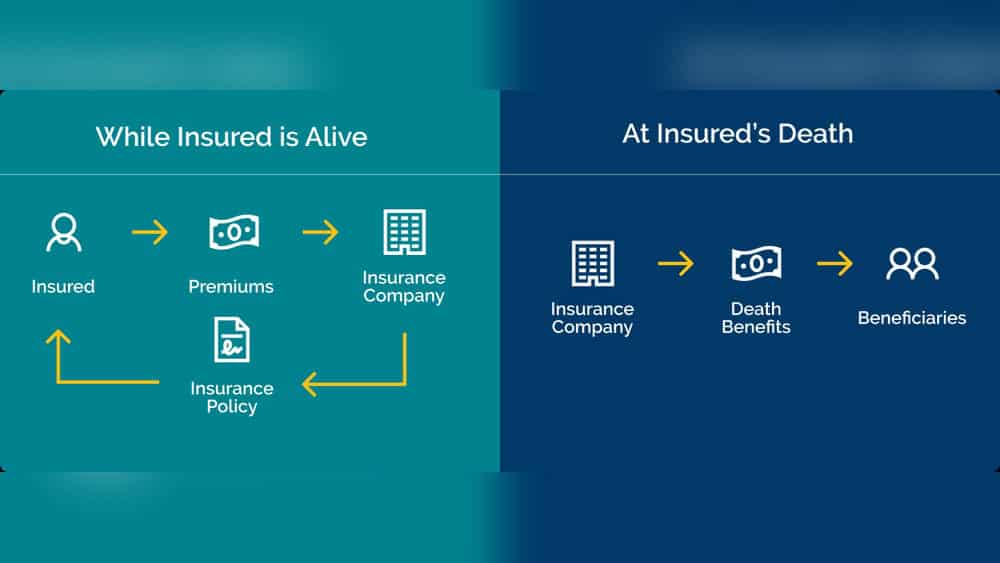
You pay regular premiums to keep your policy active. The insurance company promises to pay a death benefit. The benefit goes to your chosen beneficiaries. They use this money to cover bills, debts, or daily costs.
The policy stays in force as long as premiums are paid. Missing payments can cancel your coverage. The payout happens only after the insured person dies.
When Life Insurance Pays Out
Life insurance provides financial support to loved ones during tough times. It pays out under certain conditions. Knowing when it pays out helps you understand its true value.
The payout depends on the type of policy and the situation. Some payouts happen after death. Others may occur if you face serious illness.
Death Benefit Payout
The most common payout is the death benefit. This happens when the insured person dies. The insurance company then pays a lump sum to the beneficiaries.
Beneficiaries can use this money for bills, debts, or daily expenses. The payout helps keep families financially stable after loss.
Policies have specific rules about who gets the money. It is important to name beneficiaries clearly to avoid delays.
Terminal Illness Claims
Some policies pay out if the insured is diagnosed with a terminal illness. This means the illness has a limited time to live.
This payout helps cover medical bills and care costs. It can also provide peace of mind during difficult times.
Not all policies include terminal illness coverage. Check your policy details to know if this applies to you.
Key Moments To Use Life Insurance
Life insurance offers financial support during tough times. It helps protect families and loved ones when life changes suddenly. Knowing the key moments to use life insurance helps policyholders and beneficiaries get the most benefit.
After The Policyholder’s Death
The most common time life insurance works is after the policyholder dies. The death benefit pays money to the family. This money can cover funeral costs, debts, and daily expenses. It helps keep the household stable when income stops.
During Critical Illness Diagnosis
Some life insurance policies offer money if a critical illness is diagnosed. This can include heart attack, stroke, or cancer. The payout helps cover medical bills and treatment costs. It also supports living expenses during recovery.
In Case Of Disability
Life insurance can help if the policyholder becomes disabled. Certain policies provide benefits when disability stops the ability to work. This money helps replace lost income. It ensures bills and family needs are met despite the disability.
:max_bytes(150000):strip_icc()/life-insurance-policies-how-payouts-work.asp-final-8b7370a242df451d9caea293bc6eb300.png)
Credit: www.investopedia.com
Life Insurance For Financial Security
Life insurance plays a key role in providing financial security for you and your loved ones. It offers a safety net that supports families during difficult times. Life insurance helps cover expenses and protects the future of those who depend on you.
This protection goes beyond just money. It brings peace of mind knowing your family will be cared for if something happens to you.
Protecting Dependents
Life insurance ensures your dependents have financial support. It helps cover daily living costs like food, housing, and education. Without life insurance, your family may struggle to maintain their lifestyle. It gives your dependents a stable financial base to rely on.
Covering Debts And Expenses
Life insurance can pay off debts such as mortgages, car loans, and credit cards. It prevents your family from facing financial burdens alone. Also, it covers final expenses like funeral costs. This support keeps your family from falling into debt during tough times.
Funding Future Goals
Life insurance helps fund important future goals. It can support your children’s education or help your spouse retire comfortably. This financial help secures long-term plans even without your income. Your family can pursue their dreams with less worry.
Common Life Insurance Triggers
Life insurance works best during specific life events. These events make having coverage very important. They are called life insurance triggers. Understanding these triggers helps you see when life insurance matters most.
Each trigger affects your life and finances differently. Knowing these can help you plan your coverage better. Here are some common triggers that activate the need for life insurance.
Accidental Death
Accidental death is a sudden and unexpected event. It can leave families without financial support. Life insurance pays out quickly in these cases. This helps cover bills, debts, and living costs. Having insurance before such an event protects your loved ones.
Chronic Illness
A chronic illness lasts for a long time. It can reduce your ability to work and earn money. Life insurance may provide funds to cover medical care. It also helps with daily living expenses. This support eases stress during tough health times.
Job Loss Or Income Change
Losing a job or a big income change impacts your budget. Life insurance can help keep your family safe financially. It ensures bills are paid even with less income. This protection gives peace of mind during uncertain times.
When Life Insurance Might Not Work
Life insurance can provide financial help to your loved ones. Yet, it may not always work as expected. Certain situations can prevent the policy from paying out the benefits. Knowing these can save you from surprises later.
Policy Exclusions
Policies do not cover every situation. Some events are excluded. For example, deaths caused by risky activities may not be covered. Suicide within a certain time frame often is excluded too. Read your policy carefully to understand what is not covered.
Missed Premium Payments
Keeping up with premium payments is crucial. Missing payments can cause the policy to lapse. If the policy lapses, you lose coverage. Some policies offer a grace period, but it is short. Always pay premiums on time to keep your insurance active.
Fraudulent Claims
Making false claims can lead to denial of benefits. Insurance companies check claims carefully. Providing wrong information can cancel your policy. Always be honest when applying and filing claims. Fraud can have serious legal consequences.
Maximizing Life Insurance Benefits
Maximizing life insurance benefits means getting the most value from your policy. It helps protect your family and covers important expenses. Planning carefully ensures your coverage meets your needs.
Small steps can make a big difference. Choosing the right coverage, reviewing your policy often, and clear communication with beneficiaries all help.
Choosing The Right Coverage
Select a policy that fits your financial goals and family needs. Consider your debts, future expenses, and income replacement. The right amount of coverage prevents gaps or wasted money.
Term life insurance is affordable and good for short-term needs. Whole life insurance lasts your entire life and builds cash value. Think about what suits your situation best.
Regular Policy Reviews
Life changes, and so should your policy. Review your coverage every year or after big events like marriage or having children. Adjust your policy to stay aligned with your current needs.
Check for changes in premiums, benefits, or policy terms. Staying informed helps avoid surprises and keeps your plan effective.
Communicating With Beneficiaries
Tell your beneficiaries about your policy details. Share who the insurer is and how to claim the benefit. Clear communication reduces confusion during tough times.
Update beneficiary information regularly. Life events may change who should receive the benefits. Keeping this current ensures your wishes are followed.

Credit: www.westernsouthern.com
Frequently Asked Questions
When Does Life Insurance Pay Out Benefits?
Life insurance pays out benefits after the insured person’s death. The payout helps cover expenses, debts, or financial needs of beneficiaries. Policies typically require proof of death and claim filing to release funds. Some policies may also pay during terminal illness.
How Long After Death Does Life Insurance Pay?
Life insurance usually pays within 30 to 60 days after claim approval. The insurer verifies the claim and processes paperwork before releasing the payout. Delays can occur if documentation is incomplete or investigations are needed.
Can Life Insurance Cover Living Expenses?
Yes, some life insurance policies include living benefits. These cover terminal or critical illness, providing funds while the insured is alive. However, traditional policies mainly focus on payouts after death.
When Does Life Insurance Not Work?
Life insurance may not work if premiums aren’t paid or policy lapses. Fraud, suicide within the contestability period, or misrepresented information can also void claims. Always review policy terms to understand coverage limitations.
Conclusion
Life insurance works best when it fits your needs and goals. It protects your family financially during hard times. Choosing the right policy depends on your age, health, and budget. Review your coverage regularly to keep it updated. Remember, life insurance is a safety net, not a quick fix.
Take time to understand your options before deciding. Peace of mind comes from being prepared.