
Thinking about getting life insurance is a big decision. Many people see it as just another financial product, but it is much more. Life insurance can help protect your loved ones if something happens to you. It gives peace of mind, but only if you choose the right plan. Before you buy, it is important to understand how life insurance works, what you really need, and what mistakes to avoid. This article will guide you through the key points so you can make a smart and confident choice.
Why Life Insurance Matters
Life insurance is not only for old age or people with families. It is a tool for anyone who has people depending on them—children, a spouse, aging parents, or even a business partner. If you pass away, life insurance can help cover daily expenses, pay off debts, and support your family’s future. For example, in the United States, about 54% of adults have some form of life insurance, showing how common and important it is.

But not every policy is the same. The type, amount, and terms can change how helpful your policy is in the future. Understanding your options is the first step to getting the right protection.
Types Of Life Insurance
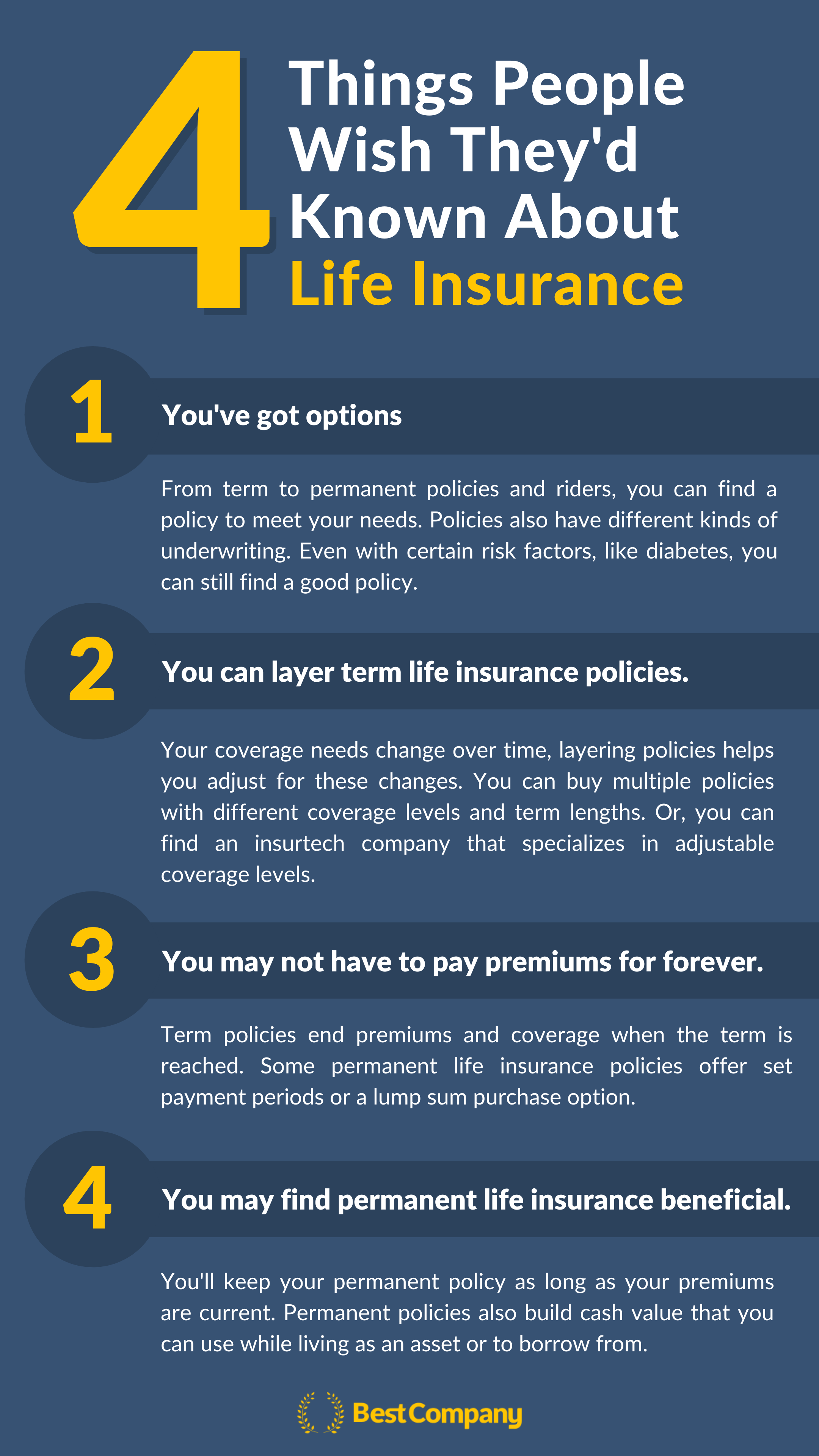
Choosing the right type of life insurance can be confusing. There are many options, but most policies fit into two main categories: term life and permanent life.
| Type | Duration | Premium Cost | Builds Cash Value? |
|---|---|---|---|
| Term Life | 10–30 years | Lower | No |
| Whole Life | Lifetime | Higher | Yes |
| Universal Life | Lifetime (Flexible) | Varies | Yes |
Term life insurance is simple. You pay a set amount each month or year for a certain number of years (often 10, 20, or 30). If you die during this time, your family gets the payout. If you live past the term, the policy ends, and there is no payout.
Whole life insurance covers you for your whole life and also builds cash value. Part of your payment goes into savings, which you can borrow against later. However, it is more expensive.
Universal life insurance is more flexible. You can change your payments and coverage amount, but you need to monitor it to make sure it does not lapse.
Some people are surprised to learn that term life is usually enough for most families, especially if your main goal is income replacement. Permanent life is more useful if you want to leave an inheritance, cover estate taxes, or have special financial needs.
How Much Life Insurance Do You Need?
Getting the right amount of coverage is one of the most important steps. If you buy too little, your family might struggle. Too much, and you might overpay for years. A common rule is to have 10–15 times your annual income, but that is just a starting point.
Think about:
- Current income and debts: Consider your salary, mortgage, credit cards, and other loans.
- Living expenses: Include food, utilities, school fees, and medical costs.
- Future needs: College for your children, or support for aging parents.
- Existing assets: Savings, retirement funds, or other insurance policies.
For example, if you earn $60,000 a year and have a $200,000 mortgage, with two kids planning for college, you might need $600,000–$900,000 in coverage. But if you already have $100,000 saved, you can subtract that from your need.
Non-obvious tip: Many people forget to adjust their coverage over time. If your children finish college, or you pay off your home, you may not need as much insurance. Review your policy every few years.
What Affects Life Insurance Costs?
Several factors can change the price of your life insurance. Understanding these helps you avoid surprises.
| Factor | Effect on Cost | Details |
|---|---|---|
| Age | Older = Higher cost | Premiums rise with age |
| Health | Poor health = Higher cost | Medical history and tests matter |
| Gender | Men often pay more | Statistically, women live longer |
| Smoking | Smokers pay much more | Smoking doubles or triples rates |
| Policy Type | Permanent = Higher cost | Whole/Universal cost more than term |
| Coverage Amount | Higher coverage = Higher cost | Bigger payout, bigger premium |
It is wise to buy life insurance when you are young and healthy. Even waiting a few years can increase your premium by 8–10% per year. Also, some policies need a medical exam, while others (called “no-exam” policies) cost more but are faster to get.
Hidden insight: Some people buy group life insurance through work, thinking it is enough. But these policies are often too small, and you lose them if you leave your job.
:max_bytes(150000):strip_icc()/Life-Insurance-a8aee8e3024145a8b454ea19df030418.png)
Comparing Life Insurance Companies
Not all insurance companies are the same. The wrong choice can lead to poor service, delayed claims, or high costs. Here’s what to look for:
- Financial strength: Choose a company with strong ratings (A or better) from agencies like AM Best, Moody’s, or Standard & Poor’s. This shows the company can pay claims in the future.
- Customer service: Read reviews and see how the company handles questions, payments, and claims.
- Policy options: Some companies are better for term life, while others focus on permanent policies.
- Claims process: A fast and simple claims process helps your family during a difficult time.
Practical tip: Some people focus only on price. But a slightly higher premium with a top-rated company can save trouble years later.
The Application Process: What To Expect
Applying for life insurance is more detailed than many expect. You will answer questions about your health, job, hobbies, and travel. Most term and permanent policies require a medical exam (blood pressure, blood test, etc.).
Steps usually include:
- Fill out an application (online or with an agent).
- Answer health and lifestyle questions.
- Schedule a medical exam, if required.
- Wait for the company to review your results (underwriting).
- Get a final offer with your official premium.
This process can take from a few days to several weeks. No-exam policies are faster, but they are more expensive and have lower coverage limits.
Non-obvious insight: Be honest on your application. If you lie or leave out health information, the company may deny a claim or cancel your policy.
Common Mistakes To Avoid
Even smart buyers make mistakes when getting life insurance. Here are some to watch out for:
- Buying too little coverage: Many people underestimate what their family will need, especially after inflation.
- Choosing the wrong policy type: Some buy permanent life when term would be enough, or vice versa.
- Not reviewing your policy: Life changes—marriage, kids, divorce, or a new job—mean you should update your coverage.
- Relying only on work insurance: Employer policies rarely offer enough coverage.
- Ignoring riders: Riders are add-ons like disability coverage or critical illness. They can make a big difference but are often overlooked.
Remember, the best policy is the one that fits your life, not just your budget.
Riders And Extra Features
Riders are extra benefits you can add to your life insurance policy. They cost more but can offer valuable protection.
Some common riders include:
- Waiver of premium: If you become disabled and cannot work, your premiums are covered.
- Accelerated death benefit: You can access part of your payout early if you are diagnosed with a terminal illness.
- Child rider: Covers your children under your policy.
- Guaranteed insurability: Lets you buy more coverage later without another medical exam.
Not all riders are useful for everyone. Review each one and think about your family’s needs.
Life Insurance And Estate Planning
Life insurance is often a key part of estate planning. The payout can help pay estate taxes, provide an inheritance, or fund a trust for your children. If you have a large estate, talk with a financial advisor or estate attorney to structure your policy correctly.
Tip: The beneficiary is the person or people who receive the payout. Update your beneficiary after major life events, like marriage or divorce. Outdated beneficiaries are a common problem and can lead to legal fights.
Real-life Example
Consider Sara, a 35-year-old mother of two. She earns $70,000 a year and has a $250,000 mortgage. She chooses a 20-year term policy for $700,000. If she dies during that time, her family can pay off the house, cover living expenses, and save for college.
If she lives past 55, her kids are adults and her debts are paid, so she does not need as much coverage. This plan fits her life stage and future needs.

When Not To Buy Life Insurance
Not everyone needs life insurance. If you have no dependents, no debt, and enough savings to cover funeral costs, you may not need a policy. Also, be careful with policies sold as investments. While permanent life insurance builds cash value, it is usually less efficient than other investment tools.
If you are unsure, ask yourself: “Would someone struggle financially if I died tomorrow?” If the answer is yes, life insurance may be a smart step.
Where To Get Reliable Information
There is a lot of confusing or biased information online. For unbiased details, check official resources like the National Association of Insurance Commissioners. They offer clear guides and consumer protections.
Frequently Asked Questions
What Happens If I Miss A Payment?
Most policies offer a grace period (usually 30 days) to make a late payment. If you miss it, your policy may lapse, and you lose coverage. Some permanent policies use cash value to pay missed premiums, but this is not automatic for all plans.
Can I Change My Life Insurance Policy Later?
You can often increase or decrease your coverage, but it may require a new medical exam or higher premium. Term policies can sometimes be converted to permanent life without a new exam, but check your policy rules.
Is Life Insurance Taxable?
Life insurance payouts are usually tax-free for your beneficiaries. If your estate is very large, there may be estate taxes, but most families do not pay taxes on the payout itself.
Do I Need Life Insurance If I Am Single?
If no one depends on your income, you may not need life insurance. But if you have debts cosigned by others, or want to cover funeral costs, a small policy can still help.
How Do I Choose A Beneficiary?
Pick someone you trust and who relies on you financially. You can name more than one person or a trust. Keep your beneficiary choice up to date, especially after major life changes.
Protecting your loved ones is one of the most important things you can do. Life insurance is not always simple, but with the right knowledge, you can avoid common mistakes and get a policy that truly helps. Take your time, ask questions, and choose what is best for your future—and theirs.