
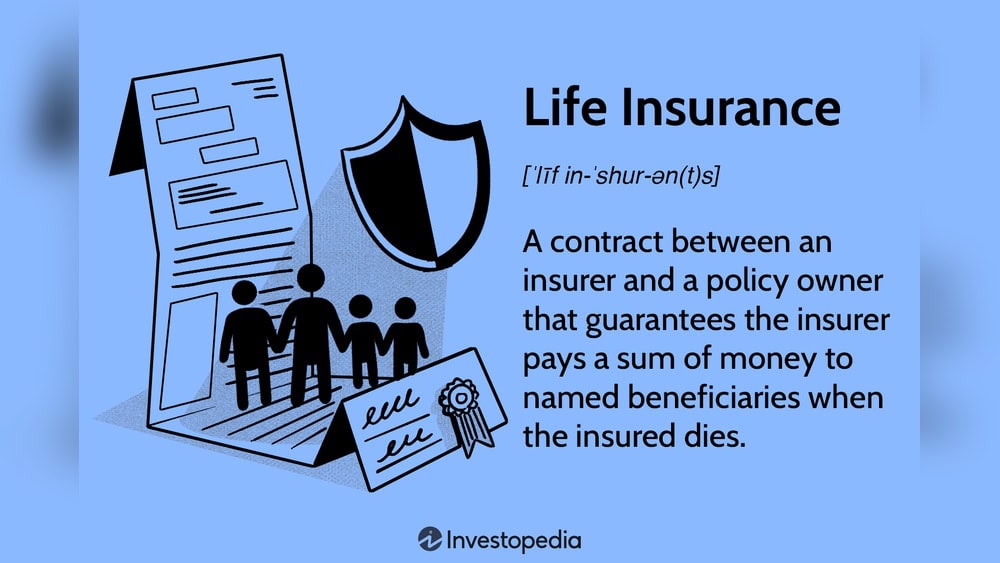
Life insurance is more than just a contract. It’s a financial tool that protects your family, supports your goals, and gives peace of mind. But many people buy a policy and never think about it again. Others wonder, “Is there more I can do with my life insurance?
” If you have a policy, or you’re considering one, understanding your options is key. This guide will help you see what you can do with a life insurance policy, from maximizing benefits to making smart decisions for your future.

Understanding Your Life Insurance Policy
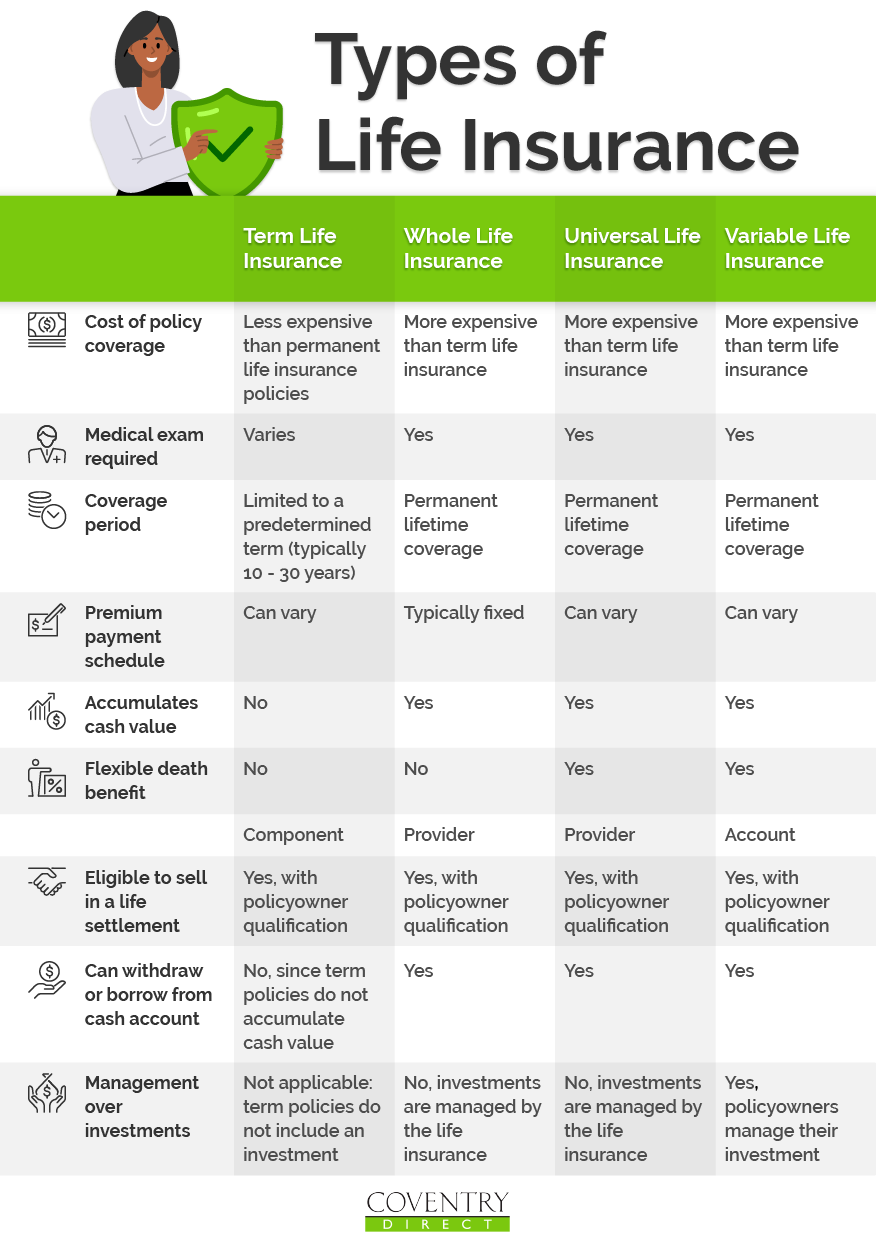
Before taking action, know what type of policy you have. The two main kinds are term life insurance and permanent life insurance. Term life covers you for a set period, like 10 or 20 years. Permanent life, such as whole life or universal life, covers you for your entire life and can build cash value.
Here’s a quick comparison:
| Type | Coverage Period | Builds Cash Value? | Typical Uses |
|---|---|---|---|
| Term Life | 10-30 years | No | Family protection, debt coverage |
| Whole Life | Lifetime | Yes | Estate planning, wealth transfer |
| Universal Life | Lifetime | Yes | Flexible premiums, investment growth |
Knowing your policy type helps you understand the features and possible actions.
Keeping Your Policy Active
The first thing to do is make sure your policy stays in force. Many policies lapse because people forget to pay premiums or ignore letters from their insurer. If your policy lapses, your coverage ends, and you lose any benefits.
To keep your policy active:
- Pay premiums on time. Set reminders or use automatic payments.
- Update your contact information. If you move or change phone numbers, let your insurer know.
- Review annual statements. These show your policy status and cash value (if any).
A common mistake is ignoring policy notices. If you get a letter from your insurer, open it immediately. It could be about a missed payment or a change in terms.

Updating Your Beneficiaries
Your policy pays a death benefit to the people you name as beneficiaries. Many people set beneficiaries once and never update them. Life changes—like marriage, divorce, or the birth of a child—should trigger a review.
You can update beneficiaries by:
- Contacting your insurance company
- Filling out a beneficiary change form
Always confirm your changes are processed. If your beneficiary is outdated, your money might go to the wrong person, or even get tied up in legal issues.
Using Your Policy For Financial Planning
Life insurance can be part of your bigger financial plan. It’s not just about protecting your family. There are ways to use your policy’s features for other goals.
Accessing Cash Value
Permanent life insurance policies build cash value over time. You can tap into this value in several ways:
- Policy loans: Borrow against your cash value with low interest. You don’t need credit checks. But unpaid loans reduce your death benefit.
- Withdrawals: Take money out, often tax-free up to what you paid in premiums. If you withdraw too much, your policy could lapse.
- Surrender: Cancel your policy and receive the cash surrender value. This ends your coverage.
Here’s a comparison of cash value access:
| Method | Impact on Death Benefit | Tax Consequences |
|---|---|---|
| Loan | Reduces benefit if not repaid | Usually tax-free |
| Withdrawal | May reduce benefit | Tax-free up to premiums paid |
| Surrender | Ends coverage | Taxed on gains above premiums paid |
A non-obvious insight: Loans and withdrawals are quick to get, but many people forget to repay. This can leave families with less money when they need it most.
Using For College Funding Or Retirement
Some parents use life insurance cash value to help pay for college. Others use it to supplement retirement income. While not the main purpose of life insurance, these options are possible if your policy has grown enough.
Be careful: Using cash value for non-emergency needs can risk your coverage. Make sure you leave enough value to keep the policy active.
Reviewing And Adjusting Your Coverage
Life changes fast. You might get married, have children, buy a house, or start a business. Each change affects how much life insurance you need.
- If your family grows, increase coverage.
- If debts decrease, consider lowering coverage.
- If your income rises, adjust your policy to protect new assets.
Many people don’t review their coverage for years. This is a mistake. Review your policy every year or after big life changes.
Selling Or Converting Your Policy
Some policies can be sold or converted, giving you flexibility as your needs change.
Selling Your Policy (life Settlement)
If you no longer need your policy, or can’t afford premiums, you might sell it to a third party. This is called a life settlement. You get a lump sum, often more than the surrender value.
However, selling isn’t for everyone. It’s usually best for older adults with permanent policies. The buyer takes over premiums and gets the death benefit when you pass away.
Common mistake: Not shopping around. Different buyers offer different prices. Compare offers before selling.
Converting Term To Permanent
Many term policies let you convert to a permanent policy. This is useful if your health has changed and you want lifelong coverage. You usually don’t need a new medical exam.
This option often has deadlines. If you wait too long, you may lose the chance to convert.
Using Life Insurance For Estate Planning
Life insurance is an important tool for estate planning. It can help:
- Pay estate taxes
- Leave money to heirs
- Support charities
Some people set up trusts, which manage how the death benefit is paid. This can protect heirs from taxes and keep money out of probate court.
A useful tip: If your estate is large, talk to an attorney or financial planner. They can help set up trusts or other strategies to maximize benefits.
Addressing Policy Loans And Debt
If you borrow against your policy, pay attention to the loan balance and interest. Unpaid loans can eat away at your death benefit.
Here’s a simple example:
- If your policy has a $100,000 death benefit and you borrow $20,000, your family receives $80,000 if you pass away before repaying.
Interest builds over time. If you don’t pay, the loan grows and your coverage shrinks.

Comparing Life Insurance Options
Sometimes, your current policy isn’t the best fit. You may want to compare options:
| Feature | Term Life | Whole Life | Universal Life |
|---|---|---|---|
| Premium Cost | Low | High | Flexible |
| Cash Value | None | Guaranteed | Market-based |
| Coverage Duration | Fixed | Lifetime | Lifetime |
| Loan Options | No | Yes | Yes |
If you want flexibility, universal life may be better. If you just want protection for a set time, term life is more affordable.
Making The Most Of Your Policy
To get the most from your life insurance:
- Review your policy every year.
- Update beneficiaries after big life changes.
- Use cash value wisely—don’t over-borrow.
- Explore conversion or settlement options if your needs change.
- Ask your insurer about new features or riders.
Many people miss out on benefits by not asking questions. Insurance companies often offer riders—extra features like disability income or accidental death coverage. These can add value for a small cost.
Common Mistakes To Avoid
- Letting your policy lapse by missing payments.
- Forgetting to update beneficiaries.
- Ignoring cash value loans.
- Not reviewing coverage after life changes.
- Selling a policy without comparing offers.
- Failing to understand surrender charges.
A non-obvious insight: Many policies have surrender charges if you cancel early. These fees can take a big bite out of your cash value. Always ask about charges before making changes.
Seeking Professional Advice
Life insurance choices can be complex. If you’re unsure, talk to a financial advisor or insurance agent. They can review your policy and help you make smart decisions. Look for advisors who are licensed and have good reviews.
For more information on life insurance basics and planning, you can visit the Investopedia Life Insurance Guide.
Frequently Asked Questions
What Happens If I Stop Paying Premiums?
If you stop paying premiums, your policy will lapse. You lose coverage, and your beneficiaries won’t receive a death benefit. Some permanent policies may keep a small amount of coverage using cash value, but this is usually temporary.
Can I Change My Life Insurance Policy Later?
Yes, you can often increase coverage, add riders, or convert term to permanent. Some changes require a new medical exam, while others don’t. Always check your policy’s rules and deadlines.
How Do I Access My Policy’s Cash Value?
You can access cash value by taking a loan, making a withdrawal, or surrendering the policy. Each method has different effects on your death benefit and taxes. Ask your insurer for details before taking action.
Is Selling My Life Insurance Policy A Good Idea?
Selling your policy can give you a lump sum, but you lose coverage. It’s best for people who no longer need insurance or can’t afford premiums. Compare offers and talk to a financial advisor before selling.
How Often Should I Review My Life Insurance Policy?
Review your policy every year or after big life events, like marriage, birth, or buying a house. This helps make sure your coverage fits your needs and your beneficiaries are up to date.
Taking action with your life insurance policy isn’t just about paperwork. It’s about protecting your loved ones, planning for your future, and making the most of your investment. With careful review and smart decisions, your policy can serve you well for many years.