
Many people hear about life insurance policies and annuities when planning their finances, but the differences between them can be confusing. Both products involve payments and offer financial security, yet their purposes and benefits are not the same. Understanding how each works can help you make smarter decisions for yourself and your family. This guide explains the key differences, gives real-life examples, and answers common questions in plain English.
What Is A Life Insurance Policy?
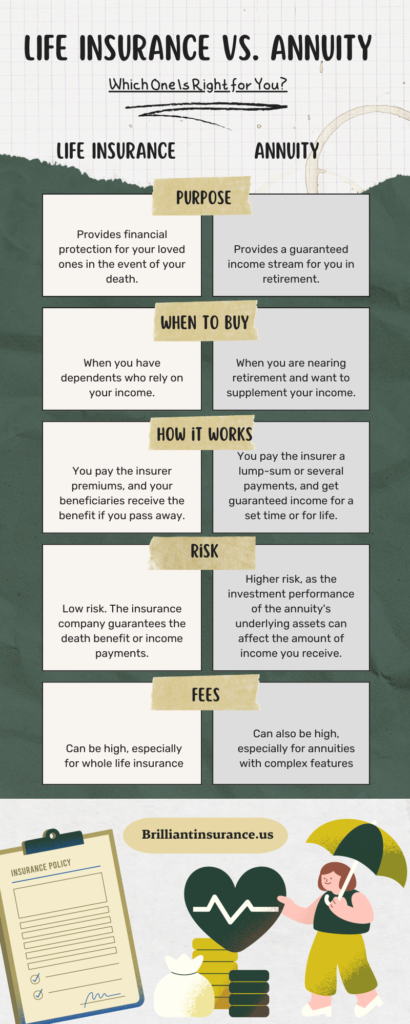
A life insurance policy is a contract that pays money to your beneficiaries after you die. The main goal is to protect your loved ones from financial hardship. You pay regular premiums to the insurance company, and in return, your family receives a lump sum, called the death benefit, if you pass away.

There are two main types:
- Term life insurance: Covers you for a set period (like 10, 20, or 30 years). If you die during this period, your family gets paid. If you outlive the term, the policy ends with no payout.
- Whole life insurance: Covers you for your entire life and often builds cash value you can borrow against.
Most people choose life insurance to:
- Replace lost income
- Pay off debts (like mortgages)
- Cover funeral expenses
- Support children’s education
A common mistake is thinking life insurance is a way to invest or save money. While some policies do build cash value, their main purpose is protection—not growth.
What Is An Annuity?
An annuity is a contract that pays you money over time, often after you retire. It’s usually bought with a lump sum or through regular payments. The insurance company invests your money and pays you back as guaranteed income for a set period or for life.
Annuities are designed for:
- Retirement income
- Protecting against outliving your savings (longevity risk)
- Steady cash flow
There are several types:
- Immediate annuity: You pay a lump sum and get payments right away.
- Deferred annuity: You pay now, but your payments start later (often at retirement).
- Fixed annuity: Pays a set amount regularly.
- Variable annuity: Payments depend on investment performance.
One insight many beginners miss: annuities are not life insurance. They don’t pay your family if you die; they pay you while you live. Another common mistake is buying an annuity without understanding the fees, which can reduce your returns.
:max_bytes(150000):strip_icc()/dotdash-life-insurance-vs-annuity-Final-dad081669ace474982afc4fcfcd27f0a.jpg)
Key Differences Between Life Insurance And Annuity
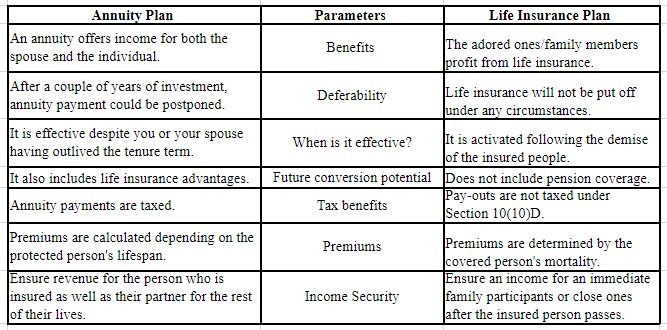
Life insurance and annuities are both sold by insurance companies, but their goals are different. Here’s a simple comparison:
| Feature | Life Insurance Policy | Annuity |
|---|---|---|
| Main Purpose | Protect family after death | Provide income while living |
| Who Gets Paid | Beneficiaries | Policyholder |
| Payment Type | Lump sum after death | Regular payouts during life |
| Premiums | Regular payments | Lump sum or regular payments |
| Tax Benefits | Death benefit often tax-free | Some payouts may be taxable |
Another key difference: life insurance is about risk protection, while annuities are about income creation.
Practical Examples
Life Insurance Example
Maria buys a $250,000 term life policy for 20 years at age 35. She pays $30 per month. If Maria dies within 20 years, her husband and children get $250,000. If she outlives the policy, no money is paid.
Annuity Example
John, age 60, invests $100,000 in a fixed annuity. He receives $500 per month for the rest of his life. This money helps him pay bills during retirement.
These examples show how each product works in real life. Life insurance protects families from sudden loss, while annuities create steady income.
Pros And Cons
Let’s look at the advantages and disadvantages of each product:
| Product | Pros | Cons |
|---|---|---|
| Life Insurance | – Protects family – Death benefit is tax-free – May build cash value |
– No payout if you outlive term – Whole life is costly – Cash value grows slowly |
| Annuity | – Steady income – Helps manage longevity risk – Flexible payment options |
– Fees can be high – Payouts may be taxed – Not for short-term needs |
A non-obvious insight: Many people think annuities are only for wealthy retirees, but they can help anyone who worries about running out of money.
How To Choose Between Life Insurance And Annuity
Choosing the right product depends on your goals:
- If you want to protect your family or pay off debts, choose life insurance.
- If you need guaranteed income for retirement, choose an annuity.
Some people buy both. For example, someone may buy life insurance when their children are young and switch to an annuity when they retire.
Consider these tips:
- Think about your age and stage of life.
- Calculate how much money your family would need if you die.
- Estimate your retirement expenses.
- Compare costs, fees, and benefits.
- Talk to a financial advisor before making a decision.
Frequently Asked Questions
What Happens If I Die With An Annuity?
Most annuities stop paying when you die. Some offer a death benefit or let you add a beneficiary, but this often reduces the payout you receive.
Can I Have Both Life Insurance And An Annuity?
Yes, you can own both. Many people use life insurance for family protection and annuities for retirement income.
Is An Annuity A Good Investment?
Annuities are not traditional investments. Their main value is guaranteed income. Some offer investment options, but fees and risks are higher than regular savings accounts.
Are Life Insurance Payouts Taxed?
Most death benefits are tax-free. However, if the payout goes into your estate or is invested, taxes may apply.
How Do I Choose The Right Company?
Look for companies with strong financial ratings and good customer reviews. Check their history, fees, and product details. For unbiased information, visit Investopedia’s Insurance Ratings.
Both life insurance and annuities offer important financial benefits, but they serve different needs. Understanding how each works, and knowing the pros and cons, can help you build a safer and more stable financial future. Take time to compare your options and make a choice that fits your life.