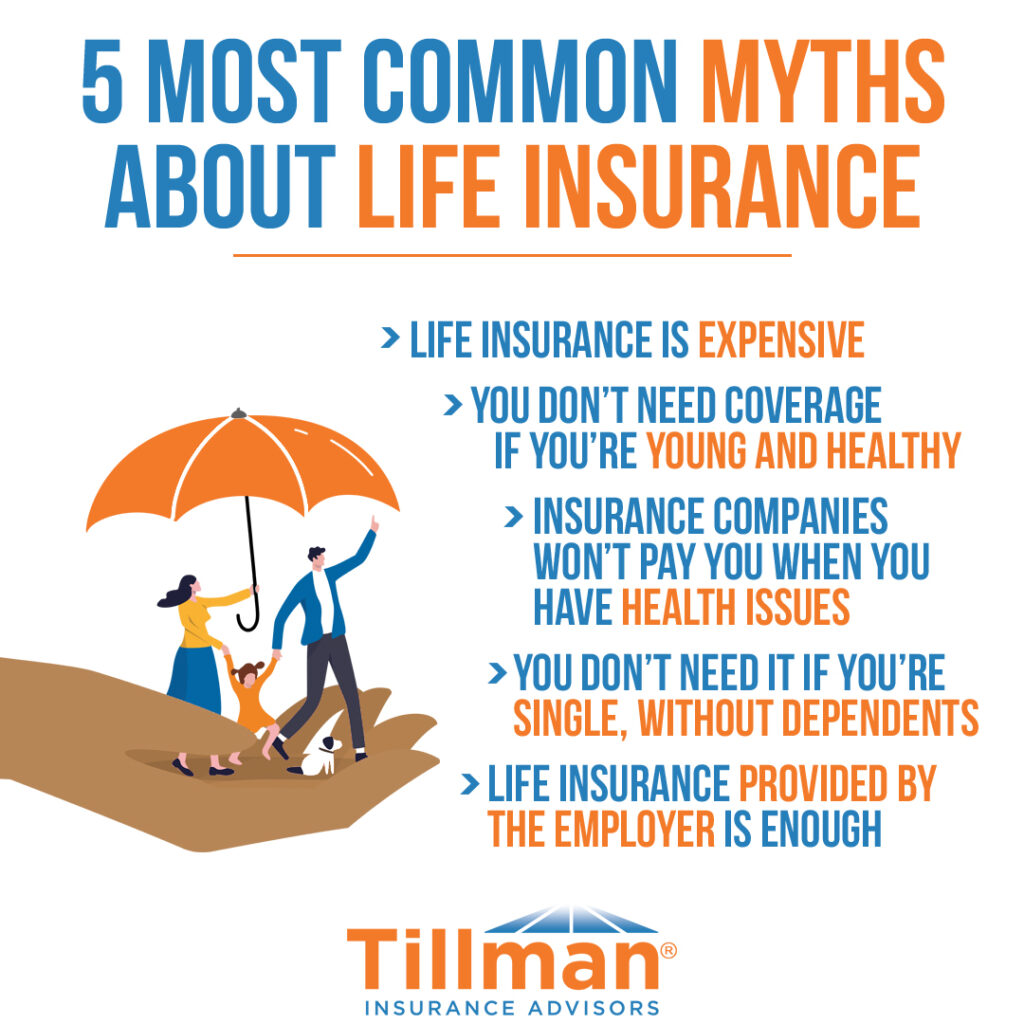
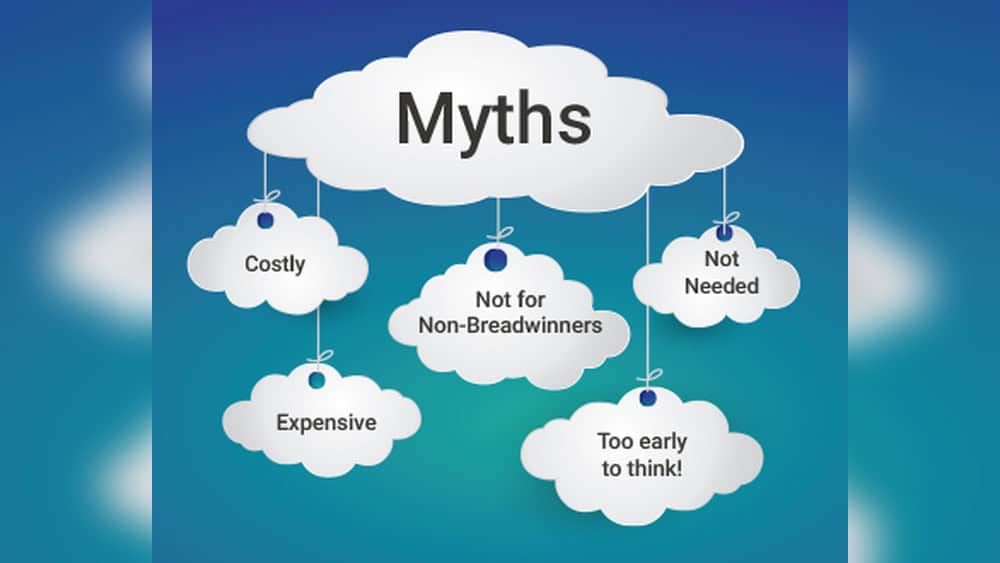
Life insurance often sounds complex, especially if you’re not a financial expert. It’s easy to hear something about life insurance and believe it without checking the facts. Many people avoid getting coverage because of ideas that simply aren’t true. These misunderstandings can leave families unprotected or cause someone to buy the wrong kind of policy.
Let’s clear up the most common misconceptions about life insurance, so you can make smart choices for yourself and your loved ones.

Life Insurance Is Only For Older People
A lot of people think life insurance is something you only need when you’re older, have a family, or own a house. This is not true. In fact, buying life insurance when you are young can be one of the smartest financial moves you make.
When you’re younger and healthier, you can usually get lower premiums because the risk to the insurance company is lower. If you wait until you’re older, rates go up—sometimes a lot. Also, unexpected events can happen at any age. If you have debts or want to help your family with funeral costs, life insurance is important even if you are single or don’t have children yet.
Life Insurance Is Too Expensive
Many people skip life insurance because they believe it costs too much. But studies show that people overestimate the price by more than three times the real cost, especially for term life insurance.
For example, a healthy 30-year-old can often get a 20-year, $500,000 term life policy for less than $25 per month. The price depends on your age, health, and coverage amount, but there are usually options for every budget. Permanent life insurance (like whole life) is more expensive, but it also offers extra benefits like cash value.
Here’s a quick look at average monthly costs for a $250,000 term life policy:
| Age | Male (Monthly) | Female (Monthly) |
|---|---|---|
| 25 | $15 | $13 |
| 35 | $18 | $16 |
| 45 | $32 | $28 |
As you can see, life insurance is often affordable, especially when you start young.
Only The Family Breadwinner Needs Life Insurance
A common myth is that only the person earning the most money needs coverage. But what about stay-at-home parents or partners? Their work has real value. If something happened to them, the cost of child care, cleaning, and other services would add up quickly.
For example, the value of a stay-at-home parent’s work is estimated to be over $180,000 per year in the US. If you had to pay for all those services, it could be a huge financial strain. So, both partners should consider life insurance, not just the main earner.
Life Insurance Through Work Is Enough
Many employers offer group life insurance as a job benefit. This coverage is a good start, but it’s usually not enough. Most group policies offer coverage equal to one or two times your annual salary. That might sound like a lot, but it rarely covers long-term needs like mortgage, education, or living expenses for your family.
Here’s a quick comparison:
| Coverage Type | Typical Coverage Amount | Portability | Cost |
|---|---|---|---|
| Employer Group | 1–2x salary | No (if you leave job) | Usually Free or Low Cost |
| Individual Policy | 5–20x salary (customizable) | Yes | Paid by you |
Also, if you leave your job, you usually lose your group life insurance. Individual policies give you more control and follow you wherever you work.

Life Insurance Is Only For Covering Death Expenses
Many believe life insurance is only to pay for funeral costs. While it does cover these expenses, it can do much more. The payout (called the death benefit) can help your family with mortgage payments, debts, daily expenses, and even future costs like college tuition.
Some permanent life insurance policies also have a cash value feature. This can be used during your lifetime for emergencies, retirement, or other needs. So, life insurance is not just about death—it’s also a tool for financial planning.
If You’re Young And Healthy, You Don’t Need It
It’s true that young, healthy people are less likely to die soon. But that’s exactly why you can get better rates. Life insurance isn’t just about risk—it’s about protecting your future. Accidents, illnesses, or sudden changes can happen to anyone.
Plus, if you develop health issues later, it can become much harder and more expensive to get coverage. Locking in a policy early means you’re covered no matter what happens in the future.
Life Insurance Payouts Are Always Taxed
A widespread myth is that life insurance benefits are taxed. In almost all cases, the death benefit your family receives is income tax free. This means your loved ones get the full amount to help with their needs.
However, there are special cases (like very large estates or certain types of policies) where taxes might apply. But for most people, payouts are tax-free. For more detail, you can check the IRS rules on life insurance benefits.
You Can’t Get Life Insurance If You Have Health Issues
Many people with health problems believe they will be denied coverage. While it’s true that some health issues make insurance more expensive, it’s often still possible to get a policy. There are special plans called guaranteed issue or simplified issue life insurance that don’t require a medical exam.
These policies usually cost more and offer less coverage, but they can still give peace of mind. Plus, every insurance company has different rules, so it’s worth shopping around or speaking to an agent.
Life Insurance Is An Investment
Sometimes, people think life insurance is mainly a way to invest and grow money. While some permanent policies (like whole life or universal life) do build cash value, they are not designed to replace retirement accounts or investment funds.
Here is a quick comparison of life insurance and investment accounts:
| Feature | Life Insurance (Whole/Universal) | Retirement Account (401k/IRA) |
|---|---|---|
| Main Purpose | Financial protection | Wealth building |
| Growth Rate | Low to moderate | Market-based, usually higher |
| Liquidity | Access cash value (with limits) | Withdrawals (penalties before age 59½) |
Permanent life insurance can be a small part of your financial plan, but it should not be your main investment tool.
You Don’t Need Life Insurance If You’re Single
If you’re single, you might think you don’t need any coverage. But there are still reasons to consider it. If you have debts like student loans (especially if a parent co-signed), your family could be responsible for them if something happens to you.
Life insurance can also cover funeral expenses, so your loved ones don’t have to pay out of pocket. Also, if you plan to have a family later, buying early locks in lower rates and ensures you’re covered if your situation changes.

It’s Hard To Buy Or Takes Too Long
People sometimes imagine the life insurance process is slow and filled with paperwork. While this was true in the past, things have changed. Many companies now offer online applications and quick approvals. For simple term policies, you might not need a medical exam at all.
Some people get covered in just a few days. For more complex policies, it may take a few weeks, but it’s usually much faster than most think. If you’re prepared with your personal information, the process is smoother.
All Life Insurance Policies Are The Same
This is a big misunderstanding. There are two main types: term life (which lasts a set number of years) and permanent life (which lasts your whole life). Term life is usually cheaper and best for most needs, while permanent life offers lifelong coverage and cash value.
Within these, there are many options—like whole life, universal life, and variable life. Each has different features, costs, and benefits. It’s important to match the policy to your needs, not just pick the cheapest or most popular one.
Life Insurance Companies Don’t Pay Claims
Some people fear that insurance companies will look for excuses not to pay. In reality, companies pay out over 98% of life insurance claims in the US. Non-payment usually happens only if there was fraud, false information, or the policy was very new when the claim was made (within the contestability period, usually the first two years).
To avoid problems, always give honest answers on your application and pay your premiums on time. If you do, your family will get the benefits they deserve.
You Can’t Change Your Policy Once You Buy
Some believe you’re stuck with your life insurance policy forever. But most policies are flexible. You can often increase or decrease coverage, add riders (extra benefits), or even switch to a different policy if your needs change.
For example, if you have a term policy and later want permanent coverage, many companies allow you to convert your policy within a certain period, usually without a new medical exam.
Only Parents Need Life Insurance
Parents often buy life insurance to protect their children. But other people may need it too. Business owners might need coverage for key employees or to protect their company. People with dependents, like elderly parents or special needs siblings, can also benefit from life insurance.
Thinking life insurance is just for parents is too narrow. Anyone with someone who relies on them financially should consider coverage.
Not All Life Insurance Agents Are The Same
Some think all agents offer the same products or advice. But agents can work for one company (captive agents) or offer products from many companies (independent agents). Independent agents can compare more options and may help you find better rates or features.
Make sure your agent is licensed and has good reviews.
You Don’t Need To Review Your Life Insurance
Many people buy a policy and forget about it. But your needs change—marriage, children, new job, or a new house. It’s smart to review your coverage every few years or after big life events to make sure it still fits your situation.
Extra Insights Most People Miss
- Riders Can Add Value: Many people don’t realize you can customize your policy with riders. For example, a waiver of premium rider means you don’t have to pay premiums if you become disabled.
- Term Conversion Is a Hidden Benefit: With many term policies, you can convert to permanent insurance later, even if your health changes. This is valuable if you develop a medical issue and still want lifelong coverage.
Final Thoughts
Life insurance doesn’t have to be confusing or scary. The biggest danger is believing myths that keep you from getting the protection you need. Take time to understand your options, look beyond the common misconceptions, and ask questions if you’re unsure. The right policy can give you and your loved ones peace of mind, no matter what the future brings. For further reading, you can check resources like this Investopedia guide to life insurance.
Frequently Asked Questions
What Is The Difference Between Term And Whole Life Insurance?
Term life insurance covers you for a set period (like 20 years) and is usually cheaper. Whole life insurance lasts your entire life and builds cash value, but costs more. The right choice depends on your needs and budget.
Can I Get Life Insurance If I Have A Pre-existing Condition?
Yes, but it might cost more. Some policies don’t require a medical exam, but coverage amounts are usually lower. Shopping around or talking to an agent helps you find the best option.
Do I Need A Medical Exam To Buy Life Insurance?
Not always. Many companies offer no-exam life insurance for certain ages and coverage amounts. For larger policies or older applicants, a simple medical exam may be required.
How Much Life Insurance Do I Need?
A common rule is 10–15 times your annual income, but it depends on your family, debts, and future plans. Online calculators can help you estimate your needs.
Is The Payout From Life Insurance Taxable?
For most people, life insurance death benefits are tax-free. There are exceptions for very large estates or certain types of policies, so check with a tax professional if you’re unsure.