
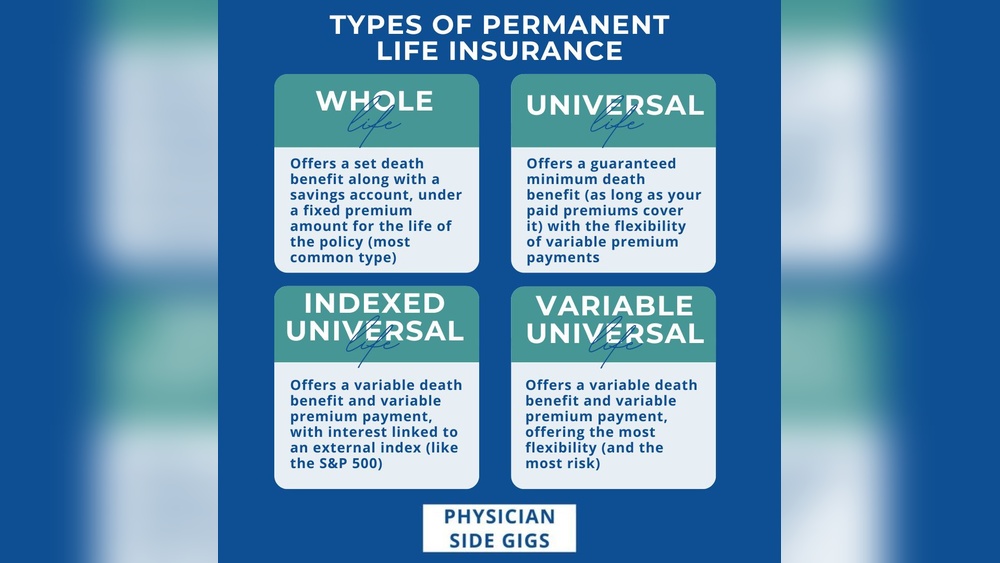
Variable Whole Life Insurance can be described as a powerful tool that puts you in control of your financial future. If you’re looking for a way to protect your loved ones while also growing your money, this type of insurance might be the answer.
Imagine having a policy that not only offers lifelong coverage but also lets you invest in options that could increase your cash value. Want to know how it works and if it fits your needs? Keep reading, because understanding this could change the way you think about life insurance—and your financial security.

What Is Variable Whole Life Insurance
Variable whole life insurance is a type of permanent life insurance. It provides coverage for your entire life as long as you pay the premiums. This insurance combines a death benefit with an investment component. The cash value can grow based on the performance of investments you choose.
This type of policy offers flexibility and potential growth. It allows you to invest in stocks, bonds, or mutual funds. The value of your policy can increase or decrease with market changes. This can help build wealth over time.
Key Features
- Permanent coverage that lasts your entire life
- Cash value grows through investment options
- Flexible premiums within certain limits
- Death benefit paid to beneficiaries
- Policyholder controls investment choices
- Potential for higher returns than traditional whole life
How It Differs From Other Life Insurance
- Unlike term insurance, coverage does not expire
- Cash value growth depends on investment performance
- More risk due to market exposure
- Offers more control over how cash value is invested
- Premiums can be higher than term or fixed whole life
- Death benefit can vary with investment results

Credit: www.easyquotes4you.com
Benefits Of Variable Whole Life Insurance
Variable whole life insurance offers several important benefits. It combines life coverage with an investment option. This makes it a unique choice for many people. The policy’s cash value can grow based on market performance. The coverage lasts for the insured’s entire life. Below are some key advantages of this insurance type.
Investment Growth Potential
The cash value in variable whole life insurance can grow over time. Policyholders can choose how to invest this money. Options often include stocks, bonds, and mutual funds. This allows for potential higher returns than traditional whole life policies. The value depends on market performance, so it can rise or fall. This gives a chance for greater financial growth during the policy’s life.
Tax Advantages
Cash value growth in variable whole life insurance is tax-deferred. This means no taxes are paid on earnings while they grow. Withdrawals up to the amount paid in premiums are usually tax-free. Death benefits paid to beneficiaries are generally income tax-free as well. These tax benefits help the policyholder keep more of their money. It makes the policy more attractive for long-term financial planning.
Lifetime Coverage
Variable whole life insurance provides coverage for the entire life of the insured. As long as premiums are paid, the policy stays active. This offers peace of mind knowing loved ones will receive a death benefit. The coverage does not expire like term life insurance. It can help with estate planning and final expenses. The lifelong protection is a major reason many choose this policy type.
Risks And Considerations
Variable whole life insurance offers unique benefits but also comes with risks and important considerations. Understanding these factors helps policyholders make better decisions. It is not just about protection. It involves managing investments and costs as well.
Market Volatility Impact
The cash value of variable whole life insurance depends on market performance. Investment returns can change daily. This means your policy’s value can rise or fall. Poor market conditions may reduce your cash value. It can also affect the death benefit amount. This risk makes it important to watch market trends closely.
Fees And Expenses
Variable whole life insurance has higher fees than other types. These costs include management fees, administrative fees, and insurance charges. Fees reduce the cash value growth over time. Some fees are fixed, others depend on investments. Understanding these expenses helps avoid surprises. It also shows how fees affect overall returns.
Policyholder Responsibilities
Policyholders must actively manage their policies. This includes choosing investment options and reviewing performance. Regular monitoring is essential to avoid losing value. Some policies require adjusting contributions or switching funds. Staying informed about fees and market changes is necessary. This involvement helps keep the policy aligned with your goals.
Choosing The Right Policy
Choosing the right variable whole life insurance policy can feel complex. It needs careful thought and clear priorities. This choice impacts your financial security and investment growth. Understanding what to check helps you pick a plan that fits your needs well.
Assessing Financial Goals
Start by listing your financial goals. Think about what you want the policy to achieve. Is it for long-term savings, family protection, or wealth transfer? Clear goals guide your policy choice and investment decisions. Consider how much risk you can take with your investments. Match your goals with the policy’s features and flexibility.
Comparing Providers
Not all insurance companies offer the same value. Look at their reputation and financial strength. Check how long they have sold variable whole life policies. Read customer reviews for real experiences. Compare fees, charges, and the support they provide. A reliable provider makes managing your policy easier.
Evaluating Investment Options
Variable whole life insurance lets you invest in various funds. Review the types of investment options each policy offers. Some policies have stocks, bonds, or mutual funds. Check the past performance but focus on the fund’s stability. Look for options that align with your risk level and goals. Understanding this helps you grow your cash value wisely.
How To Maximize Policy Benefits
Maximizing the benefits of a Variable Whole Life Insurance policy takes regular attention and smart decisions. The policy combines life coverage with investment options. This means you can grow your cash value over time. To get the most from your policy, you must actively manage it.
Regular Policy Reviews
Check your policy at least once a year. This helps you understand how your investments perform. It also reveals if your coverage still fits your needs. Life changes like marriage or a new job may require adjustments. Keep your policy up to date to avoid surprises.
Adjusting Investment Allocations
Your policy offers different investment choices. Some are safer, others riskier. Change your allocations based on your goals and market trends. A balanced mix can protect your cash value while aiming for growth. Review your options to stay aligned with your financial plans.
Using Policy Loans Wisely
Policy loans let you borrow money from your cash value. Use this feature carefully. Loans reduce the death benefit and cash value until repaid. Only borrow when necessary and have a plan to repay. Wise use keeps your policy strong and benefits intact.
Common Myths And Misconceptions
Variable whole life insurance often confuses many people. Myths and false ideas about it spread quickly. These myths can stop people from seeing its real benefits. Understanding the truth helps you make better decisions.
Costs Are Always High
Many believe variable whole life insurance costs too much. The truth is, costs vary by policy and provider. Some plans are affordable and fit small budgets. It depends on your needs and how you manage the policy.
Guaranteed Returns
People often think this insurance gives guaranteed returns. It does not promise fixed investment gains. The cash value depends on the performance of chosen investments. This means returns can go up or down.
Only For The Wealthy
Some say this insurance is only for rich people. Actually, many plans suit middle-class families too. You can start with lower coverage and increase it later. It offers flexible options to match different incomes.
Variable Whole Life Insurance In Retirement Planning
Variable whole life insurance plays a key role in retirement planning. It offers more than just a death benefit. The cash value grows based on investments, giving flexibility and potential growth. This feature helps meet various financial needs during retirement.
Supplementing Income
Cash value in variable whole life insurance can provide extra income. You can borrow against the policy or make withdrawals. This helps cover daily expenses without touching other retirement funds. It acts as a backup source during unexpected costs.
Legacy And Estate Planning
This insurance helps secure your family’s future. The death benefit passes directly to beneficiaries, avoiding probate delays. It ensures your loved ones receive financial support quickly. It also helps cover estate taxes, preserving more wealth for heirs.
Tax-efficient Wealth Transfer
Variable whole life insurance offers tax advantages. The cash value grows tax-deferred, meaning no taxes while it grows. Death benefits are usually tax-free to beneficiaries. This makes it a smart tool for passing wealth efficiently across generations.
Credit: www.westernsouthern.com

Credit: insureguardian.com
Frequently Asked Questions
What Is Variable Whole Life Insurance?
Variable whole life insurance is a permanent policy combining life coverage with investment options. It builds cash value through variable investments, like stocks. Policyholders can adjust premiums and death benefits. It offers potential growth but involves market risk, unlike traditional whole life insurance.
How Does Cash Value Grow In Variable Whole Life Insurance?
Cash value grows based on the performance of chosen investment options within the policy. It can increase or decrease with market changes. This allows for higher growth potential but also exposes the policyholder to investment risk. The cash value can be used for loans or withdrawals.
Who Should Consider Variable Whole Life Insurance?
It suits individuals seeking lifelong coverage with investment flexibility. Ideal for those comfortable with market risk and wanting potential cash value growth. It’s less suitable for risk-averse people or those needing fixed premiums and guaranteed returns. Financial goals and risk tolerance matter most.
What Are The Risks Of Variable Whole Life Insurance?
The main risk is investment volatility affecting cash value and death benefit. Poor market performance can reduce policy value. Additionally, fees and charges can impact growth. Policyholders must actively manage investments and understand potential losses alongside benefits.
Conclusion
Variable whole life insurance offers both protection and investment options. It helps build cash value over time. You can adjust your coverage and investments as needs change. This type of insurance suits those who want flexibility and growth potential. It carries some risk but also opportunities for higher returns.
Understanding how it works is key before deciding. Choose a plan that fits your goals and comfort with risk. Variable whole life insurance can be a valuable part of your financial plan.