
Life insurance is often seen as a complex topic, but understanding your options can help you make the right choice for your family and future. Many people think life insurance is only for older adults or those with children, but it’s useful for anyone who wants financial protection and peace of mind.
Whether you’re single, married, have children, or own a business, the right life insurance policy can help ensure your loved ones are supported if something unexpected happens. This article explains the main types of life insurance, how they work, and how to choose the best option for your needs.

We’ll look at costs, benefits, common mistakes, and even answer some frequently asked questions. By the end, you’ll feel confident about making smart decisions regarding life insurance.
What Is Life Insurance?
Life insurance is a contract between you and an insurance company. You pay regular premiums, and if you die while the policy is active, the company pays a lump sum to your chosen beneficiaries. This payment is called the death benefit. People use life insurance to help their families pay bills, cover funeral costs, manage debts, or keep their lifestyle after the loss of a breadwinner.
There are many life insurance options. Understanding each type is important because the wrong choice can cost you more or give less coverage than you need. Life insurance is not only about money—it’s about security and support for those you care about.
Main Types Of Life Insurance
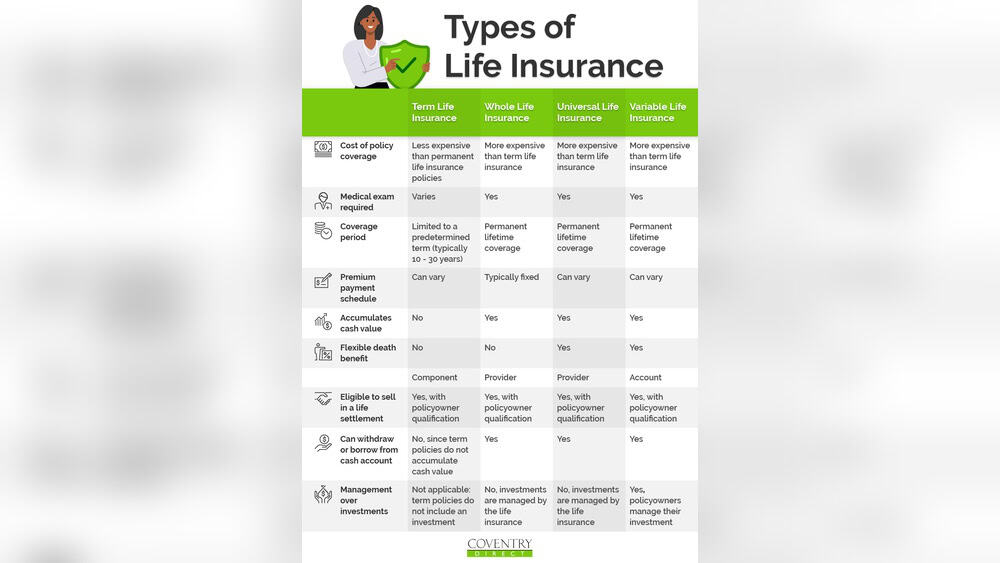
The two main categories are term life insurance and permanent life insurance. Each has sub-types with different features.
Term Life Insurance
Term life insurance is simple and usually the cheapest option. You choose a coverage amount and a term (often 10, 20, or 30 years). If you die during this period, your beneficiary gets the death benefit. If you live past the term, the policy ends, and you get nothing back.
Benefits:
- Low premiums
- Easy to understand
- Good for temporary needs (like paying off a mortgage or supporting children until adulthood)
Drawbacks:
- No cash value
- Coverage ends after the term
Example: If you buy a $500,000 policy for 20 years, your family gets $500,000 if you die within that time. If you’re alive after 20 years, there’s no payout.
Permanent Life Insurance
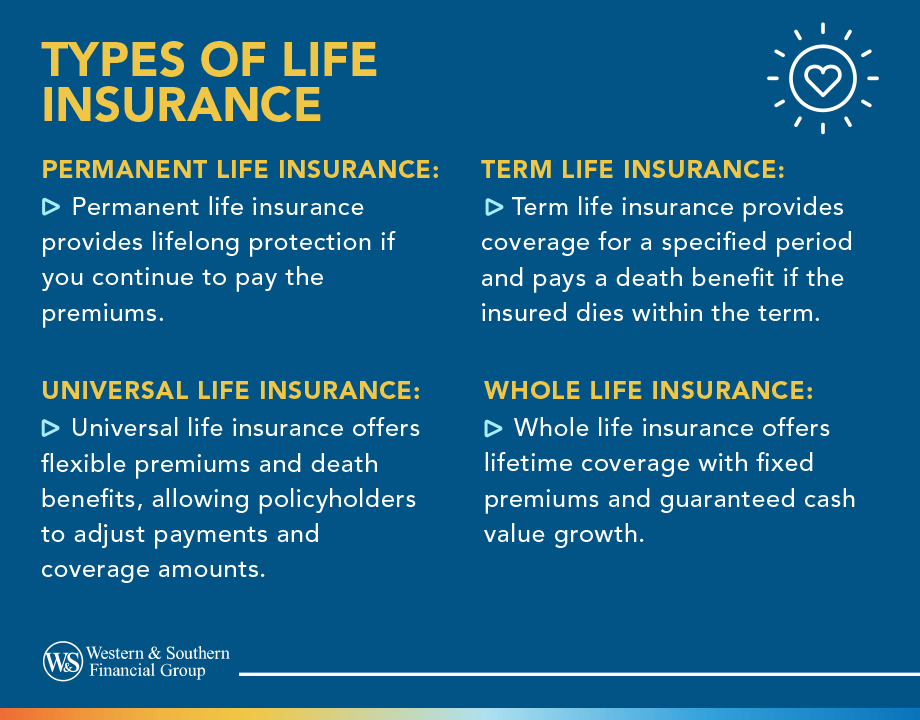
Permanent life insurance lasts your whole life as long as you pay premiums. It also builds cash value over time, which you can borrow or withdraw.
Subtypes include:
Whole Life Insurance
This is the most common permanent policy. Premiums stay the same, and the death benefit is guaranteed. The policy builds cash value slowly, which earns interest.
Benefits:
- Lifetime coverage
- Fixed premiums
- Guaranteed cash value
Drawbacks:
- More expensive than term
- Lower returns than other investments
Universal Life Insurance
Universal life insurance is more flexible. You can change your premiums and death benefit as needed. The cash value grows based on interest rates, which can change.
Benefits:
- Flexible payments
- Flexible death benefit
- Cash value grows faster in good interest years
Drawbacks:
- Premiums may increase
- Investment risk
Variable Life Insurance
Variable life insurance lets you invest the cash value in stocks, bonds, or mutual funds. Your policy’s value can rise or fall with market conditions.
Benefits:
- Potential for higher growth
- Investment choices
Drawbacks:
- Risk of loss
- More complex
Other Types
There are special policies for certain needs:
- Final Expense Insurance: Covers funeral costs and small debts. Lower coverage, easy approval.
- Group Life Insurance: Offered by employers. Usually term, limited coverage.
- Mortgage Life Insurance: Pays off your mortgage if you die. Coverage decreases as mortgage is paid.
Comparing Life Insurance Options
Choosing a policy can be confusing. Here’s a comparison to help you see the differences:
| Type | Coverage Length | Premiums | Cash Value | Best For |
|---|---|---|---|---|
| Term Life | 10-30 years | Low | No | Young families, debts |
| Whole Life | Lifetime | High | Yes | Estate planning, lifelong needs |
| Universal Life | Lifetime | Flexible | Yes | Changing needs |
| Variable Life | Lifetime | High | Yes | Investment growth |
Key Factors To Consider
Picking life insurance isn’t just about price. Here are the main things you should look at:
- Coverage Amount: How much money your family will need if you die. Think about debts, living costs, education, and other expenses.
- Term Length: For term policies, match the term to your needs (like years left on a mortgage or until your children finish school).
- Premiums: Make sure you can afford the payments now and in the future.
- Health and Age: Younger and healthier people pay less. Some policies require medical exams.
- Cash Value: Permanent policies build cash value. Decide if you want this feature.
- Flexibility: Universal policies let you adjust premiums or benefits.
- Riders: Extra features, like disability or critical illness coverage, can be added for a fee.
Understanding Premiums And Costs
Life insurance costs depend on many factors:
- Age: Younger people pay less.
- Health: Non-smokers and people without serious health problems pay less.
- Coverage Amount: More coverage means higher premiums.
- Policy Type: Term is cheaper than permanent.
- Gender: Women usually pay less because they live longer.
To show how prices can change, here’s an example for a $250,000 term life policy for a healthy non-smoker:
| Age | 20-Year Term | Monthly Premium |
|---|---|---|
| 30 | Term Life | $14 |
| 40 | Term Life | $24 |
| 50 | Term Life | $55 |
Permanent policies for the same coverage can cost 5-10 times more. If you’re unsure, ask for quotes from several companies.
Common Mistakes When Choosing Life Insurance
Many people make mistakes when buying life insurance. Avoid these to get the right coverage:
- Buying too little coverage: Underestimating costs can leave your family short.
- Choosing the wrong term: If your policy ends before your needs do, you may have to buy a new one at higher rates.
- Ignoring riders: Some add-ons are cheap and useful, like accidental death or child coverage.
- Focusing only on price: Cheap policies may not give enough protection.
- Not reviewing policies: Your needs can change. Update your policy if you marry, have children, or buy a house.
A non-obvious insight: Many people forget to check their beneficiary designation. If you don’t update it after life changes (like marriage or divorce), money may go to the wrong person.
Another tip: If you have a group policy from work, check if it’s enough. Often, employer policies are small and end when you leave your job.
How To Apply For Life Insurance
The process is easier than most expect. Here’s how it works:
- Research and compare: Look at different companies and policies.
- Get quotes: Use online tools or speak to agents.
- Fill out an application: You’ll answer questions about health, lifestyle, and finances.
- Medical exam: For most policies, a nurse will check your health.
- Approval: The company reviews your info and decides your premium.
- Policy issued: Once approved, you pay your first premium and the policy starts.
Some policies, like final expense or group life, may skip the medical exam.
Life Insurance For Different Needs
Everyone’s situation is unique. Here’s how to match policies to your needs:
Young Single Adults
Term life is usually best. It’s cheap and gives basic protection, especially if you have debts or want to help your family with funeral costs.
Families With Children
Higher coverage is important. Consider term life for income replacement, plus permanent life for long-term security or education savings.
Older Adults
Permanent life insurance is better for estate planning or leaving a legacy. Final expense policies help with funeral costs.
Business Owners
Life insurance can protect your business. Key person insurance covers loss of important staff. Buy-sell agreements help partners buy out shares if someone dies.
People With Health Issues
Some companies offer guaranteed issue policies. They cost more and have lower coverage but don’t require medical exams.
Cash Value: Pros And Cons
Cash value is a feature of permanent life insurance. It acts like a savings account inside your policy.
Pros:
- You can borrow money for emergencies.
- It grows tax-deferred.
- You can withdraw cash if needed.
Cons:
- Slow growth in early years.
- Withdrawals reduce your death benefit.
- Loans must be repaid with interest.
Some people use cash value for retirement income, but it’s not as efficient as other investments. Still, it’s a useful option for extra flexibility.
Riders And Add-ons
Riders are extra features you can add to your policy. Some common riders:
- Accidental death: Pays more if you die in an accident.
- Waiver of premium: Stops payments if you become disabled.
- Child rider: Covers your children under your policy.
- Critical illness: Pays out if you get a serious illness.
Riders cost extra, but some are valuable for peace of mind.

Who Needs Life Insurance?
Most adults benefit from life insurance, but some groups need it more:
- Parents: To protect children’s future.
- Homeowners: To cover mortgage.
- Married couples: To support spouses.
- Business owners: To keep the business running.
If you have no dependents or debts, you may not need much coverage. Still, funeral costs can be a burden, so a small policy is useful.
How Much Coverage Do You Need?
A common rule is to buy coverage equal to 10–12 times your annual income. But your needs may be different. Consider:
- Mortgage and debts
- Education costs
- Living expenses for your family
- Funeral costs
- Savings and investments
Calculate your needs carefully. If unsure, ask a financial advisor or use an online calculator.
Life Insurance As An Investment
Some people see permanent life insurance as an investment because of the cash value. However, returns are usually lower than stocks or mutual funds. If you want pure investment growth, other options may be better.
But life insurance offers benefits investments don’t:
- Guaranteed payout to beneficiaries
- Tax advantages
- Forced savings
If you need both protection and investment, consider universal or variable life.
Comparing Companies And Policies
Not all insurance companies are equal. Check these factors:
- Financial strength: Pick a company with high ratings from agencies like AM Best or Moody’s.
- Customer service: Read reviews and ask friends.
- Policy options: Make sure they offer the type you want.
- Price: Compare quotes for similar coverage.
Here’s a sample comparison of two companies for a $500,000, 20-year term policy for a healthy 35-year-old:
| Company | Monthly Premium | Financial Rating | Customer Reviews |
|---|---|---|---|
| Company A | $18 | A+ | 4.5/5 |
| Company B | $22 | A | 4.2/5 |

Life Insurance And Taxes
Life insurance death benefits are usually tax-free. Your family receives the full payout. Cash value withdrawals may be taxed if you take out more than you paid in. Estate taxes may apply if your policy is very large. For most people, taxes are not a big issue with life insurance.
Reviewing And Updating Your Policy
Life changes, so your policy should change too. Review your coverage every few years or after big events:
- Marriage or divorce
- Birth of a child
- Buying a home
- New job or business
Update your beneficiaries and adjust coverage as needed.
Tips For Saving Money
Life insurance doesn’t have to be expensive. Here are ways to save:
- Buy young: Premiums are lowest when you’re young and healthy.
- Shop around: Compare quotes from several companies.
- Choose term if possible: Term is cheaper than permanent.
- Skip unnecessary riders: Only add features you really need.
- Bundle policies: Some companies offer discounts if you buy other types of insurance.
Many people don’t know: You can often convert a term policy to permanent later, if your needs change.
Real-life Example
Sarah, age 32, bought a $500,000, 20-year term life policy for $15/month after having her first child. She chose term coverage because her main goal was to protect her family until her child grew up. When she bought a house five years later, she increased her coverage to $750,000.
Sarah’s policy gave her peace of mind, and she adjusted it as her needs changed.
Where To Learn More
For more detailed information, visit Federal Trade Commission. They offer unbiased advice and tips for buying life insurance.
Frequently Asked Questions
What Happens If I Miss A Premium Payment?
Most companies give a grace period (usually 30 days) to pay late premiums. If you don’t pay within this time, your policy may lapse and coverage ends. Permanent policies with cash value may use that value to cover missed payments.
Can I Change My Life Insurance Policy Later?
Yes, you can often upgrade or convert policies. Term life can sometimes be converted to permanent life. You can also add riders or change beneficiaries. Check your company’s rules before making changes.
Do I Need A Medical Exam For Life Insurance?
Many policies require a medical exam for approval, but some (like final expense or guaranteed issue) do not. These no-exam policies are easier to get but cost more and offer less coverage.
Is Life Insurance Payout Taxable?
Usually, the death benefit is tax-free for beneficiaries. If you withdraw cash value, taxes may apply. Estate taxes may affect very large policies, but this is rare.
What’s The Difference Between Whole Life And Term Life Insurance?
Term life lasts for a set period and is cheaper, with no cash value. Whole life lasts your entire life, costs more, and builds cash value you can borrow or withdraw.
Getting the right life insurance is about understanding your needs, comparing options, and making smart choices. With the right policy, you can protect your loved ones and feel secure about the future. Don’t wait too long—life insurance is often cheaper and easier to get when you’re young and healthy.
Take time to review your options and ask questions. Your family will thank you for it.