

Every parent wants to secure their child’s future. When you hear about life insurance for kids, it might sound unusual or even unnecessary. After all, children usually don’t have financial responsibilities. But there are reasons families consider it—some practical, some emotional. This article guides you through what child life insurance covers, why people buy it, and most importantly, how much coverage makes sense. You’ll find clear answers, real examples, and expert insights to help you decide what’s right for your family.
What Is Life Insurance For Kids?
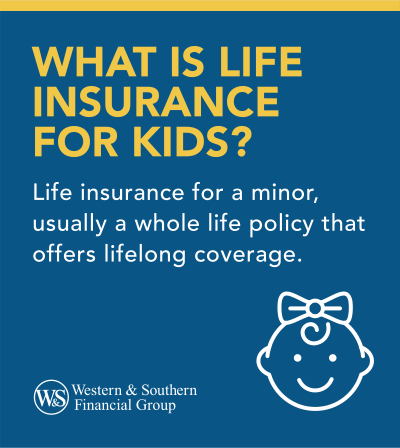
Child life insurance is a policy taken out on a minor, often by parents or grandparents. The most common type is whole life insurance, which means the coverage lasts as long as premiums are paid. If the child passes away, the policy pays a benefit to the beneficiary (usually the parent).

Unlike adult life insurance, the goal isn’t to replace income. Instead, it’s about providing for final expenses, building a small savings value, and sometimes locking in future insurability if the child develops health issues later.
Why Do Parents Buy Life Insurance For Children?
Choosing life insurance for a child is a personal decision. Here are the main reasons families consider it:
- Covering Funeral Costs: No one wants to imagine losing a child, but funerals can be expensive. Insurance helps families avoid sudden financial stress during a tragic time.
- Securing Insurability: If a child develops a health problem, it could be hard or impossible for them to get insurance as adults. A policy bought early guarantees they can keep coverage for life.
- Building Cash Value: Whole life policies grow a cash value over time. This can become a small nest egg for college or emergencies.
- Gift for the Future: Some grandparents use child life insurance as a long-term gift. The child can take over the policy as an adult, which might be useful for future needs.
A less obvious benefit is emotional: some parents find comfort knowing they’ve prepared for the worst, even if they hope never to use it.
How Much Life Insurance Do Kids Need?
This is the big question—and the answer depends on your goals. Let’s break it down:
If You Want To Cover Funeral And Related Costs
The main practical reason for child life insurance is to pay for final expenses. In the US, the average funeral costs between $7,000 and $12,000. Add in travel, counseling, or time off work, and families may need more.
Typical coverage amounts for these needs:
- $10,000: Covers basic funeral and burial
- $25,000: Covers funeral plus extra expenses (travel, memorials)
- $50,000+: Covers higher-cost funerals or extra support
Most experts suggest $10,000–$25,000 as a minimum for just final expenses.
If You Want To Build Cash Value
Some parents choose higher coverage to grow cash value over time. The more coverage, the faster the cash value grows. Here’s an example:
| Coverage Amount | Estimated Cash Value at Age 18 |
|---|---|
| $10,000 | $1,500–$2,000 |
| $25,000 | $4,000–$5,500 |
| $50,000 | $8,000–$12,000 |
The actual numbers depend on the insurer, interest rates, and how long premiums are paid.
If You Want To Secure Future Insurability
Most child life policies allow you to add more coverage later, regardless of health. If this is your main goal, you may not need a large amount now. Focus on policies with a guaranteed insurability rider—this lets your child increase coverage at certain ages or life events (like marriage).
Comparing Coverage Amounts
Here’s a quick look at how common coverage levels fit family goals:
| Coverage Level | Best For | Monthly Cost (Estimate) |
|---|---|---|
| $10,000–$15,000 | Basic funeral, minimal savings | $4–$8 |
| $25,000 | Funeral + some cash value | $9–$12 |
| $50,000+ | Funeral, college fund, large gift | $15–$25 |
Premiums are low for young children, but the policy should match your family’s real needs—not just the highest number you can afford.
Factors That Affect How Much Coverage To Buy
Every family’s situation is different. Consider these factors before choosing a coverage amount:
Your Family’s Finances
If you have savings or other life insurance, you may need less coverage for your child. If you would struggle to pay for a funeral or take time off work, a larger policy can help.
Your Goals For The Policy
Are you buying just for funeral costs, or do you want to give your child a savings boost later? Higher coverage means higher cash value, but also higher premiums.
Health History
If your family has a history of genetic illnesses, securing insurability for your child can be wise. Even a small policy with a guaranteed insurability rider can be valuable.
Number Of Children
Some families buy policies for every child. If you have several children, it’s important to balance total costs against your budget.
Policy Type And Features
Whole life is the most common for kids, but some insurers offer term policies (temporary coverage) or special riders that add child coverage to a parent’s policy for a lower cost.

Common Mistakes When Buying Child Life Insurance
Many parents buy too much or too little coverage. Here are mistakes to avoid:
- Overestimating Needs: It’s easy to be convinced you need a large policy, but most families don’t need more than $25,000–$50,000.
- Ignoring Policy Features: Not all policies have the same riders or cash value growth. Compare policies carefully.
- Forgetting About Inflation: A $10,000 policy might seem enough now, but funeral costs may rise. Consider a bit more to be safe.
- Not Reading the Fine Print: Some policies have waiting periods or limits on cash value access. Always read the details before signing.
- Thinking of It as an Investment: While whole life policies do build value, returns are usually lower than other long-term investments.
A non-obvious insight: Many families don’t realize they can add a child rider to their own life insurance policy for less than a separate child policy. This can cover all children in the household for one low price.
How To Decide The Right Amount For Your Child
Deciding on a coverage amount isn’t one-size-fits-all. Here’s a step-by-step approach:
- Estimate Funeral and Medical Costs: Check local funeral costs. Add extra for travel, counseling, or other needs.
- Think About Cash Value Goals: Do you want the policy to help with college or emergencies? If so, higher coverage may be better.
- Consider Your Budget: Even small policies provide some protection. Choose an amount you can comfortably pay for many years.
- Look for Flexible Options: Choose policies with riders that let you increase coverage later if needed.
If you are unsure, talk to an experienced insurance agent. They can show you sample quotes and help you compare options.
Is Life Insurance For Kids Always Necessary?
This is a debated topic. Most financial experts agree that life insurance for children is not essential for every family. Adults usually need coverage more, especially if they provide income.
Here’s when it may make sense for your family:
- You want to guarantee future insurability due to health concerns.
- You can’t afford funeral costs out of pocket.
- You want a small savings or gift for your child’s future.
But if you have strong savings and emergency funds, you may not need a child policy at all.
Alternatives To Life Insurance For Kids
If your main goal is savings, there are other ways to help your child:
- 529 College Savings Plan: Grows tax-free for education expenses.
- Custodial Accounts (UGMA/UTMA): Lets you save and invest in your child’s name.
- High-Yield Savings Accounts: Simple, flexible, and earns more interest than traditional savings.
For pure insurance needs, some companies let you add a child rider to your own life policy, covering all children for a lower price.
Real-world Example
Let’s look at a typical family. The Johnsons have two kids, ages 5 and 8. They want enough insurance to cover funeral costs and a small savings value for each child’s future.
- They choose $25,000 coverage per child.
- Premiums are $10/month per child.
- At age 18, each policy’s cash value is about $4,000.
If nothing happens, the children can keep the policies or use the cash value for college or emergencies.
How To Buy Life Insurance For Kids
- Compare Companies: Look for strong financial ratings and clear policy details.
- Request Quotes: Get estimates for different coverage amounts.
- Check for Riders: Make sure the policy has options to increase coverage later.
- Review the Application: Most child policies require basic health info, but no medical exams.
- Pay Premiums: Keep up with payments to keep the policy active.
Don’t rush—ask questions and make sure you understand everything before buying.

Frequently Asked Questions
How Much Does Life Insurance For A Child Cost?
The cost depends on the child’s age, health, and the amount of coverage. For example, a $25,000 whole life policy for a healthy 5-year-old typically costs $8–$12 per month. Higher coverage or extra riders increase the price.
Can You Get Life Insurance For A Child With Health Problems?
Most companies accept healthy children with no questions asked. If your child has a serious medical condition, it may be harder, but some insurers offer guaranteed issue policies or ask only simple health questions.
Does Cash Value In A Child Policy Grow Fast?
Child policies do build cash value, but growth is slow in the early years. Over 10–20 years, it can add up, but don’t expect big investment returns. Other savings vehicles may grow faster.
What’s The Difference Between A Child Rider And A Separate Child Policy?
A child rider adds coverage for all your children under your own life policy, usually for a low fee. A separate policy is in the child’s name and builds its own cash value. Riders are cheaper, but don’t build cash value or last past age 25.
Where Can I Learn More About Life Insurance Basics?
For more information on how life insurance works, visit the Insurance Information Institute.
Final Thoughts
Life insurance for kids is not a must-have for every family, but it can offer peace of mind and a small financial cushion. The right amount depends on your goals—whether you want to cover funeral costs, secure insurability, or build a savings fund.
Most families choose between $10,000 and $50,000 of coverage. Remember, the best policy is one you can afford and understand. Take your time, weigh your options, and choose what fits your family’s unique needs.