
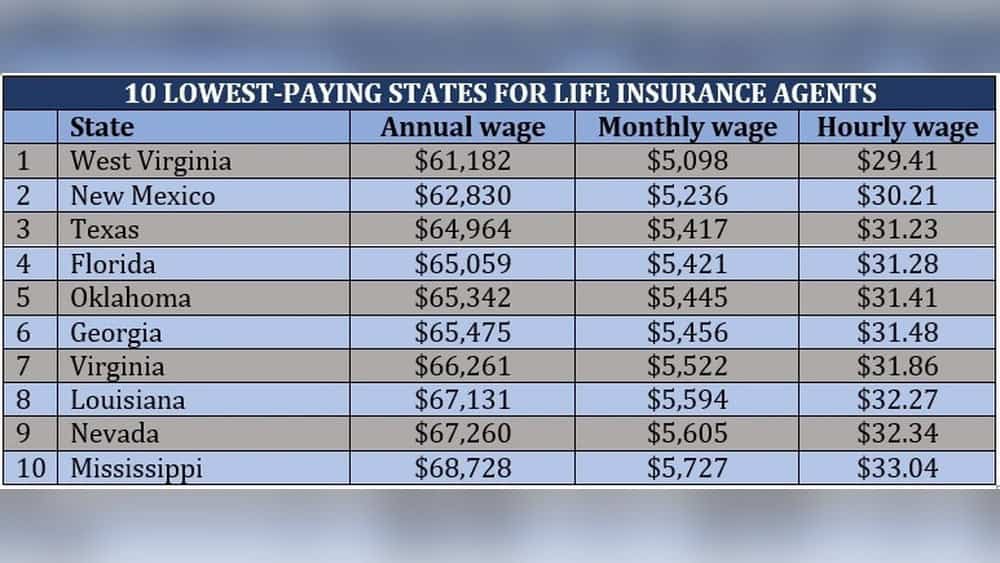
Understanding how life insurance brokers get paid can help you make smarter decisions when buying a policy. Many people trust brokers for advice, but few know exactly how these professionals earn their income. This lack of knowledge sometimes leads to confusion, or even mistrust.
But the truth is not as mysterious as it may seem. The payment system is designed to reward brokers for helping clients, but it can also affect their recommendations. If you want to be confident while working with a broker, it’s important to know the details.

This article will break down how life insurance brokers get paid, explain the different commission structures, and show you what it means for your policy and your wallet.
What Is A Life Insurance Broker?
A life insurance broker is a licensed expert who helps people find and buy life insurance. Unlike agents who work for just one company, brokers can offer products from multiple insurers. This means they can compare different policies and find one that fits your needs. Brokers represent the buyer, not the insurance company.
Brokers must pass state exams and keep their licenses current. They know about many types of life insurance, such as term life, whole life, and universal life. Many brokers also help with things like health insurance or annuities, but in this article, we’ll focus on life insurance.
How Do Brokers Get Paid?
Unlike regular employees, life insurance brokers do not earn a salary from an insurance company. Instead, their main income comes from commissions. These are payments from the insurance company, based on the policy you buy. The client usually does not pay the broker directly.
Commission Payments
When a broker sells a life insurance policy, the insurance company pays them a commission. This commission is usually a percentage of the first year’s premium, and sometimes a smaller percentage for the next few years. The exact amount depends on the type of policy and the insurance company’s rules.
Here is a simple example:
- If you buy a $500,000 term life policy and the annual premium is $1,000, the broker might earn 50% of the first year’s premium ($500). In future years, the broker might earn 3% to 5% of your annual premium as a smaller, ongoing payment.
How Commissions Are Structured
Commissions can be complex. Here’s how they often work:
- First-year commission: The largest payment, usually 40% to 100% of the first year’s premium.
- Renewal (or trail) commission: Smaller payments, usually 2% to 10% of future annual premiums, as long as the policy stays active.
The exact percentages depend on the insurance company, the type of policy, and the broker’s agreement. Sometimes, the commission for whole life or permanent policies is higher than for term life.
Advanced Commissions
Some brokers get advanced commissions, which means they receive several years of commission upfront when the policy is sold. For example, if a broker expects to earn $100 per year for 5 years, the insurance company might pay $500 right away. But if the policy is canceled early, the broker might have to pay back some of that money.
Bonuses And Incentives
Insurance companies often offer bonuses to brokers who sell a high number of policies or reach a sales target. These bonuses can be cash, trips, or other rewards. While these incentives can motivate brokers, they may also influence which products they recommend.
Do Brokers Charge Fees?
Most life insurance brokers do not charge a direct fee to clients. Their income comes from commissions paid by the insurance company. However, a few brokers may charge a consultation fee, especially if they are acting as a fee-only advisor. Always ask your broker if there are any direct fees before you start working together.

How Commission Structures Affect Broker Recommendations
Understanding broker commissions is not just about numbers. It also explains why some brokers might recommend certain policies over others.
Incentives And Conflicts Of Interest
If a broker earns a higher commission from one policy, they might be more likely to suggest it, even if another policy is better for you. For example, permanent life insurance policies often pay higher commissions than term life. This can lead to a conflict of interest. A good broker will put your needs first, but it’s wise to ask questions about why a certain policy is being recommended.
Comparing Policy Commissions
To give you a clearer picture, here’s a comparison of typical commission rates for different life insurance products:
| Policy Type | First-Year Commission (% of Premium) | Renewal Commission (% of Premium) |
|---|---|---|
| Term Life Insurance | 40% – 80% | 2% – 5% |
| Whole Life Insurance | 60% – 100% | 5% – 10% |
| Universal Life Insurance | 60% – 90% | 3% – 8% |
As you can see, permanent policies often have higher commission rates. This is one reason why some brokers focus on selling these products.
Non-obvious Insight: Policy Size Matters
Many people think only the type of policy matters, but the policy size (the amount of coverage) also changes the broker’s commission. Larger policies mean bigger commissions, even if the commission rate is the same. This is why some brokers may encourage you to buy more coverage than you need.
Non-obvious Insight: Persistency Bonuses
Insurers may reward brokers for policy persistency—when clients keep their policies active for many years. Brokers who keep clients happy and policies in force earn extra bonuses. So, a broker who truly helps you and gives good service benefits in the long run.
How Broker Compensation Differs From Captive Agents
It’s easy to confuse brokers with captive agents. Both sell insurance, but there are important differences in how they get paid and who they represent.
Brokers Vs. Captive Agents
- Life insurance brokers work for you, the client. They can offer policies from many insurance companies and help you compare options.
- Captive agents work for only one insurance company. They can only sell that company’s products.
Comparison Of Broker And Agent Compensation
Here’s a table to show the main differences:
| Aspect | Brokers | Captive Agents |
|---|---|---|
| Who they represent | Client | Insurance company |
| Product range | Multiple companies | One company |
| Compensation | Commissions from insurers | Salary + commissions |
| Advice | Unbiased (in theory) | Biased toward their company |
Because brokers are not tied to one insurer, they can give you more choices. But since both brokers and agents are paid by commission, both have incentives that can affect their advice.
Types Of Life Insurance Policies And Their Impact On Broker Earnings
Life insurance comes in many forms, and the type you choose affects how much your broker earns. Let’s look at the main types and how they impact broker pay.
Term Life Insurance
Term life is the simplest and often cheapest type of life insurance. It covers you for a set period, like 10, 20, or 30 years. If you die during that time, your family gets a payout. If not, coverage ends and you get nothing back. Commissions for term life are generally lower than for permanent policies, but because these policies are simple and affordable, brokers can sell more of them.
Whole Life Insurance
Whole life is a permanent policy. It covers you for your entire life and includes a savings part called cash value. Premiums are higher, and so are broker commissions. The first-year commission can be up to 100% of your first year’s premium.
Universal Life Insurance
Universal life is another permanent policy, but it’s more flexible than whole life. You can adjust your premiums and coverage. Commissions are usually high, but the structure can be complex, especially for advanced policies like Indexed Universal Life (IUL) or Variable Universal Life (VUL).
Final Expense Insurance
Final expense or burial insurance covers small amounts, usually $5,000 to $25,000, to pay for funeral costs. Since premiums and coverage amounts are low, broker commissions are smaller, but these policies are easier to sell.
Group Life Insurance
Employers often offer group life insurance as a benefit. Brokers who set up these plans can earn commissions, but the rates are lower because group policies are cheaper and cover many people at once.
Table: Policy Types, Premiums, And Typical Broker Compensation
| Policy Type | Average Annual Premium | Broker’s First-Year Commission |
|---|---|---|
| Term Life ($500,000, 20 years, Male, Age 35) | $350 | $140 – $280 |
| Whole Life ($500,000, Male, Age 35) | $4,500 | $2,250 – $4,500 |
| Universal Life ($500,000, Male, Age 35) | $3,000 | $1,800 – $2,700 |
| Final Expense ($15,000, Age 65) | $600 | $240 – $600 |
These numbers can vary by state, insurer, and the broker’s agreement, but they offer a general idea.
Legal And Regulatory Requirements
Life insurance broker compensation is not a “wild west. ” There are laws and rules to protect consumers.
State Regulations
Each U. S. state has its own insurance department that sets rules for broker licensing and conduct. Brokers must pass exams, follow ethical standards, and disclose any conflicts of interest. Most states require brokers to tell clients how they get paid if asked.
Federal Oversight
Some federal laws, like the Truth in Lending Act, require clear disclosure of fees and commissions in certain cases. The National Association of Insurance Commissioners (NAIC) also creates model rules, though states decide how to use them.
Disclosure Requirements
- Brokers must tell you if they are getting extra compensation for selling a certain policy.
- They must not mislead you about their relationship with insurers.
- If you ask, a broker must explain how and how much they are paid.

Pros And Cons Of Working With A Commission-based Broker
Like most things in life, there are upsides and downsides to working with a broker who gets paid by commission.
Pros
- No direct cost to you: You usually don’t pay the broker out of pocket.
- Expert guidance: Brokers know the market and can help you compare policies.
- Access to multiple insurers: You get more options than with a captive agent.
Cons
- Potential bias: Some brokers may push products with higher commissions.
- Complexity: Commission structures can be confusing, making it hard to know if you’re getting the best deal.
- Policy churn: A few unethical brokers might encourage you to switch policies often to earn more commissions, which can hurt your coverage.
How To Choose A Trustworthy Life Insurance Broker
Finding a broker who puts your needs first is possible if you know what to look for.
Tips For Finding The Right Broker
- Ask about compensation: A trustworthy broker will explain how they get paid.
- Check credentials: Make sure the broker is licensed in your state.
- Look for reviews: Check online reviews or ask friends for recommendations.
- Demand clear explanations: The broker should explain why they recommend a certain policy.
- Watch for pressure: Avoid brokers who push you to buy quickly or upsell expensive policies without good reasons.
Red Flags To Watch For
- The broker avoids questions about commissions.
- They recommend only one or two types of policies.
- They rush you to sign documents.
- They do not provide written quotes from several companies.
If you see these warning signs, consider finding another broker.
Non-commission Alternatives: Fee-only And Hybrid Models
Some clients want advice without worrying about commissions. A few brokers and advisors offer fee-only or fee-based models.
- Fee-only brokers charge you directly for their advice, usually by the hour or as a flat fee. They do not accept commissions from insurers.
- Fee-based brokers may charge both fees and accept commissions.
Fee-only brokers are rare in life insurance, but they can be a good choice if you want completely unbiased advice. You pay for their time, but you know their recommendations are not based on commissions.
The Real Impact On Your Policy Cost
A common worry is that broker commissions make your policy more expensive. In most cases, this is not true. Insurance companies build commission costs into their pricing, so you pay the same premium whether you use a broker or buy directly from the insurer.
However, if a broker convinces you to buy a bigger or more complex policy than you need, you could end up paying more over time. That’s why it’s important to work with a broker you trust and to understand your own needs.
What You Should Ask Your Broker
Before you buy, ask these questions:
- How much commission will you earn if I buy this policy?
- Do you get bonuses or extra incentives for selling this policy?
- Can you show me quotes from at least three different insurers?
- Why do you recommend this type of policy for me?
- Are there lower-cost options that still meet my needs?
A good broker will be open and transparent with their answers.
The Role Of Technology In Broker Compensation
The world of life insurance is changing. Online broker platforms now help people compare quotes and buy policies digitally. These platforms often earn commissions like traditional brokers, but the process is faster and sometimes more transparent. Some online brokers show commission details up front, making it easier for you to see how they get paid.
Still, no matter how you buy, commissions are part of the system. The key is to know how they work and what they mean for your choices.
Useful External Resource
For more in-depth information about insurance broker compensation, you can visit the National Association of Insurance Commissioners.
Frequently Asked Questions
How Much Commission Does A Life Insurance Broker Make?
The amount varies. For a term life policy, a broker might earn 40% to 80% of your first year’s premium. For whole life, it can be up to 100%. Renewal commissions are much smaller, often 2% to 10% of the annual premium.
Do I Pay More If I Use A Broker?
Usually, no. Insurance companies include the broker’s commission in the price, so you pay the same premium whether you use a broker or go direct. But if a broker pushes you to buy more coverage than needed, you could pay more overall.
Can I Ask My Broker About Their Commissions?
Yes. In most states, brokers must tell you how they get paid if you ask. A good broker will answer clearly and honestly.
Why Do Some Brokers Recommend Permanent Life Insurance Over Term?
Permanent policies pay higher commissions. Some brokers may prefer to sell them for this reason. However, permanent life may be right for you if you need lifelong coverage or want to build cash value.
Are There Any Fee-only Life Insurance Brokers?
There are some, but they are rare. Most brokers work on commission. Fee-only brokers charge you directly for their advice and do not accept commissions from insurers.
When you understand how life insurance brokers get paid, you can make better choices and find the right coverage for your needs. Always ask questions and work with someone you trust. The right broker should help you protect your family, not just earn a commission.