

Can Life Insurance Be Used For Funeral Expenses?
Losing someone you love is never easy. Besides the emotional pain, there are practical matters that must be handled. One of the biggest worries for many families is paying for funeral costs. Funerals in the United States can cost anywhere from $7,000 to $12,000, sometimes even more. Many people wonder if life insurance can help cover these expenses. If you are new to life insurance or funeral planning, this article will guide you through the basics, show how life insurance works for funerals, and help you avoid common mistakes.
How Life Insurance Works
A life insurance policy is a contract between you and an insurance company. You pay a regular amount, called a premium. If you die while the policy is active, the company pays a lump sum to your chosen person, called a beneficiary. This money is known as the death benefit.

The beneficiary can use the death benefit for any purpose. It is not restricted. This means funeral expenses, unpaid bills, mortgage payments, or even everyday living costs.
Types of Life Insurance:
- Term life insurance: Covers you for a set period (like 10, 20, or 30 years). If you die during this period, your beneficiary gets the death benefit.
- Whole life insurance: Stays active for your entire life if you keep paying premiums. It also builds cash value over time.
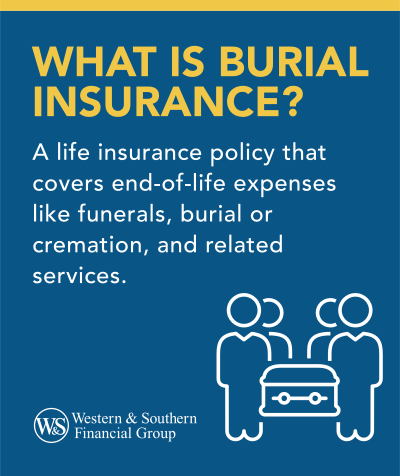
- Final expense insurance: Also called burial or funeral insurance. It is a small policy meant only for funeral and burial costs.
Most policies, especially final expense insurance, are designed to help pay for funerals. But even regular term or whole life policies can be used for this purpose.
Using Life Insurance For Funeral Expenses
When someone dies, their beneficiary can file a claim with the insurance company. After the claim is approved, the company pays out the death benefit. The beneficiary can then use this money to pay for the funeral.
Here is a simple example:
- John has a $50,000 term life insurance policy.
- He names his wife as the beneficiary.
- When John dies, his wife receives $50,000.
- She uses $10,000 for funeral costs, and the rest for other needs.
The key point is that the death benefit is flexible. There is no rule that says it must be used only for the funeral. But many families use part of the payout for this reason.
Average Funeral Costs In The Us
Let’s look at typical costs for a funeral. This can help you understand how much coverage you might need.
| Item | Average Cost (USD) |
|---|---|
| Funeral service | $2,000 |
| Casket | $2,500 |
| Burial plot | $1,500 |
| Headstone | $1,000 |
| Flowers | $300 |
| Other fees | $700 |
| Total | $8,000 |
Knowing these costs, it is clear that even a small life insurance policy can help cover funeral expenses.
Types Of Life Insurance Policies For Funeral Expenses
There are several types of policies that can be used for funerals. Some are more common than others.
Term Life Insurance
This is one of the most popular types. It is simple and affordable. You buy coverage for a set number of years. If you die during that time, the payout goes to your beneficiary. The death benefit can be used for funeral costs.
Whole Life Insurance
This policy lasts your whole life. It is more expensive, but it builds cash value you can borrow from. The death benefit is also flexible and can be used for funerals.
Final Expense Insurance
This policy is made especially for funeral costs. It usually offers coverage from $2,000 to $25,000. The premiums are lower, and approval is often easier, even for older people or those with health issues.
Comparison Of Policy Types
Here is a quick comparison to help you choose the right policy:
| Policy Type | Coverage Amount | Premium Cost | Best For |
|---|---|---|---|
| Term Life | $50,000–$1,000,000+ | Low | Young families, budget buyers |
| Whole Life | $10,000–$1,000,000+ | High | Long-term planning, cash value |
| Final Expense | $2,000–$25,000 | Low–Medium | Seniors, funeral coverage |
How To Make Sure Life Insurance Covers Funeral Expenses
Buying life insurance is not enough. You need to plan so the money can be used for funeral expenses.
1. Choose The Right Beneficiary
The beneficiary is the person who will receive the payout. If you want the money to be used for funeral costs, choose someone you trust. You can also name a funeral home as a beneficiary, but this is less common.
2. Communicate Your Wishes
Tell your beneficiary that you want part of the payout to cover funeral costs. Write it down in your will or estate plan. This avoids confusion and delays.
3. Keep Policy Details Updated
Make sure the insurance company has the correct contact information for your beneficiary. If the beneficiary cannot be found, the payout may be delayed.
4. Understand Claim Process
After death, the beneficiary must file a claim with the insurance company. This usually involves:
- Filling out a claim form
- Providing a copy of the death certificate
- Waiting for the company to approve and pay the claim
Most claims are paid within 30 days, but it can take longer if there are problems.
Claim Processing Times By Policy Type
Here is a quick look at how long claims usually take:
| Policy Type | Average Claim Time |
|---|---|
| Term Life | 2–4 weeks |
| Whole Life | 3–6 weeks |
| Final Expense | 1–3 weeks |
Many beginners miss that final expense insurance often pays faster because the coverage is smaller and the claim process is simpler.
What Happens If There Is No Life Insurance?
If there is no life insurance, families must pay for funeral costs from savings or borrow money. Some people use credit cards or take out loans. In some cases, government programs may help, but support is limited.
One insight many people overlook: prepaid funeral plans can lock in prices and reduce stress. However, they do not offer flexibility like life insurance. With insurance, beneficiaries can use the money for any need.
Common Mistakes To Avoid
When using life insurance for funeral expenses, beginners often make these mistakes:
- No communication with beneficiary: If your wishes are not clear, the beneficiary may not use the payout for the funeral.
- Not updating policy: If you forget to update your beneficiary, the money may go to the wrong person.
- Underestimating costs: Many people buy small policies, not realizing how expensive funerals can be.
- Delaying claim filing: Waiting too long to file a claim can delay the funeral.
- Not understanding waiting periods: Some policies have a waiting period before they pay out, especially final expense policies bought late in life.

Practical Tips For Beginners
- Check your local funeral costs before buying a policy.
- Compare different types of life insurance to see which fits your needs.
- Review your policy every few years and update your beneficiary if needed.
- If you are worried about claim delays, ask about fast payout options.
- Consider final expense insurance if your main goal is covering funeral costs.
A common mistake is thinking the insurance payout comes instantly. In reality, it can take a few weeks, so having some cash saved can help with immediate expenses.
Real-life Example
Maria, age 65, bought a final expense policy for $10,000. She named her daughter as the beneficiary. When Maria passed away, her daughter filed a claim and received the money in two weeks. She paid for Maria’s funeral and had enough left for small debts.
Because Maria planned ahead and explained her wishes, the process was smooth.
Legal And Tax Considerations
Life insurance payouts are usually tax-free for the beneficiary. However, if the money goes to the estate, it may be subject to estate taxes. It is safer to name a person as the beneficiary.
Also, some states have rules about funeral costs and insurance payouts. If you have questions, talk to a local insurance agent or lawyer. For more details, you can visit the official National Association of Insurance Commissioners website.
Frequently Asked Questions
What Is The Best Type Of Life Insurance For Funeral Expenses?
Final expense insurance is made for funeral costs. It is easy to get and pays quickly. But term or whole life policies also work if you want more coverage.
How Fast Can The Insurance Payout Be Used For A Funeral?
Usually, the payout arrives in 1–4 weeks after the claim is filed. Final expense policies often pay faster. It depends on the company and if paperwork is complete.
Can I Name A Funeral Home As The Beneficiary?
Yes, you can. Some people do this to make sure the money goes directly to pay for the funeral. However, most people name a family member instead.
Is Life Insurance Payout Taxable?
For most people, the life insurance payout is tax-free. But if it goes to your estate, there may be taxes. It is best to name a person as the beneficiary.
What Happens If My Policy Is Not Enough For The Funeral?
If the payout is less than the funeral cost, your family will have to cover the rest. It is smart to check local prices and buy enough coverage.
Planning for funeral expenses is not easy, but life insurance can make things simpler. With the right policy and clear communication, you can protect your family from financial stress during a difficult time. Remember, a little planning now can save a lot of worry later.