
Life Insurance Does Vaping Count As Smoking
Life insurance is something people buy to protect their family and loved ones if something happens to them. When applying, you need to answer questions about your health, habits, and lifestyle. One question that often confuses people is about vaping. Many wonder, does vaping count as smoking for life insurance? This article explains what insurance companies think about vaping, how it affects your rates, and what you should know before you apply.
How Life Insurance Defines Smoking
Insurance companies want to know if you smoke because smoking increases health risks. It leads to higher chances of cancer, heart disease, and other problems. So, if you smoke, your life insurance will cost more.

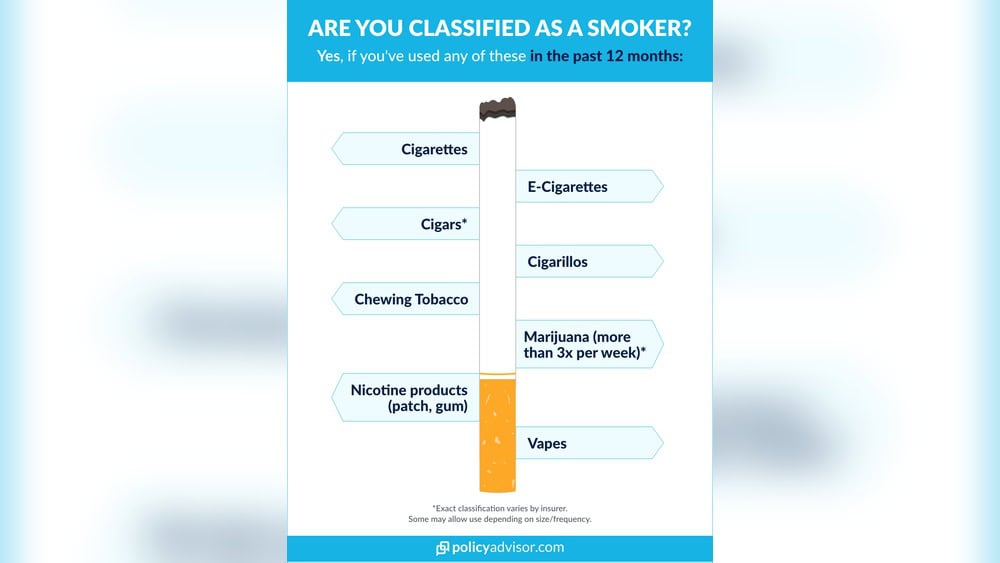
Most companies use a simple rule: If you use any nicotine products, you are a smoker. This includes:
- Cigarettes
- Cigars
- Pipes
- Chewing tobacco
- Vaping devices (e-cigarettes)
Even if you only vape, companies often treat you as a smoker. They ask about any nicotine use in the past 12 months. If you answer yes, you usually get the smoker rate.
Why Vaping Is Treated Like Smoking
Many people think vaping is safer than smoking. Vaping does not burn tobacco, so it does not produce smoke. However, it still delivers nicotine, which is addictive and harmful. Insurance companies see vaping as a health risk for these reasons:
- Vaping can cause lung problems.
- Nicotine affects your heart and blood pressure.
- There is not enough long-term research on vaping safety.
Insurers prefer to be cautious. They count vaping as smoking because it involves nicotine and health risks.
How Vaping Affects Life Insurance Rates
If you vape, you usually pay higher rates like smokers. Let’s see how big the difference can be.
| Age | Non-Smoker Monthly Rate | Smoker/Vaper Monthly Rate | Coverage Amount |
|---|---|---|---|
| 30 | $30 | $80 | $250,000 |
| 40 | $45 | $120 | $250,000 |
| 50 | $70 | $200 | $250,000 |
As you can see, smoker rates are often two to three times higher. Vapers are almost always given smoker rates, even if they never smoked cigarettes.
Questions Life Insurance Companies Ask About Vaping
When you apply, companies will ask about your nicotine use. Here are some common questions:
- Have you used any nicotine products in the past 12 months?
- What type of product do you use: Cigarettes, e-cigarettes, cigars, etc. ?
- How often do you use them?
- When did you last use a nicotine product?
- Do you plan to quit vaping or smoking?
Your answers affect your rates. If you say you use e-cigarettes, you will likely get smoker rates. If you quit and have not used nicotine for at least a year, you may qualify for non-smoker rates.
How Insurers Detect Nicotine Use
Some people think they can hide their vaping habit. Insurance companies use several ways to check:
- Medical exams: You may be asked to give a blood or urine sample. These tests can detect cotinine, a chemical from nicotine.
- Application questions: You must answer truthfully. If you lie and are caught, your policy can be canceled.
- Medical records: Insurers may check your health records for nicotine use.
If you test positive for cotinine, you get smoker rates—even if you only vape.
Vaping Vs Smoking: Health Risks And Insurance Views
You might wonder, is vaping really as risky as smoking? Medical research says vaping is less harmful than smoking traditional cigarettes, but it still carries risks. For insurance purposes, both are treated almost the same.
| Factor | Smoking | Vaping |
|---|---|---|
| Nicotine delivery | Yes | Yes |
| Lung cancer risk | High | Unknown |
| Heart disease risk | High | Possible |
| Long-term studies | Many | Few |
| Insurance rate | Smoker | Smoker |
Insurers rely on clear data. Since vaping is new and not enough long-term studies exist, they consider it risky and charge higher rates.
What Happens If You Lie About Vaping
Some people think about hiding their vaping when applying for life insurance. This is a big mistake. If you lie and your insurer finds out, your policy can be canceled. Worse, your family may not get the payout after your death.
Insurance companies check for honesty by:
- Reviewing your medical history
- Doing medical tests
- Asking follow-up questions
If you die and your records show you used nicotine, but you said no, your claim can be denied. It’s always better to be honest.
How To Qualify For Non-smoker Rates After Vaping
If you stop vaping and avoid nicotine for at least 12 months, most insurers will consider you a non-smoker. This can save you a lot of money. Here are steps to qualify for better rates:
- Quit vaping completely.
- Stay nicotine-free for at least 12 months.
- Apply for a new policy or ask your insurer to review your rate.
- Pass a medical test showing no nicotine in your system.
Some insurers may require a longer waiting period, but most use 12 months. If you show you are nicotine-free, you can get non-smoker rates.
Alternatives For Vapers: What Are Your Options?
If you vape and want life insurance, you have some choices:
- Apply for a policy with smoker rates: You can get coverage, but it will cost more.
- Wait until you are nicotine-free: Quit vaping and apply after 12 months.
- Look for insurers with flexible rules: Some companies may offer better rates to people who only vape. However, these are rare.
- Consider accidental death insurance: This is cheaper and does not ask about smoking, but it only covers accidents.
Some online insurers and smaller companies may ask more detailed questions about vaping. If you only vape and do not smoke, ask if they have special rates. Most big companies do not, but it is worth checking.
Real-life Example: Vaping And Life Insurance Application
Let’s look at a real scenario. John is 35 years old and vapes daily. He applies for a $500,000 life insurance policy.
- The insurer asks if he has used nicotine in the past 12 months.
- John answers yes and says he vapes.
- He takes a medical test. His urine shows cotinine.
- He is given smoker rates: $115 per month.
- If John had not vaped for 12 months, his rate would be $45 per month.
This shows how much vaping can affect your costs.

Industry Statistics And Trends
Vaping is becoming more common. According to the CDC, about 4. 5% of adults in the US use e-cigarettes. Insurance companies are noticing this trend.
- Over 90% of life insurers treat vaping as smoking.
- Only a few companies may offer special rates for vapers, but these are rare and usually require no nicotine.
- Smoker rates are often 2-3 times higher than non-smoker rates.
As vaping grows, some companies may change their rules. For now, most treat vapers as smokers.
Vaping Without Nicotine: Does It Matter?
Some people vape without nicotine. They use flavored liquids with no nicotine. Will insurance companies count this as smoking?
- If you vape without nicotine, some insurers may give you non-smoker rates.
- You must prove your liquids have no nicotine.
- Medical tests should show no cotinine.
- Always ask your insurer about their policy.
This is a rare case. Most vapers use nicotine, so most are rated as smokers.

Comparing Life Insurance Options For Vapers
If you vape, choosing the right policy matters. Here is a quick comparison of your main choices:
| Option | Cost | Coverage | Requirements |
|---|---|---|---|
| Apply now (smoker rates) | High | Full | Nicotine test |
| Wait 12 months after quitting | Low | Full | No nicotine use |
| Accidental death policy | Low | Limited | No health questions |
| Find flexible insurer | Medium | Full | Detailed questions |
Think about your needs, budget, and how soon you need coverage.
Non-obvious Insights For Vapers
- Vaping frequency matters less than nicotine presence: Even occasional vaping leads to smoker rates if nicotine is detected. Companies do not care if you vape daily or once a week; the key is nicotine in your system.
- Switching to nicotine-free vaping can help: If you can prove you use only nicotine-free liquids, you might get non-smoker rates. Keep records and ask for a medical test to show no cotinine.
- Some insurers update rules slowly: As vaping becomes more common, insurers may change their approach. For now, most stick to old rules. Stay informed and check yearly for policy updates.

What To Do If You Want Better Rates
If you are a vaper and want lower life insurance rates, follow these steps:
- Quit vaping or switch to nicotine-free liquids
- Wait at least 12 months before applying for new coverage
- Ask your insurer if they have special rates for vapers
- Keep records of your nicotine-free period
- Be honest on your application
You can also talk to an insurance agent for help. They know which companies are more flexible.
External Resource
For more details about how insurers view vaping and smoking, check this page from the CDC: CDC – E-cigarettes.
Frequently Asked Questions
Does Vaping Always Count As Smoking For Life Insurance?
Yes, in most cases. If you use any nicotine product, including e-cigarettes, you are rated as a smoker. Only some companies may make exceptions for nicotine-free vaping.
How Much More Will I Pay If I Vape?
Smoker rates are often two to three times higher than non-smoker rates. For example, a $250,000 policy could cost $30 per month for a non-smoker, but $80 or more for a vaper.
Can I Get Non-smoker Rates If I Quit Vaping?
Yes. If you quit vaping and are nicotine-free for at least 12 months, most insurers will offer non-smoker rates. You may need to pass a medical test to prove it.
What Happens If I Lie About Vaping On My Application?
If you lie, your policy can be canceled. If you die and your records show nicotine use, your family may not get the payout. Always answer truthfully.
Are There Any Life Insurance Companies That Treat Vaping Differently?
A few smaller or newer companies may offer special rates for vapers, especially if you use nicotine-free liquids. However, most big insurers treat vaping as smoking.
Final Thoughts
Vaping is treated as smoking by nearly all life insurance companies. If you vape, expect to pay smoker rates, which are much higher. The most important rule is honesty—never hide your vaping habit. If you want lower rates, quit vaping and stay nicotine-free for at least a year.
Always check with your insurer for their latest rules. Remember, protecting your loved ones is more important than saving a few dollars. Make smart choices and stay informed.