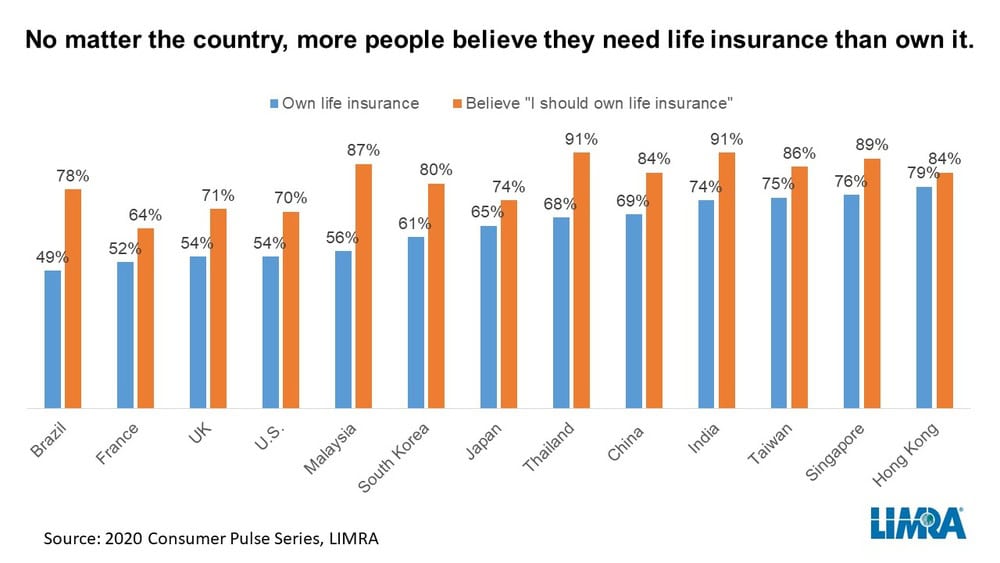
Life insurance is a topic that affects millions, yet many people don’t realize how widespread it truly is. Whether you live in a developed country or an emerging economy, the question of “How many people have life insurance in the world?
” is more complex than it seems. This article explores global statistics, regional differences, the reasons behind coverage gaps, and what the numbers mean for families and economies. If you’re curious about life insurance trends, who is covered, and why it matters, you’ll find clear answers here.

Global Life Insurance Coverage: Key Numbers
Let’s start with the big picture. According to the latest reports from the Swiss Re Institute, about 1.3 billion people worldwide have some form of life insurance. That sounds impressive, but it represents only around 17% of the global population (about 8 billion people). This coverage includes both individual and group policies.
Why isn’t coverage higher? There are many reasons: income levels, awareness, trust in insurance companies, and government support all play a role. In wealthy countries, life insurance is common; in poorer countries, it’s rare.
Life Insurance Penetration By Region
Here’s a quick look at coverage rates in different regions:
| Region | Estimated Life Insurance Coverage (%) | Population (Millions) |
|---|---|---|
| North America | 54 | 594 |
| Europe | 45 | 748 |
| Asia-Pacific | 15 | 4700 |
| Latin America | 9 | 653 |
| Africa | 4 | 1400 |
These numbers show huge differences. In North America, more than half of adults have life insurance. In Africa, only a small fraction do.
Why Do So Few People Have Life Insurance?
Many assume life insurance is a basic need, but several barriers keep coverage low:
- Cost: For many families, even small premiums are too expensive. In developing countries, insurance is often seen as a luxury.
- Awareness: People may not understand what life insurance is or why it matters.
- Trust: Some distrust insurance companies or fear claims won’t be paid.
- Access: In rural areas, insurance agents and products are hard to find.
- Regulation: Weak government regulation can make insurance risky or unreliable.
Non-obvious Insight: Cultural Values
In some regions, families rely on informal support networks, such as relatives or local communities. These cultural traditions can reduce demand for formal life insurance. For example, in parts of Asia and Africa, extended families help each other during crises, making insurance seem unnecessary.

Developed Vs. Developing Countries: A Comparison
The gap between rich and poor countries is striking. Here’s a comparison of life insurance penetration in selected countries:
| Country | Life Insurance Penetration (%) | Average Premium per Capita (USD) |
|---|---|---|
| United States | 60 | 2,600 |
| Japan | 70 | 3,300 |
| Germany | 55 | 1,800 |
| India | 17 | 55 |
| Nigeria | 2 | 5 |
Japan leads with high penetration and premium spending. In contrast, Nigeria is at the bottom, with very low coverage.
Second Non-obvious Insight: Group Policies Matter
In developed countries, many people are covered through group life insurance offered by employers. This makes coverage more accessible and affordable. In developing countries, jobs with benefits are rare, so group policies barely exist.
Types Of Life Insurance: What’s Included?
When counting life insurance holders worldwide, both individual policies and group policies are included. The most common types are:
- Term life insurance: Covers a set period, pays out if the insured dies during that time.
- Whole life insurance: Lasts the insured’s lifetime, often includes savings.
- Group life insurance: Offered by companies or organizations to employees or members.
Some countries count funeral insurance or micro-insurance as life insurance. Micro-insurance is popular in countries like India and Kenya, where premiums are low and coverage is basic.

How Life Insurance Affects Families And Economies
Life insurance does more than pay out after death. It protects families from sudden financial shocks, helps cover debts, and can even support children’s education. On a larger scale, insurance companies invest premiums in the economy, helping growth.
Example: The Role Of Life Insurance In The Us
In the United States, life insurance is a key part of family financial planning. According to the Life Insurance Marketing and Research Association (LIMRA), 54% of American adults own some type of life insurance. Many use policies to cover mortgages, college costs, or provide security for loved ones.
Trends And Changes In Global Life Insurance
Coverage is slowly increasing worldwide, but progress is uneven. Let’s look at some trends:
- Digital insurance: More people are buying policies online, especially in Asia.
- Micro-insurance: Very small, affordable policies are spreading in Africa and South Asia.
- New regulations: Governments are making insurance more trustworthy and accessible.
- Economic growth: As countries get richer, more people buy insurance.
Data Table: Global Life Insurance Trends (2010–2023)
| Year | Global Coverage (%) | Premium Growth (%) |
|---|---|---|
| 2010 | 14 | 2.1 |
| 2015 | 15 | 3.2 |
| 2020 | 16 | 4.4 |
| 2023 | 17 | 4.8 |
Growth is slow but steady. New technologies and rising income are making insurance easier to buy.
Why These Numbers Matter
Understanding how many people have life insurance is important for several reasons:
- Risk protection: Without insurance, families may fall into poverty after losing a breadwinner.
- Economic stability: Insurance companies are major investors and provide jobs.
- Social progress: Higher coverage means more people are financially secure.
Yet, the numbers also highlight problems. Billions remain uninsured, especially in poorer countries. This gap creates risks for families and entire economies.
Common Myths About Life Insurance
Some beliefs about life insurance are widespread but not true. Here are a few:
- “It’s only for rich people.” In reality, many affordable policies exist, especially micro-insurance.
- “I don’t need it if I’m young.” Life insurance is often cheapest for young people and can protect their families.
- “My employer’s policy is enough.” Group policies may not cover all needs; an individual policy can fill gaps.
Practical Tips For Increasing Life Insurance Coverage
If you want more people to have life insurance, consider these strategies:
- Education: Teach families about the benefits and basics of insurance.
- Affordable products: Offer low-cost policies for low-income groups.
- Digital access: Make it easy to buy online, even in rural areas.
- Government support: Strong regulation and incentives help build trust.
Real-world Examples
Let’s look at how some countries are closing the coverage gap:
- India: Micro-insurance schemes, such as the Pradhan Mantri Jeevan Jyoti Bima Yojana, offer basic coverage for less than $5 per year. Over 60 million people have joined.
- Kenya: Mobile technology lets people buy insurance with their phones. Products like M-TIBA reach millions who never had insurance before.
- Brazil: Banks and insurers partner to sell simple life policies to millions of new customers.
These examples show that innovation and targeted outreach can make a difference.
The Future Of Global Life Insurance
Many experts believe coverage will rise as incomes grow and technology advances. But success depends on closing the gap between rich and poor countries, building trust, and making products easy to understand.
If you want to learn more, the World Bank and organizations like LIMRA publish regular reports on insurance trends. For deeper statistics and analysis, see Wikipedia.
Frequently Asked Questions
How Many People Have Life Insurance In The World?
About 1.3 billion people worldwide have some form of life insurance. This is roughly 17% of the global population.
Which Country Has The Highest Life Insurance Coverage?
Japan has the highest coverage rate, with about 70% of adults owning life insurance. The United States and Germany also have high coverage.
Why Is Life Insurance Less Common In Developing Countries?
Main reasons include low income, lack of awareness, limited access, and trust issues with insurance companies. Government regulation may also be weak.
What Types Of Life Insurance Are Most Popular?
The most popular types are term life insurance, whole life insurance, and group life insurance. Micro-insurance is gaining popularity in poorer countries.
How Can More People Get Life Insurance?
Education, affordable products, digital access, and government support can help increase coverage. Simple policies and mobile technology are making insurance easier to buy.
Life insurance matters more than many realize. While coverage is rising, billions remain uninsured. Understanding global trends helps us see both the challenges and opportunities ahead. If you or your family don’t have life insurance, consider the benefits and seek trusted advice.
The world is changing, and being prepared can make all the difference.