
When you think about life insurance, one big question often comes to mind: How much does life insurance cover? This is not just about a number. It’s about peace of mind for your family and a safety net for their future. For many people, life insurance is the first step in creating a secure financial plan. But understanding what life insurance really covers, how coverage amounts are set, and what factors can change your coverage can be confusing—especially if you’re new to the topic or if English is your second language.
In this article, you’ll discover what life insurance coverage means, the typical amounts people buy, the different types of policies, and how to choose the right coverage for your needs. We’ll also look at real numbers, common mistakes, and tips that most beginners miss.

By the end, you’ll know exactly what to expect from a life insurance policy—and how to make smart choices for you and your loved ones.
What Does Life Insurance Cover?
Life insurance is a contract. You pay a company (called an insurer) a set amount of money, and in return, the insurer promises to pay your family or another chosen person (the beneficiary) a sum of money if you die while the policy is active. This money is called the death benefit.
The main things a life insurance policy covers are:
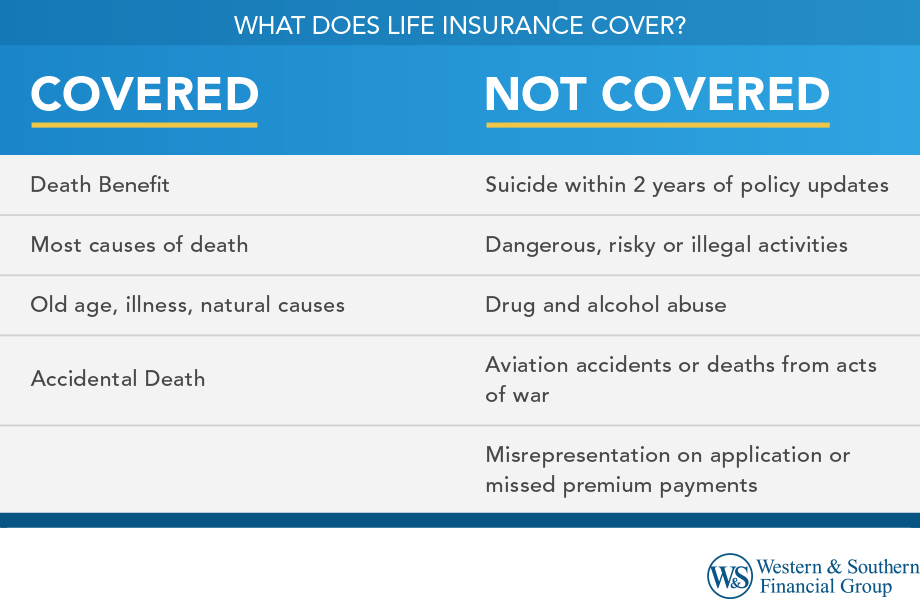
- Death due to illness or accident: Most policies pay for death from almost any cause, except the ones specifically excluded.
- Terminal illness: Some policies allow you to access part of the money early if you are diagnosed with a terminal illness.
- Funeral costs: The payout can help cover funeral, burial, or cremation expenses.
- Family living expenses: The money can replace your income, pay for mortgage or rent, children’s education, and everyday bills.
But life insurance does not cover everything. Most policies do not pay for:
- Suicide (within the first 1-2 years of the policy)
- Death from illegal activities or risky hobbies (like skydiving, unless you pay extra)
- Death from war or terrorism (some policies exclude this)
Non-obvious insight: Many people think life insurance only helps with funeral costs, but in reality, it is often used to pay off debts, keep children in school, or help a spouse stay in the family home.
How Much Does Life Insurance Usually Cover?
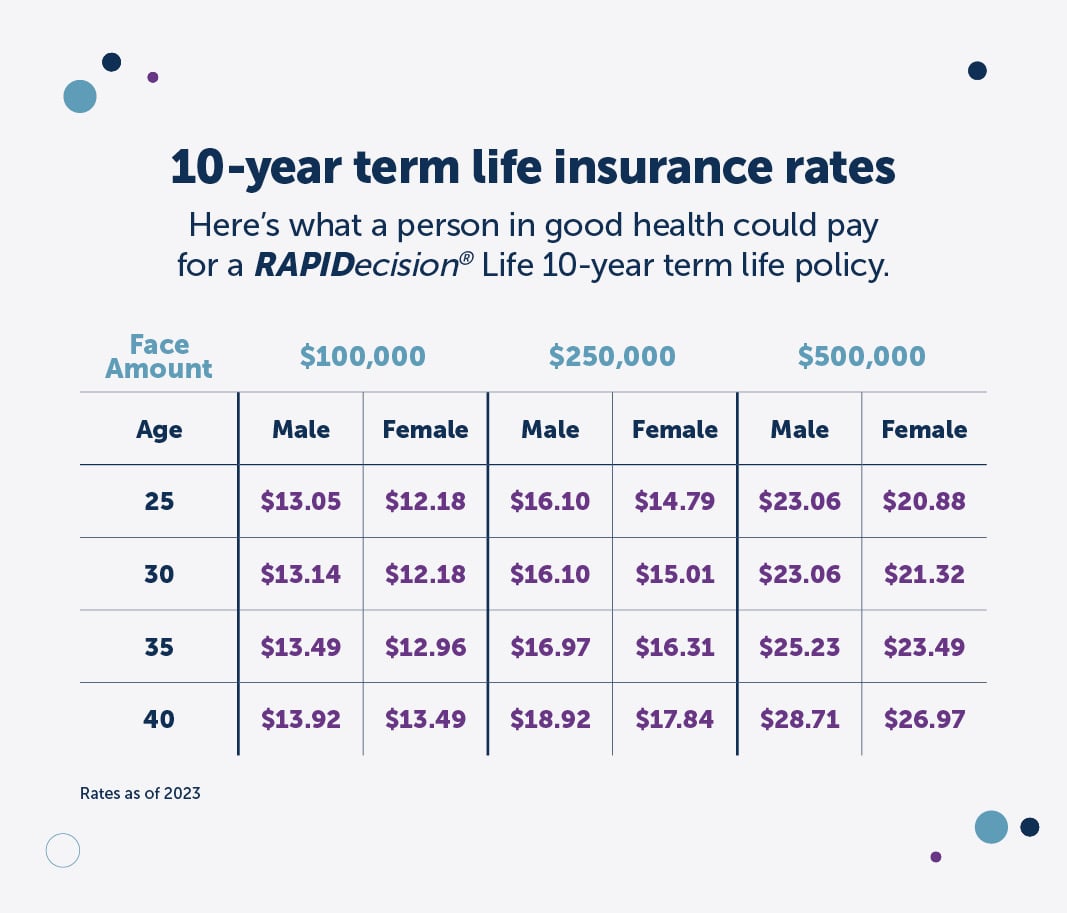
Coverage amounts can vary widely. There is no single “standard” coverage. Policies can be as small as $10,000 or as large as $10 million or more, depending on the person’s needs and what the insurer offers.
Here’s a quick look at common coverage amounts in the United States:
| Coverage Amount | Typical Buyers | Common Uses |
|---|---|---|
| $10,000 – $50,000 | Older adults, final expense buyers | Funeral costs, small debts |
| $100,000 – $500,000 | Young families, homeowners | Income replacement, mortgage |
| $500,000 – $2,000,000 | Professionals, families with children | Education costs, large debts, lifestyle support |
| $2,000,000+ | High earners, business owners | Estate planning, business protection |
Data point: According to the Life Insurance Marketing and Research Association (LIMRA), the average life insurance coverage in the US is about $183,780 per policy.
Types Of Life Insurance And Their Coverage
Not all life insurance policies are the same. The type of policy you choose will affect how much coverage you can get, how long it lasts, and how much you pay.
Term Life Insurance
Term life insurance offers coverage for a set period, such as 10, 20, or 30 years. If you die during that time, your family receives the payout. If you live past the term, the policy ends, and no money is paid.
- Coverage amounts: Usually $50,000 to $5 million
- Best for: People who want high coverage at a low price for a specific time (like while children are growing up or a mortgage is being paid)
Whole Life Insurance
Whole life insurance is a type of permanent policy. It lasts your entire life (as long as you pay the premiums) and also builds cash value you can borrow against.
- Coverage amounts: Usually $25,000 to $1 million, sometimes more
- Best for: People who want lifelong protection and a savings component
Universal Life Insurance
Universal life insurance is flexible. It lets you change your payments and coverage amounts over time. It also builds cash value.
- Coverage amounts: Usually $50,000 to $5 million
- Best for: People who want flexibility and potential investment growth
Final Expense Insurance
Final expense insurance is a small, simple policy meant to cover funeral and burial costs.
- Coverage amounts: Usually $5,000 to $50,000
- Best for: Older adults or people who only want to cover basic end-of-life expenses
Non-obvious insight: Some group life insurance through employers offers only 1-2 times your salary, which may be much less than what your family actually needs.
How Insurers Decide Your Coverage Limit
Insurance companies do not let everyone buy any amount they want. They look at several things before they approve your policy and set your coverage limit.
Key factors include:
- Your income and debts: Insurers want to make sure you are not over-insured. They may limit your coverage to 10–30 times your yearly income.
- Your age and health: Younger, healthier people can usually get higher coverage at lower prices.
- Policy type: Term policies often allow higher coverage amounts than whole life policies.
- Purpose of insurance: If you need the policy for a business loan or divorce settlement, you may need to show proof.
- Underwriting process: You may need to answer health questions or take a medical exam.
Here’s a simple comparison of how much coverage is usually available by policy type:
| Policy Type | Typical Coverage Range | Medical Exam Needed? |
|---|---|---|
| Term Life | $50,000 – $5,000,000+ | Often, but not always |
| Whole Life | $25,000 – $1,000,000+ | Usually |
| Final Expense | $5,000 – $50,000 | Rarely |
| No-Exam Term | $25,000 – $500,000 | No |
Important tip: If you want a very large policy (over $1 million), expect to provide proof of income, tax returns, and possibly more medical information.
How To Choose The Right Coverage Amount
Picking the right amount of coverage is one of the most important steps in buying life insurance. Too little, and your family may struggle. Too much, and you may overpay for years.
A common rule is to aim for 10 to 15 times your yearly income. But your needs may be higher or lower. Here’s a practical way to decide:
- Add up your family’s future expenses: This includes funeral costs, mortgage, children’s education, daily living costs, and any big debts.
- Subtract your assets: Include savings, investments, and any other life insurance.
- The result is your coverage gap: This is how much life insurance you may need.
Let’s see an example:
- Annual income: $50,000
- Mortgage left: $200,000
- Children’s education: $100,000
- Other debts: $25,000
- Funeral costs: $15,000
- Savings and assets: $60,000
Total needs: $50,000 x 10 (income) + $200,000 + $100,000 + $25,000 + $15,000 = $840,000
Minus Assets: $60,000
Estimated Coverage Need: $780,000
Non-obvious mistake: Many people forget to update their coverage when their life changes (new baby, new home, divorce). It’s smart to review your policy every 2-3 years.
What Can Reduce Or Increase Your Life Insurance Coverage?
A life insurance policy does not always stay the same from start to finish. Here are things that can change your coverage:
- Missed payments: If you stop paying, your policy may end, and your family gets nothing.
- Policy loans: If you borrow from the cash value and do not pay it back, your payout can be reduced.
- Riders and add-ons: You can buy extra features (like coverage for children or disability), which may increase your payout.
- Inflation protection: Some policies have an option to grow with inflation.
Tip: Always read your policy’s “exclusions” and “riders” pages. These tell you what is and isn’t covered.
Real-world Examples Of Life Insurance Coverage
To make things clearer, let’s look at a few common situations:
1. Single Parent With One Child:
Maria is 30 and earns $40,000 a year. She has a $200,000 term life policy for 20 years. If she dies, her child will get $200,000, enough to cover living costs and college expenses.
2. Married Couple With Mortgage:
David and Lisa have a $500,000 mortgage. They each buy $500,000 in term life coverage. If one dies, the other can pay off the home and cover bills for years.
3. Older Adult With No Dependents:
Ruth is 67 and buys a $15,000 final expense policy. If she passes away, her family can pay for her funeral without stress.
Non-obvious insight: Life insurance can also be used for business reasons. For example, business partners often buy policies on each other so the company can continue if one dies.
How To Apply And Get The Coverage You Need
Applying for life insurance is easier than most people think. Here are the usual steps:
- Research and compare: Look at different companies, policy types, and prices.
- Get a quote: You can do this online or with an agent.
- Fill out an application: You’ll give basic information about your health, job, and family.
- Medical exam (sometimes): For larger policies, you may need a quick health check.
- Wait for approval: The insurer reviews your application and decides how much coverage to offer and at what price.
- Sign and pay: Once you agree, your coverage starts when you pay your first premium.
Tip: If you have health issues, consider “guaranteed issue” or “no-exam” policies. The coverage is smaller, but you cannot be turned down.
For more detailed data and research, you can visit the Insurance Information Institute.

Frequently Asked Questions
How Much Does Life Insurance Usually Pay Out?
Payouts can range from $10,000 to several million dollars. The average individual policy in the US is about $183,780, but some people buy more or less based on their needs.
Can I Buy Too Much Life Insurance?
Yes. Insurers often limit coverage to a certain multiple of your income (10–30 times). Buying much more than you need can mean high premiums and wasted money.
Does Life Insurance Cover Death From Any Cause?
Most policies cover death from illness or accident. They usually do not cover suicide in the first 1–2 years, or deaths from illegal activities. Always check your policy’s exclusions.
How Do I Know If I Have Enough Coverage?
Add up your family’s future needs (income, debts, education, funeral), subtract your assets, and the difference is your coverage gap. Review your policy every few years as your life changes.
What If I Miss A Payment?
If you miss one payment, you usually have a “grace period” (about 30 days) to catch up. If you miss more, your policy could end, and you lose coverage.
—
Choosing the right life insurance coverage is one of the most caring things you can do for your loved ones. It’s not just about a number—it’s about making sure your family’s life can go on, even if you’re not there.
Take your time, ask questions, and don’t be afraid to get expert help. A well-chosen policy can bring you peace of mind for years to come.