
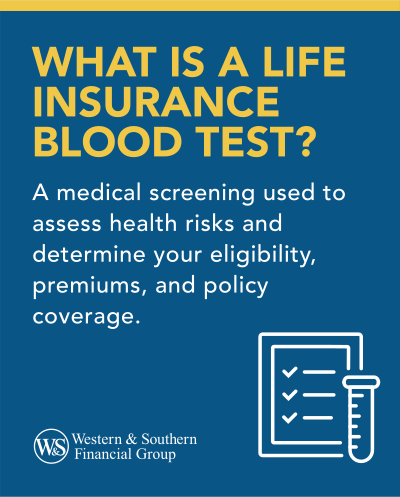
When you apply for life insurance, you might be surprised when the company asks for your blood and urine samples. Some people feel uncomfortable or even nervous about these tests. However, they are a normal part of the process for many life insurance policies, especially if you want high coverage or lower premiums.
Understanding why insurers require these samples can make the process less stressful and help you prepare.

Most people know life insurance is about protecting loved ones financially. But behind the scenes, companies need information to decide how much risk they are taking by insuring you. Blood and urine tests give insurers a clear, scientific look at your health—sometimes even better than you might know yourself.
Let’s dig into why these tests matter, what they reveal, and how they affect your application.
Why Do Life Insurance Companies Need Medical Tests?
Life insurance is a business of risk. The company promises to pay your beneficiaries if you pass away while the policy is active. To do this responsibly, they need to understand your current health and possible future risks. Medical tests, especially blood and urine exams, help insurers:
- Confirm the information you gave on your application
- Discover hidden health issues
- Predict your life expectancy more accurately
Most people are honest on their application. Still, some health problems do not show symptoms until later. Insurance companies cannot rely only on what applicants say or even on a basic medical checkup. Blood and urine tests help complete the picture.
What Do Blood And Urine Tests Check For?
Blood and urine are like windows into your body’s current state. They carry markers that reveal how well your organs are working and if you have certain diseases. Here’s what insurance companies usually look for:
Common Health Markers
1. Cholesterol And Lipids
High cholesterol increases the risk of heart disease and stroke. Blood tests measure different types of cholesterol and fats to see if your levels are healthy.
2. Blood Sugar (glucose)
High blood sugar can mean diabetes or prediabetes. Diabetes is a serious risk for life insurers because it increases the chance of early death.
3. Kidney And Liver Function
Blood and urine tests show how well your kidneys and liver are working. Problems here can reveal diseases you may not know about.
4. Nicotine And Tobacco Use
Insurers test for nicotine to check if you use tobacco. Smoking or using tobacco almost always means higher premiums.
5. Hiv And Hepatitis
These diseases can affect your life expectancy. Most companies test for HIV and sometimes hepatitis B or C.
6. Drug Use
Certain drugs—both prescription and illegal—affect your health. Insurers often screen for substances like cocaine, opiates, or marijuana.
7. Protein, Blood, Or Sugar In Urine
Finding these in your urine can signal kidney disease, diabetes, or other health problems.
Sample Blood And Urine Test Measurements
Here’s a look at some typical tests:
| Test Name | What It Checks | Why It Matters |
|---|---|---|
| Total Cholesterol | Fat in blood | High levels raise heart disease risk |
| Glucose | Blood sugar | High levels may indicate diabetes |
| Creatinine | Kidney function | High means possible kidney disease |
| Nicotine | Tobacco use | Impacts premium rates |
| Protein in Urine | Kidney health | May signal kidney damage |
Hidden Risks And Early Detection
Many people do not realize that blood and urine tests can find silent health problems. For example, liver disease or early diabetes may show up in your results even if you feel fine. This helps insurers avoid underestimating risk, but it can also help you catch health issues early.
How Do Results Affect Your Life Insurance Application?
After you provide your samples, the insurance company reviews the results carefully. The outcome can affect your policy in a few ways:
- Approval or Denial: If tests show serious health problems, the insurer might deny your application or offer a limited policy.
- Pricing: Healthier results usually mean lower premiums. Poor results (like high cholesterol or positive tobacco use) increase the price.
- Coverage Limits: Sometimes, the insurer will offer less coverage if your tests show higher risk.
Example: Non-smoker Vs. Smoker Premiums
Smokers pay much more for life insurance because of the health risks. Consider a 40-year-old male applying for a $500,000 policy:
| Applicant Type | Monthly Premium |
|---|---|
| Non-Smoker | $32 |
| Smoker | $125 |
This huge difference happens because blood and urine tests reveal the truth about tobacco use. Even if you say you do not smoke, the test will show otherwise.
What If You Refuse The Tests?
It is possible to get “no medical exam” life insurance policies, but they often cost more and offer less coverage. Here’s a brief comparison:
| Policy Type | Medical Tests Needed? | Typical Coverage Limit | Premium Cost |
|---|---|---|---|
| Traditional | Yes | $250,000–$5 million | Lower |
| No-Exam | No | $25,000–$500,000 | Higher |
No-exam policies use your answers to health questions, prescription history, and other data. But without your blood and urine results, the insurer has less certainty. They charge more to protect themselves from unknown risks.
How To Prepare For Life Insurance Blood And Urine Tests
You do not need to be perfect, but a little preparation can help your results look their best.
- Drink water: Staying hydrated makes it easier to draw blood and collect urine.
- Avoid fatty or salty foods: These can affect cholesterol and other test results.
- Skip exercise right before: Heavy exercise can change some blood markers.
- Be honest about your medical history: Lying does not help; tests will reveal the truth.
- Bring your ID and any medication list: This helps the medical staff and the insurer.
Non-obvious Tips Most People Miss
- Avoid energy drinks and supplements for at least 24 hours. Some ingredients can raise heart rate or blood pressure, which affects results.
- If you have a cold or infection, consider rescheduling. Illness can temporarily affect your numbers and make you look less healthy than normal.
What Happens During The Exam?
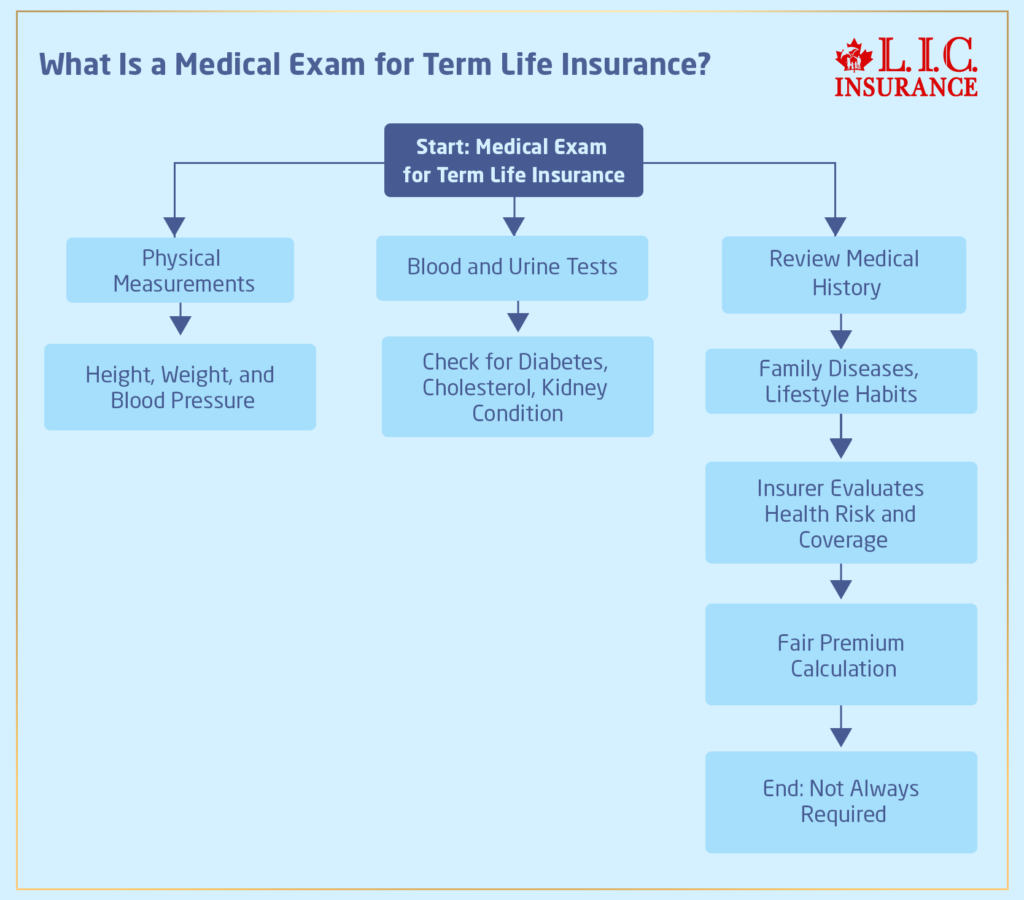
The process is usually quick and done at your home or workplace. A nurse or technician comes to you, or you go to a local lab. Here’s what to expect:
- The examiner confirms your identity and asks a few questions.
- They measure your height, weight, and blood pressure.
- Blood is drawn from your arm (just a small amount).
- You provide a urine sample (usually in a restroom).
- The whole process takes about 20–30 minutes.
Results go straight to the insurance company’s underwriter, not your employer or anyone else.
Privacy And Security Of Your Health Data
Many people worry about who sees their medical information. Life insurance companies must follow strict laws to protect your privacy. Only people working on your application (like underwriters) see your test results. They cannot share your data with others, such as your employer or family, without your permission.
If you want, you can ask for a copy of your results. Sometimes, people discover health problems they did not know about, which can actually help you get treatment early.
Why Not All Policies Require Tests
Not every life insurance policy asks for blood and urine. For small coverage amounts or certain types (like group policies at work), the process is simpler. The company takes on less risk, so they don’t need as much detail.
But for large amounts of coverage or long-term protection, expect these tests. They are a key part of how insurers keep premiums fair and avoid big losses.

The Real Reason Behind The Tests
At the heart, insurance companies use blood and urine tests to be fair—to you and to all customers. If they did not check health, healthy people would pay more to cover unknown risks. Tests allow companies to set prices based on real risk, not guesses. This means if you are healthy, you pay less.
Also, blood and urine tests encourage honesty. If people could hide health problems, the system would break down. These checks keep the process fair and balanced.
When Might You Be Exempt?
Some people can skip the tests:
- Young applicants (usually under 40) seeking small coverage
- People applying for group life insurance at work
- Applicants for guaranteed-issue policies (usually for seniors or those with serious health issues)
However, these policies may cost more or offer less coverage than traditional policies with full exams.
How Long Does It Take To Get Results?
After your exam, results are usually sent to the insurance company in a few days. The total application process can take 2 to 6 weeks, depending on the company and your health history. If your results are normal, approval is often quick.
If there are concerns, the company might ask for more information or talk to your doctor.
The Role Of Technology In Medical Exams
New technology is changing life insurance. Some companies now use electronic health records, pharmacy data, and even wearable devices (like fitness trackers) to help decide risk. Still, for most policies, blood and urine remain the gold standard for reliable health data.
For more on how blood and urine tests work in life insurance, you can visit the National Association of Insurance Commissioners.
Frequently Asked Questions
Why Can’t Insurance Companies Just Use My Medical Records?
Medical records are helpful, but they may be out of date or incomplete. Blood and urine tests give current, objective data that cannot be easily hidden or missed.
How Much Blood Do They Take For A Life Insurance Test?
Usually, only one or two small vials are needed—less than what is taken for most hospital tests. The process is fast and safe.
Will My Test Results Affect Other Types Of Insurance?
No. Life insurance test results are private and used only for your life insurance application. They are not shared with health insurers, employers, or other companies.
What If I Am Afraid Of Needles?
Let the examiner know. They are trained to help people who are nervous or afraid. You can also ask for a technician who is skilled with gentle draws.
Can I See My Blood And Urine Test Results?
Yes. You can request a copy from the insurance company. This can be useful for your own health knowledge or to share with your doctor.
Applying for life insurance can feel stressful, but knowing why blood and urine tests are needed—and how they help set fair prices—can make the process smoother. These simple tests protect both you and the insurer, ensuring life insurance works as it should for everyone.