

People buy life insurance to protect their family and finances. But many people later decide to cancel life insurance policies. This is a big decision, and the reasons are often more complicated than people expect. If you’re wondering why so many cancel, or you’re thinking about it yourself, this article explains the main causes, common mistakes, and what happens afterward. You’ll learn facts that many beginners miss, so you can make smarter choices.
Common Reasons People Cancel Life Insurance
Most cancellations happen for practical reasons. Here are the main ones:

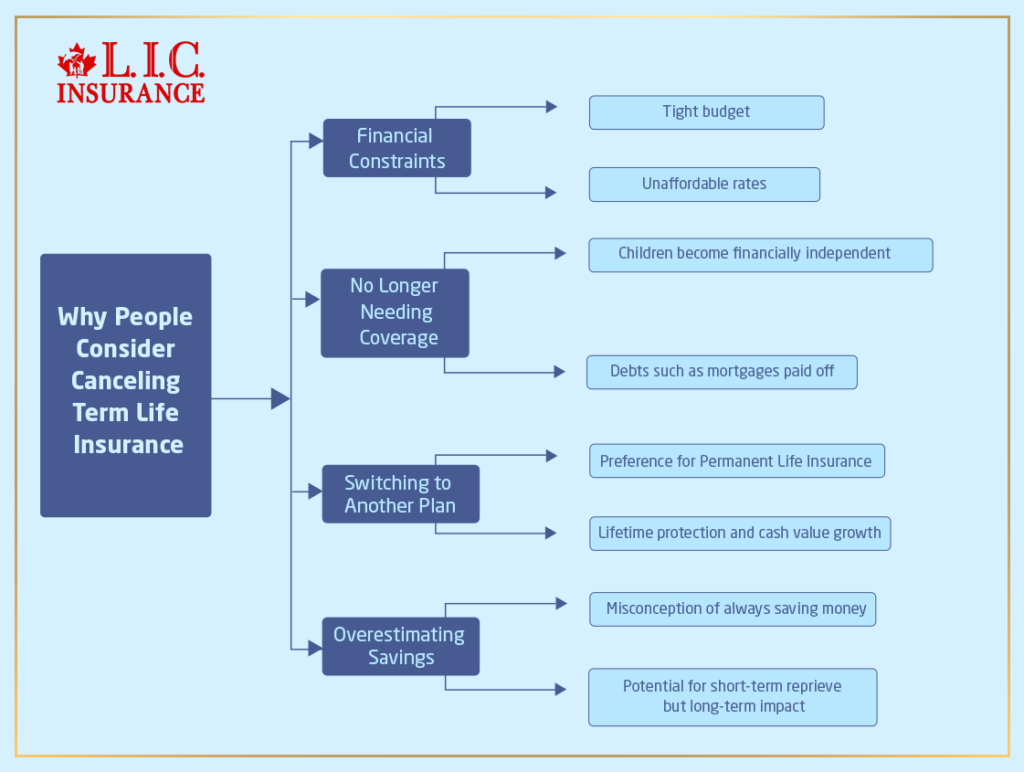
1. Financial Struggles
When money gets tight, cutting monthly expenses is a common solution. Life insurance premiums can feel expensive, especially if you lose your job or face unexpected bills. According to the American Council of Life Insurers, about 20% of policyholders cancel because they can’t afford the premiums.
2. Change In Life Situation
Major life changes often affect insurance needs. Examples include:
- Divorce or separation
- Children becoming financially independent
- Retirement
- Paying off a mortgage
If the original reason for buying the policy disappears, people often cancel.
3. Better Alternatives
Some cancel after finding a cheaper policy or a different type of insurance. For example, switching from whole life to term life can save money.
4. Misunderstanding The Policy
Many buyers don’t fully understand what their policy covers. They might think it has no value, or they forget about cash surrender benefits.
5. Trust Issues With Insurers
If an insurer changes terms, increases premiums, or has poor customer service, people lose trust and cancel.
Comparing Term Vs. Whole Life: Impact On Cancellations
It’s important to know which type of life insurance people cancel more often. Here’s a quick comparison:
| Policy Type | Average Cancellation Rate | Main Reason for Cancellation |
|---|---|---|
| Term Life | Higher (up to 30%) | Premiums or no longer needed |
| Whole Life | Lower (around 15%) | Cost or misunderstanding value |
Term life is canceled more often. It’s cheaper but has no cash value if you cancel. Whole life costs more but offers cash surrender value. Many people cancel without realizing they could get money back.
Emotional Factors And Behavioral Insights
Money isn’t the only reason. Emotional and psychological factors matter too.
- Feeling Overinsured
Some people buy several policies, then feel they have too much coverage. This happens after a big life event, like having a child or getting married. Later, they realize they don’t need that much insurance.
- Regret or Buyer’s Remorse
After buying, some regret the decision. This is common if they bought under pressure or didn’t research carefully.
- Fear of Complexity
Whole life and universal policies can be confusing. If people don’t understand how it works, they cancel rather than risk making mistakes.
What Happens When You Cancel?
Canceling a policy is simple, but the results can surprise you.
| Action | Immediate Effect | Long-Term Impact |
|---|---|---|
| Cancel Term Policy | No coverage, no refund | Need new policy if you want protection again |
| Cancel Whole Life Policy | May get cash value payout | Lose future growth and coverage |
| Let Policy Lapse | No coverage, possible fees | Higher premiums if you buy later |
If you cancel and want insurance again, you may pay more because you’re older or less healthy. This is one reason why experts advise thinking carefully before canceling.
Key Insights Beginners Often Miss
Many people don’t realize these points:
- Cash value can help
Whole life policies often have a cash surrender value. If you cancel, you may get a payout. Some people overlook this and lose money.
- Health changes affect new policies
If you cancel now and buy later, health changes may make insurance expensive or impossible to get.
- Policy riders may be lost
Special benefits (like disability or accident riders) disappear when you cancel. You can’t add them to new policies easily.
Common Mistakes When Canceling
Mistakes can cost money or leave you unprotected.
1. Canceling Without A New Plan
Some cancel before finding a new policy, leaving their family unprotected.
2. Ignoring Surrender Charges
Whole life policies may have fees for early cancellation. Always check before canceling.
3. Not Reviewing Other Options
Some policies allow premium reductions or temporary suspensions. Ask your insurer about these before canceling.
4. Assuming Refunds
Term life policies rarely refund premiums. Whole life may, but only the cash value, not the full amount paid.

Alternatives To Cancellation
If you’re considering canceling, look at these alternatives:
- Convert to a cheaper policy
Ask your insurer about converting whole life to term life.
- Reduce coverage
Lowering the payout amount reduces premiums.
- Pause payments
Some insurers offer grace periods or premium holidays.
- Sell the policy
For some whole life policies, you can sell to a third party (life settlement) if you’re over 65.
Real-life Example
Maria, age 45, canceled her term life insurance after her children finished college. She thought she no longer needed coverage. But two years later, she needed insurance for a business loan. Because she was older, her new premium was 40% higher.
She wished she had kept her original policy or switched to a cheaper option.

Frequently Asked Questions
Why Do People Cancel Life Insurance Policies Early?
Most cancel due to financial issues, changes in life situation, or misunderstanding their policy. Some cancel after finding cheaper alternatives.
Can I Get Money Back If I Cancel My Life Insurance?
With whole life insurance, you may get a cash value payout. Term life usually offers no refund. Always check your policy details.
What Happens If I Let My Policy Lapse Instead Of Canceling?
Letting your policy lapse means you stop paying premiums. You lose coverage and may pay fees. If you buy insurance later, it often costs more.
Is It Better To Reduce Coverage Than Cancel Completely?
Reducing coverage can lower your premiums and keep some protection. It’s often safer than canceling, especially if your health changes.
Can I Sell My Life Insurance Policy?
Some whole life policies can be sold in a life settlement if you’re over 65. This gives you cash, but you lose coverage. Learn more from the National Association of Insurance Commissioners.
Life insurance is a long-term decision. If you’re thinking about canceling, weigh your options carefully. Talk to a trusted advisor, check your policy’s cash value, and look for alternatives. Canceling can solve short-term problems, but may cause bigger issues later.
Take your time to understand the risks before you act.