
What If Life Insurance
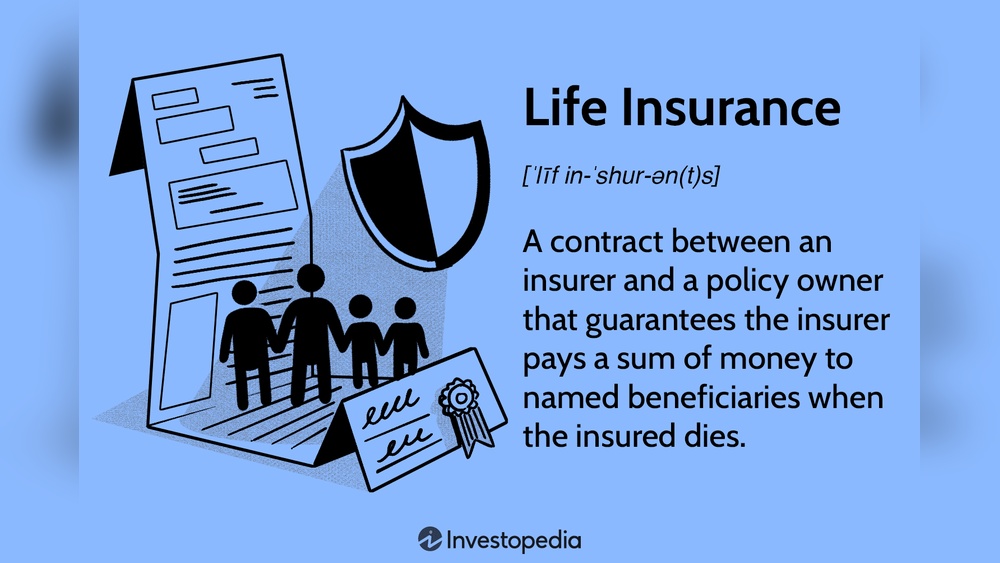
Life can feel unpredictable. Sometimes, you think about what would happen if you were suddenly not here tomorrow. What would your family do? Who would pay the bills or take care of your children? This is where life insurance comes in. Life insurance is not just paperwork or a monthly cost—it’s a promise to your loved ones that they will be safe, even if you can’t be there yourself.
Many people hesitate to buy life insurance. They wonder if it’s really necessary or if it’s too expensive. Some worry that it’s complicated or only for older people. But life insurance can make a huge difference for families, young adults, and even business owners.

It’s not just about death; it’s about protecting dreams, futures, and financial security.
Let’s look deeper at what would happen if you have life insurance, what if you don’t, and how different choices can change your life and your family’s future. We’ll also cover types of life insurance, how to choose the right policy, and what mistakes to avoid.
By the end, you’ll have a clear picture of why life insurance matters—and how to make smart decisions.
What Happens If You Have Life Insurance
Life insurance is like a safety net. If something happens to you, your family gets money to help with expenses. But the benefits go beyond just paying bills.
Financial Security For Loved Ones
If you have life insurance, your family won’t have to worry about big expenses. The payout can cover:
- Funeral costs: Funerals can cost $7,000–$12,000 in the US.
- Mortgage payments: Your family can stay in their home.
- Daily living expenses: Food, bills, school fees.
- Debt repayment: Credit cards, loans, medical bills.
For example, if you have a $250,000 policy, your family receives this amount if you pass away. It can mean the difference between losing their home or staying safe.
Keeping Dreams Alive
Life insurance helps your family continue their plans. Children can go to college. Your spouse can pay for retirement. Even a small policy can help keep dreams alive.
Peace Of Mind
Knowing your family is protected gives you peace. You can focus on living, instead of worrying about “what if. ” This peace is valuable and often overlooked.
Real-life Example
Let’s look at Anna. She was 35, with two young kids. She bought a $500,000 policy. When she died in a car accident, her family used the money to pay for the funeral, clear debts, and cover living costs. Her children could finish school, and her husband didn’t have to move to a smaller home.
Without life insurance, the family would have struggled for years.
What Happens If You Don’t Have Life Insurance
Many people skip life insurance. Maybe they think they are too young, too healthy, or don’t have enough money. But the risks are real.
Family Faces Financial Stress
Without life insurance, your family may struggle. They must cover funeral costs, pay bills, and handle debts—all without your income.
Debt Can Remain
If you have debts (like mortgages, car loans), your family may have to pay them. Sometimes, assets are sold to cover debts, meaning your family could lose their home or car.
Children’s Future May Suffer
Children’s education and other dreams may be affected. Without extra money, college plans or activities may stop.
Real-life Example
Let’s consider Mike. He was 40 and the main earner. He didn’t have life insurance. When he died from illness, his wife had to sell their house, work two jobs, and borrow money for the funeral. His children had to leave their private school.
The family struggled for years.
Emotional Stress
Besides money, the emotional stress is huge. Dealing with loss is hard. Worrying about money makes it worse.
:max_bytes(150000):strip_icc()/Investopedia-terms-termlife-6451fde927474d4f8a81a5681efd393f.jpg)
Types Of Life Insurance
There are different types of life insurance. Choosing the right one is important for your needs and budget.
Term Life Insurance
- Coverage for a set period: Usually 10, 20, or 30 years.
- Lower cost: Good for young families.
- Pays only if you die during the term.
This is the most common type. It’s simple and affordable.
Whole Life Insurance
- Coverage for your entire life.
- Higher premiums.
- Builds cash value: You can borrow against it.
Whole life is good if you want coverage forever and extra savings.
Universal Life Insurance
- Flexible premiums.
- Cash value grows: Depending on interest rates.
- Can adjust coverage.
Universal life is more flexible, but also more complex.
Comparison Table: Term Vs Whole Vs Universal Life
Here’s a quick comparison:
| Feature | Term Life | Whole Life | Universal Life |
|---|---|---|---|
| Coverage Length | Fixed (10-30 yrs) | Lifetime | Lifetime |
| Premium Cost | Low | High | Varies |
| Cash Value | No | Yes | Yes |
| Flexibility | Low | Low | High |
| Ideal For | Young families | Long-term security | Changing needs |
Group Life Insurance
- Offered by employers.
- Low or no cost.
- Usually limited coverage.
This can be a good starting point, but often not enough.
Final Expense Insurance
- Small policies for funeral costs.
- Easy to get.
- Low coverage.
Good for older adults who only want to cover funeral expenses.
How Much Life Insurance Do You Need?
Choosing the right amount is important. Too little, and your family struggles. Too much, and you overpay.
Basic Formula
A simple way is:
Annual income x number of years needed + debts + future expenses (college, etc.)
For example, if you earn $50,000 per year, want coverage for 10 years, have $100,000 debt, and $50,000 for college:
$50,000 X 10 = $500,000
$500,000 + $100,000 + $50,000 = $650,000
Data Table: Typical Coverage Needs By Family Size
Here’s a typical guide:
| Family Size | Recommended Coverage | Common Expenses Covered |
|---|---|---|
| Single | $100,000–$250,000 | Funeral, debts |
| Couple | $250,000–$500,000 | Funeral, mortgage, debts |
| Family (2 kids) | $500,000–$1,000,000 | Funeral, mortgage, education, debts |
| Large Family (4+ kids) | $1,000,000+ | Funeral, mortgage, education, living costs |
Non-obvious Insight
Many people forget to include future inflation. Costs rise over time. If your policy is for 20 years, make sure it’s enough to cover rising prices. Also, don’t forget about taxes. Some payouts may be taxed, depending on your country and plan.
How To Choose The Right Policy
Choosing the right policy can feel overwhelming. Here’s how to make it easier.
Assess Your Needs
Think about:
- Your age and health
- Family size
- Debts and expenses
- Future plans (college, retirement, etc.)
Compare Policies
Look at cost, coverage, and terms. Ask questions:
- Is the premium fixed or can it rise?
- Does the policy end if you miss a payment?
- Is there a waiting period?
Practical Tips
- Shop around: Don’t buy the first policy you see.
- Read the fine print: Look for exclusions (some policies don’t cover certain causes of death).
- Ask for help: Talk to a financial advisor if you’re unsure.
Data Table: Sample Monthly Premiums By Age
See how age affects cost:
| Age | Term Life ($250,000/20 yrs) | Whole Life ($250,000) |
|---|---|---|
| 25 | $15–$25 | $100–$150 |
| 35 | $20–$35 | $140–$200 |
| 45 | $40–$70 | $200–$300 |
| 55 | $80–$120 | $350–$500 |
Non-obvious Insight
Many buyers forget to check if their policy has living benefits. Some plans allow you to access part of the payout if you get seriously ill. This can help with medical bills or care.
Common Mistakes To Avoid
It’s easy to make mistakes with life insurance. Here are some common errors and how to avoid them.
- Underestimating needs: Many people buy too little coverage. Think about all future expenses.
- Ignoring health changes: If your health changes, review your policy. You may need more coverage.
- Not reviewing policy regularly: Life changes—marriage, kids, new job. Update your policy.
- Missing premium payments: If you stop paying, your policy may end.
- Assuming employer coverage is enough: Group life insurance is often too small for families.
- Not naming the right beneficiaries: Make sure your beneficiary is up to date. If you divorce or remarry, update it.
- Forgetting about taxes: Some policies have tax consequences. Ask your advisor.
Extra Tip
Some people let their policy lapse when they retire. But many expenses—like funeral costs—remain. Keep some coverage even after retirement.

Who Needs Life Insurance?
You might think life insurance is only for parents or older people. But many groups benefit from it.
Young Adults
Even single people can leave debts behind. Life insurance can cover student loans or help parents pay for funeral costs.
Parents
If you have children, life insurance protects their future and education.
Married Couples
Both partners may need coverage, especially if both work or have shared debts.
Business Owners
If you own a business, life insurance can protect partners or employees. It can help pay off business loans or buy out a partner’s share.
Older Adults
Final expense insurance can cover funeral costs and leave a small gift for family.
Non-obvious Insight
Even stay-at-home parents need coverage. If something happens, families may need to pay for childcare, housekeeping, or education help.
Benefits Beyond Death
Life insurance is not just about death. Some policies offer extra benefits.
Living Benefits
Some plans pay out if you get a serious illness. This helps with hospital bills or care.
Cash Value
Whole and universal life policies build up cash value. You can borrow against this or use it for emergencies.
Estate Planning
Life insurance can help with taxes and passing assets to your heirs. It makes inheritance easier.
How Life Insurance Changes Over Time
Your needs change as you age. Review your policy every few years.
Young Adults
Start with term life. It’s cheap and covers basics.
Families
As your family grows, increase coverage. Add riders for children or special needs.
Older Adults
Switch to whole life for lifelong coverage. Reduce amount if children are grown.
Retirement
Keep a small policy for final expenses. Review beneficiaries.
How To Apply For Life Insurance
Applying is simple, but there are steps.
- Choose a policy: Decide on term, whole, or another type.
- Fill out an application: Give details about health, lifestyle, and family.
- Medical exam: Some policies need a health check (blood test, weight, blood pressure).
- Wait for approval: Insurer reviews your info.
- Pay premiums: Once approved, start paying monthly or yearly.
Tips For Approval
- Be honest about health and habits.
- Quit smoking to lower premiums.
- Keep medical records handy.
What If You Can’t Afford Life Insurance?
If money is tight, there are options.
- Start with a small policy: Even $50,000 can help.
- Check group coverage: Employers may offer free or low-cost insurance.
- Look for term policies: They are much cheaper than whole life.
- Compare quotes: Prices vary between companies.
Non-obvious Insight
Some insurers offer no-exam policies. These cost more, but are fast and easy if you have health problems.
What If You Outlive Your Policy?
Term life ends after a set time. If you outlive it, the coverage stops.
- Renew: Some policies let you renew, but premiums go up.
- Convert: Many term policies can be converted to whole life.
- Buy new coverage: If your health is good, buy a new policy.
Practical Example
Jane had a 20-year term policy. She outlived it at 45. She converted it to whole life, so her coverage continued.

How Claims Are Paid
When someone dies, their family files a claim.
- Submit documents: Death certificate, policy details.
- Wait for review: Insurer checks info.
- Payment: Money is paid to beneficiaries, usually within weeks.
Tips For Fast Claims
- Keep policy documents handy.
- Tell your family where the policy is.
- Name clear beneficiaries.
Where To Learn More
There are many resources online. The National Association of Insurance Commissioners (NAIC) offers clear guides and tips. You can visit NAIC Consumer Resources for more information.
Frequently Asked Questions
What Is The Main Purpose Of Life Insurance?
The main purpose is to provide financial security for your loved ones if you die. It helps cover expenses like funeral costs, debts, and daily living needs.
Can I Buy Life Insurance If I Have Health Problems?
Yes, but your options may be limited. Some companies offer no-exam policies or higher premiums for risky health. Always compare quotes and ask about special plans.
Is Term Life Insurance Better Than Whole Life Insurance?
Term life is cheaper and simpler, good for basic needs. Whole life is more expensive but lasts forever and builds cash value. The best choice depends on your goals and budget.
What Happens If I Miss A Payment?
Most policies have a grace period (usually 30 days). If you don’t pay within this time, the policy may end and you lose coverage. Always check your policy for details.
How Long Does It Take To Receive The Payout?
After the claim is approved, payouts are usually made within two to four weeks. Sometimes it takes longer if documents are missing or there are questions about the cause of death.
Life insurance is a simple step that can make a huge difference. It’s not just about money—it’s about caring for your family and their future. Take time to review your needs and choose the right policy. Protecting your loved ones is one of the most important choices you can make.