
When you think about life insurance, you usually imagine it as a safety net for your loved ones if you pass away. But what happens if the person named as the beneficiary dies before you—or even at the same time? This is a question many people don’t consider until it’s too late. Understanding the rules and options can help protect your family’s financial future, avoid confusion, and make sure your wishes are honored.
Who Is A Life Insurance Beneficiary?
A beneficiary is the person or people chosen to receive a life insurance payout after the policyholder dies. Most people pick their spouse, children, or another close family member. You can also name organizations, charities, or trusts.

There are two main types:
- Primary beneficiary: First in line to receive the payout.
- Contingent beneficiary: Receives the payout if the primary beneficiary has already passed away.
Many people only name a primary beneficiary, but adding a contingent (or “secondary”) beneficiary is wise. This adds a backup in case the first person can’t receive the money.
What Happens If A Beneficiary Dies Before The Policyholder?
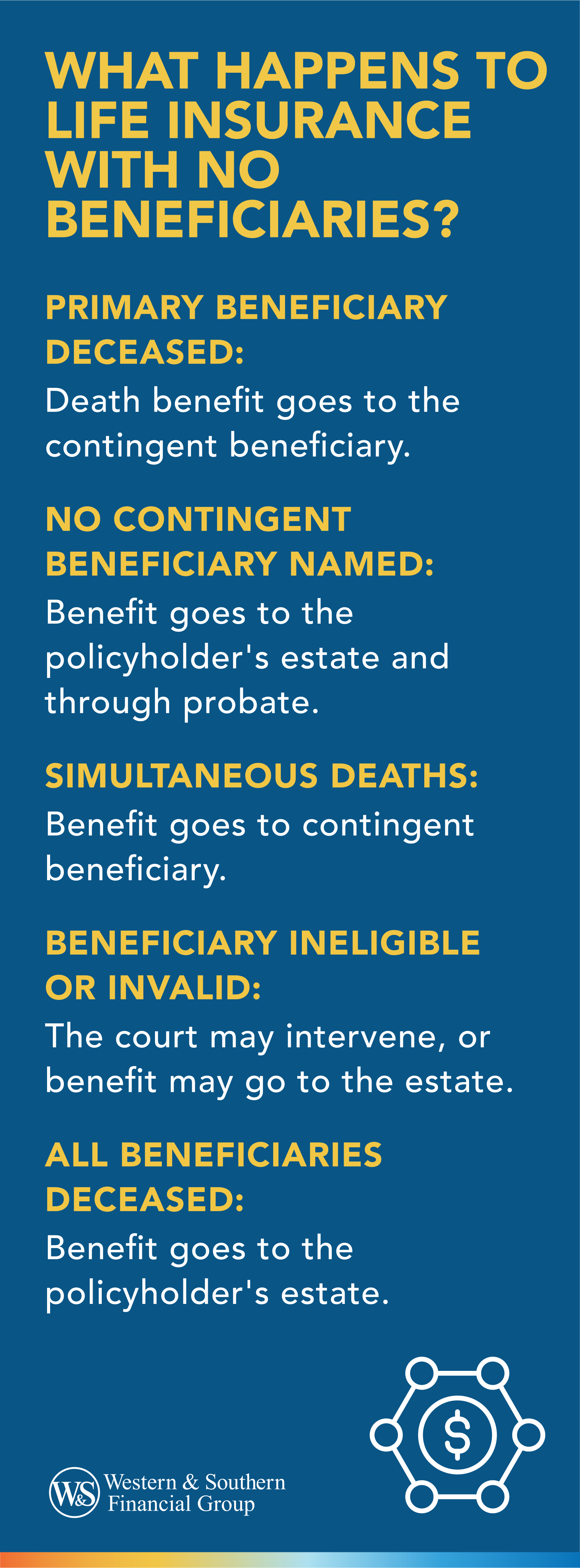
If your primary beneficiary dies before you, and you don’t update your policy, the insurance company will follow its default rules. These rules vary, but here’s what usually happens:
- The policy pays out to the contingent beneficiary, if one is named.
- If there’s no contingent beneficiary, the payout goes to your estate (what you own at death).
- The money may be distributed according to your will or local laws.
This process can be slow and costly. If the payout goes to your estate, it might be subject to probate—a legal process that can take months or even years.

What If The Beneficiary Dies After The Policyholder, But Before Claiming?
Sometimes, the beneficiary dies after the policyholder but before the insurance payout is claimed or distributed. In this case, the money usually becomes part of the beneficiary’s estate.
For example: If John names his wife, Mary, as beneficiary, and he dies. Mary dies two days later, before claiming the money. The insurance company will pay the benefit to Mary’s estate, not to John’s other relatives. This can create confusion and delay.
Simultaneous Deaths: The “common Disaster” Scenario
What if both the policyholder and beneficiary die at the same time, or within a short period? This is called a common disaster. Many policies include a “common disaster clause.”
- The clause sets a waiting period (often 30 days). If the beneficiary dies within that time after the policyholder, the payout goes to the contingent beneficiary or the estate.
For example: If both spouses die in an accident and only one is named, the insurance company will use the clause to decide who gets the payout.
Example Data: Common Disaster Clauses
Here’s how different insurance companies handle common disaster clauses:
| Company | Waiting Period | Payout Rule |
|---|---|---|
| Prudential | 30 days | Contingent beneficiary receives payout |
| State Farm | 15 days | Estate receives payout if no contingent |
| MetLife | 30 days | Contingent beneficiary or estate |
Knowing your policy’s waiting period and payout rule is vital, especially if you travel or live with your beneficiary.
What Happens If No Beneficiary Is Named?
Some people forget to name a beneficiary, or their chosen beneficiary dies and they never update the policy. In these cases, the insurance payout goes to the policyholder’s estate. This can trigger probate, where a court decides how assets are distributed.
Here’s a quick comparison:
| Situation | Payout Method | Time to Receive Money |
|---|---|---|
| Named beneficiary | Direct payout | 2–4 weeks |
| No beneficiary | Probate process | Several months–years |
| Beneficiary deceased | Estate or contingent | Depends on probate |
As you can see, naming a beneficiary and keeping your policy updated is much faster and simpler.
How To Change Or Update Beneficiaries
Life changes—marriages, divorces, births, deaths. It’s important to review and update your beneficiaries regularly. Here’s how:
- Contact your insurance company. Most have online forms.
- Fill out a change of beneficiary form.
- Submit with any required documents (like ID or proof of relationship).
Some tips:
- Always name both primary and contingent beneficiaries.
- Avoid naming minors without setting up a trust. Minors can’t legally claim payouts.
- Check your policy after big life events.
Updating your beneficiaries can prevent confusion and protect your loved ones.

Real-life Examples
Let’s look at some real cases that show why updating your beneficiary matters:
- Case 1: Mark names his wife as beneficiary. She dies before him. He forgets to update his policy. When Mark dies, his insurance payout goes to his estate and triggers probate. His children wait months for the money.
- Case 2: Susan names her sister and brother as primary and contingent beneficiaries. Her sister dies first. When Susan dies, her brother receives the payout without delay.
- Case 3: Tom names his minor child. When he dies, the payout is frozen until a court-appointed guardian manages the money.
These examples show how important it is to review your policy, especially after changes in your family.
Legal And Tax Implications
When the payout goes to an estate, it can face legal and tax issues:
- Probate fees: Courts charge fees that can reduce the payout.
- Estate taxes: Some states charge taxes on estates over a certain value.
- Delays: Probate can take months or even years.
If a beneficiary is named, the payout usually skips probate and is tax-free. But if it goes to an estate, taxes and fees may apply.
Comparison Of Tax Impact
| Payout Recipient | Probate Required? | Taxable? |
|---|---|---|
| Named beneficiary | No | No (in most cases) |
| Estate | Yes | Possible estate taxes |
Always check your local laws and consult a financial advisor if you’re unsure.
Non-obvious Insights Most People Miss
- Contingent beneficiaries matter more than you think. Many people skip naming a contingent beneficiary. This can create problems if the primary dies first. It’s not just a backup—it’s a critical part of your plan.
- State laws can override your wishes. If your beneficiary dies and you haven’t updated your policy, some states decide who gets the money. This can lead to disputes and delays, especially if you have a blended family or complicated relationships.
What You Should Do Next
- Review your policy every year.
- Update beneficiaries after major life events.
- Name both primary and contingent beneficiaries.
- Avoid naming minors unless you set up a trust.
- Talk to a financial advisor if you’re unsure.
Being proactive can save your family time, money, and stress. Don’t wait until it’s too late.
Frequently Asked Questions
What Happens If Both The Policyholder And The Beneficiary Die At The Same Time?
Most insurance policies have a common disaster clause. This means if both die together or within a certain period, the payout goes to the contingent beneficiary. If there’s no contingent, the money goes to the policyholder’s estate.
Is The Insurance Payout Taxed If The Beneficiary Dies And The Estate Receives The Money?
If the payout goes to an estate, it may be subject to estate taxes and probate fees. If it goes directly to a named beneficiary, it’s usually tax-free. Always check your state’s rules or ask a financial advisor.
Can I Name More Than One Beneficiary?
Yes, you can name multiple beneficiaries and split the payout however you want. For example, you might give 50% to your spouse and 25% each to two children. Make sure your policy clearly states the percentages or amounts.
What Happens If My Beneficiary Is A Minor?
Minors can’t receive insurance payouts directly. If you name a minor, the money is held until a court appoints a guardian, or until the child turns 18 (or 21, depending on state law). Setting up a trust is a better solution.
How Often Should I Update My Beneficiary Information?
You should review your beneficiary choices every year, and always after major life events (marriage, divorce, birth, death). Keeping your policy current avoids confusion and makes sure your wishes are honored.
Taking care of your life insurance beneficiary choices might seem small, but it makes a big difference. It’s not just about money—it’s about protecting your loved ones and giving them peace of mind. For more guidance, you can check out this Investopedia article on the subject. Reviewing your policy and updating your beneficiaries is one of the best things you can do for your family’s future.