
You probably think life insurance covers everything when it comes to protecting your loved ones. But what if there are gaps you don’t know about?
Understanding what life insurance doesn’t cover can save you from unexpected surprises and financial headaches. You’ll discover the key exclusions and limits of life insurance policies. Knowing these details will help you make smarter choices for your family’s future. Keep reading to find out what might be missing from your coverage—and how to fill those gaps before it’s too late.

Common Exclusions In Life Insurance
Life insurance helps protect your family financially after your death. But it does not cover all types of death. Insurance policies have specific exclusions. Knowing these helps you avoid surprises later.
Common exclusions often relate to how or why the death happened. These rules keep insurance fair and prevent misuse. Here are some common exclusions found in most life insurance policies.
Suicide Clause
Most life insurance policies do not pay if death is by suicide. This usually applies only during the first two years of the policy. After this period, the payout may be allowed. Insurers use this rule to avoid sudden claims.
Death Due To Illegal Activities
Deaths occurring during illegal acts are not covered. This includes crimes like drug use or theft. Insurers deny claims if the insured was breaking the law. This rule protects the company from risky behavior.
Pre-existing Medical Conditions
Some policies exclude deaths caused by health issues that existed before buying the insurance. Insurers want to avoid high risks from known illnesses. Disclosing all health problems is important to avoid claim denial.
High-risk Activities
Deaths from dangerous sports or jobs may not be covered. Activities like skydiving, scuba diving, or race car driving often fall under this rule. Some insurers offer extra coverage for these risks at a higher cost.
Credit: www.policygenius.com
Limitations In Policy Coverage
Life insurance offers financial support to families after a policyholder’s death. Yet, not all situations are covered. Understanding the limits of a life insurance policy is important. These limits show when the insurer may not pay the benefits.
Knowing these restrictions helps avoid surprises during a claim. Policies have rules about timing, payment, and job risks. These rules protect insurers from fraud and high risks. Let’s explore key limits found in life insurance policies.
Waiting Periods And Contestability
Waiting periods are times when no claims are paid. This period often lasts one or two years. Deaths during this time may not be covered. It helps stop people from buying insurance only when they are very sick.
Contestability means the insurer can check the policy’s facts. This usually lasts two years from the start. If false information is found, the insurer may deny the claim. Honesty on the application is very important.
Policy Lapses And Non-payment
Life insurance requires regular premium payments. Missing payments can cause the policy to lapse. If the policy lapses, no benefits are paid on death. Some policies offer a grace period to pay late.
Policyholders should keep track of payments. Lapses remove financial protection when it is most needed. Automatic payments or reminders can help avoid this risk.
Exclusions For Certain Occupations
Some jobs have higher risks for life insurance. Insurers may exclude coverage for dangerous occupations. Examples include pilots, miners, or military personnel in combat zones.
These exclusions mean no benefit if death relates to the risky job. Insurers want to avoid high claims from dangerous work. Policy seekers in these fields should check coverage details carefully.
Myths About Life Insurance Coverage
Many people have wrong ideas about what life insurance covers. These myths can cause confusion and lead to poor decisions. Understanding what life insurance does not cover helps you avoid surprises later.
Life insurance is not a catch-all safety net. It has limits and exclusions. Knowing these limits can protect you and your family better.
Accidental Death Always Covered
Some believe life insurance pays for all accidental deaths. This is not true. Policies often have specific rules about accidents. Deaths from risky activities might be excluded. Always check the policy details for accident coverage.
Coverage For Natural Disasters
Many think natural disasters are fully covered. Life insurance does not cover property damage or injuries from disasters. It only pays if the insured person dies. It does not protect against loss of home or belongings.
Life Insurance Vs Health Insurance
Life insurance is not the same as health insurance. Health insurance covers medical bills and treatments. Life insurance pays money after death. It does not pay for hospital stays or surgeries.
How To Avoid Coverage Gaps
Life insurance protects your loved ones from financial hardship. Yet, not every situation is covered. Gaps in coverage can leave you exposed. Knowing how to spot and avoid these gaps helps secure your policy’s benefits. Careful steps ensure your insurance works as you expect.
Reading The Fine Print
Policies contain details that matter. Exclusions and limits often hide in the fine print. Take time to read every page. Understand what is covered and what is not. Ask questions if something is unclear. Avoid surprises later by knowing all terms.
Choosing The Right Policy Type
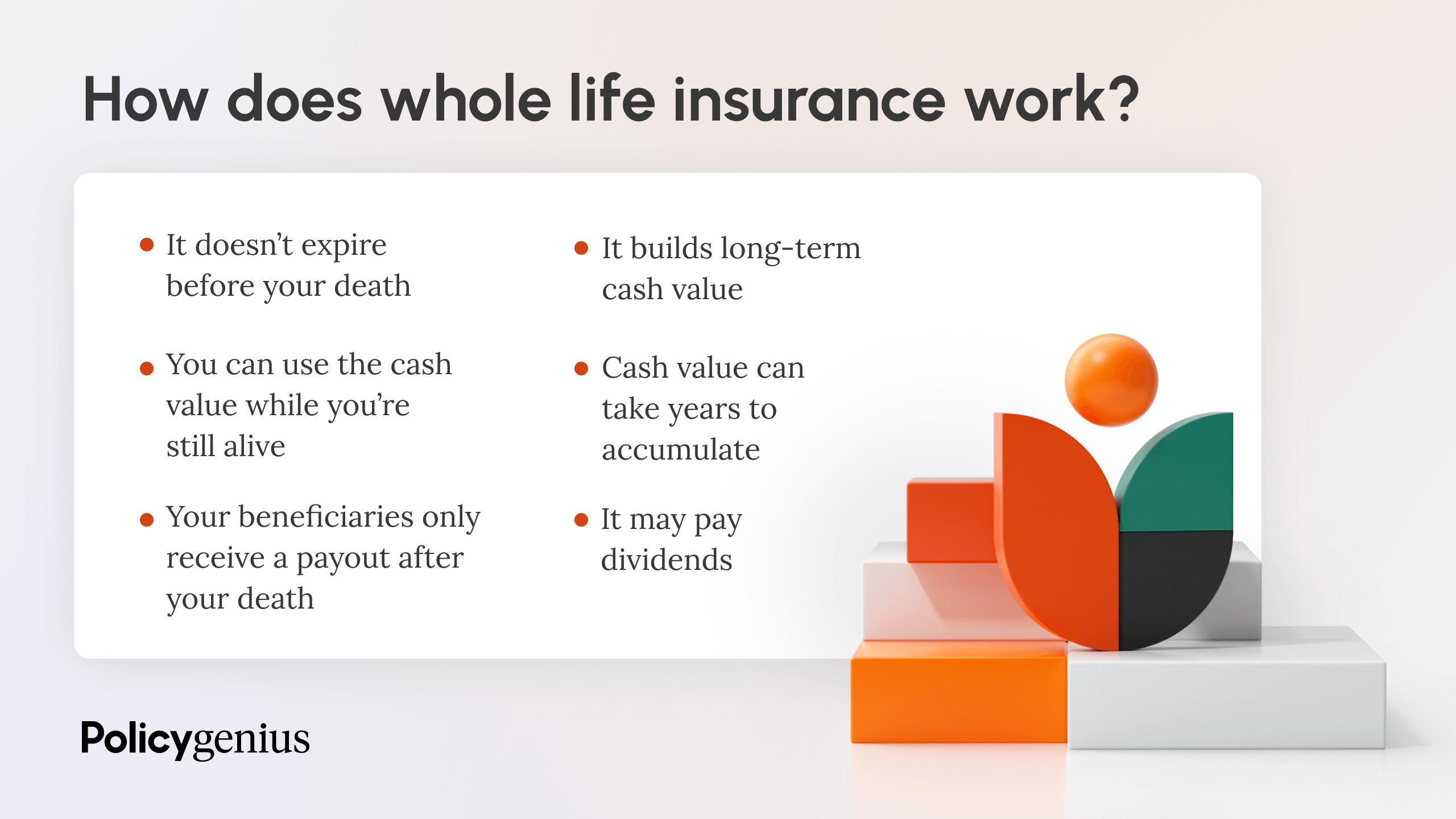
Different policies offer different protections. Term life covers a set period. Whole life lasts a lifetime but costs more. Select a policy that fits your needs and budget. The right type reduces chances of gaps. Review your choice regularly to stay covered.
Disclosing Accurate Information
Honesty matters when applying for insurance. Provide true information about health and lifestyle. Incorrect details can cause claim denial. Full disclosure builds trust with the insurer. This step helps keep your coverage valid and reliable.
What To Do If A Claim Is Denied
Life insurance claim denial can feel overwhelming. Many people do not know the next steps after a claim is rejected. Acting quickly can help protect your rights and finances. There are ways to challenge the denial and find other financial options.
Appealing The Decision
Start by reviewing the denial letter carefully. It usually explains why the claim was denied. Gather all documents related to the policy and claim. This includes medical records, death certificates, and correspondence. Write a clear appeal letter addressing the reasons for denial. Submit the appeal within the deadline given by the insurer. Keep copies of all documents for your records.
Seeking Legal Advice
Consult an attorney who specializes in insurance claims. They can explain your rights and options. A lawyer helps prepare strong evidence for your case. Legal advice can increase the chances of a successful appeal. Some lawyers offer free consultations or work on a contingency basis. This means you pay only if you win the case.
Alternative Financial Solutions
Explore other ways to manage expenses if the claim stays denied. Look into government benefits or social services available to you. Some charities offer help for funeral costs or living expenses. Consider personal loans or borrowing from family as a last resort. Create a budget to control spending during this difficult time. These steps can provide relief while you handle the claim issues.
Credit: alphaarchitect.com

Credit: www.annuityexpertadvice.com
Frequently Asked Questions
What Exclusions Are Common In Life Insurance Policies?
Life insurance often excludes suicide within the first two years, death from illegal activities, and risky hobbies. These exclusions protect insurers from high-risk claims and ensure policy fairness.
Does Life Insurance Cover Deaths From Natural Disasters?
Typically, life insurance covers deaths from natural disasters like earthquakes or floods. However, coverage depends on policy terms and any specific exclusions listed.
Are Deaths Due To Pandemics Covered By Life Insurance?
Most life insurance policies cover deaths caused by pandemics, including COVID-19. Always check policy details for any specific limitations related to infectious diseases.
Is Life Insurance Valid If Death Occurs During Illegal Acts?
Life insurance usually denies claims if death happens during illegal activities. This exclusion helps prevent misuse and reduces insurer risk.
Conclusion
Life insurance helps protect your family financially after you pass away. It does not cover every situation, like suicide within the first two years or risky activities. Knowing what is not covered helps you avoid surprises later. Always read your policy carefully and ask questions.
Choose coverage that fits your needs and lifestyle. This way, you can feel more secure about the future. Remember, life insurance is just one part of a good financial plan. Stay informed and plan wisely.