
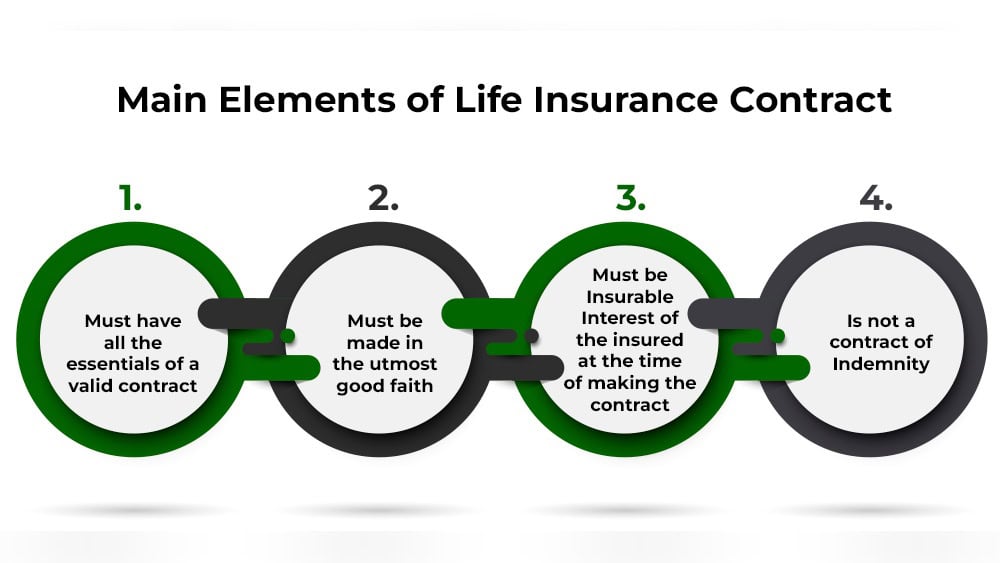
When it comes to protecting your loved ones, understanding life insurance is key. But what exactly makes up a life insurance policy?
Knowing the main elements can help you choose the right coverage and feel confident about your decision. You’ll discover the essential parts that make life insurance work for you. By the end, you’ll have a clear picture of how life insurance can secure your family’s future.

Keep reading to learn what you need to know before making this important choice.

Credit: castlemarkwealth.com
Types Of Life Insurance
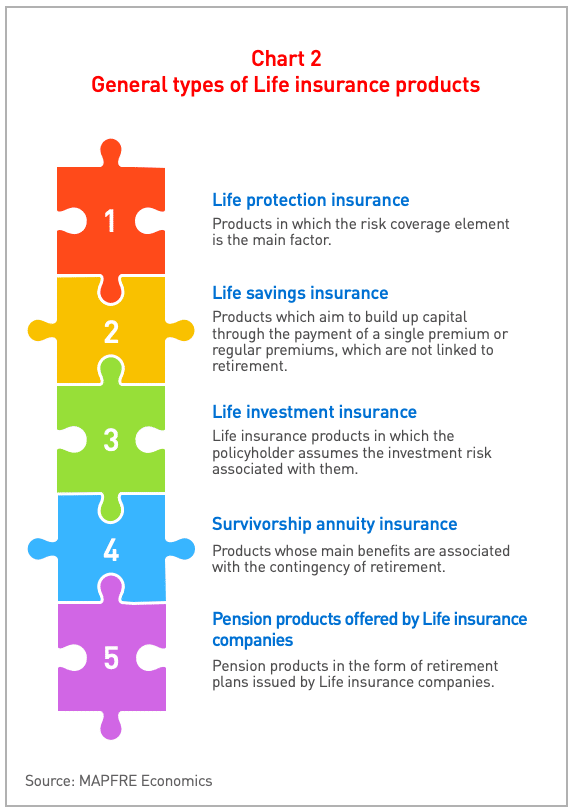
Life insurance comes in different types. Each type serves a unique purpose. Knowing these types helps you pick the right one.
Some plans cover you for a set time. Others last your whole life. Some even build cash value over time.
Term Life Insurance
Term life insurance covers you for a specific period. Usually, it lasts 10, 20, or 30 years. It pays a benefit only if you pass away during this term. Term life is simple and often the cheapest option. It works well for temporary needs like paying off a mortgage.
Whole Life Insurance
Whole life insurance lasts your entire life. It guarantees a death benefit no matter when you die. It also builds cash value over time. You can borrow against this cash value if needed. Whole life policies usually cost more than term insurance.
Universal Life Insurance
Universal life insurance offers flexibility. You can adjust your premium payments and death benefit. It also builds cash value with interest. This type suits people who want control over their coverage and costs. The cash value can help pay premiums later.
Variable Life Insurance
Variable life insurance lets you invest the cash value. You choose where to put the money, like stocks or bonds. The death benefit and cash value can change based on investment performance. This type carries more risk but also more growth potential.

Credit: www.actioninsurancegroupwa.com
Key Components Of A Policy
Life insurance policies have several important parts. These parts work together to protect your loved ones and offer financial security. Understanding each key component helps you choose the right policy. Let’s look at the main elements that make up a life insurance policy.
Premiums
Premiums are the payments you make for your life insurance. You pay these regularly, often monthly or yearly. The amount depends on your age, health, and policy type. Paying premiums keeps your coverage active. Missed payments can cause the policy to end.
Death Benefit
The death benefit is the money paid to your beneficiaries. This payout happens after you pass away. It helps cover expenses like bills, debts, or funeral costs. The death benefit amount is set when you buy the policy. It can be a fixed sum or vary with some policy types.
Cash Value
Cash value is a feature of some life insurance policies. It grows slowly as you pay premiums. You can borrow against this cash or use it in the future. Term life insurance does not have cash value. Whole and universal life policies often include this benefit.
Policy Riders
Policy riders are extra benefits added to a policy. They customize coverage to fit your needs. Common riders include accident benefits or critical illness coverage. Riders usually cost extra but provide more protection. You can add or remove riders over time.
How Life Insurance Works
Life insurance provides financial security for your loved ones. It works through a clear process. Understanding each step helps you see how it protects your family. The process starts with applying for a policy and ends with claim settlement. Each stage is important.
Application Process
First, you fill out an application form. This form asks for basic information like your age, health, and lifestyle. Insurers use this data to assess risk. You must answer honestly to avoid problems later. Sometimes, you may need to take a medical exam.
Underwriting
Underwriting is the insurance company’s risk assessment. Experts review your application and medical records. They decide if you qualify for coverage. They also determine your premium cost. Higher risks mean higher premiums or policy denial. This step ensures fair pricing for everyone.
Policy Issuance
After approval, the insurer issues the policy. This document outlines coverage details and terms. It includes premium amounts and payment schedules. You receive a copy to keep. The policy becomes active once you pay the first premium.
Claim Settlement
If the insured person passes away, beneficiaries file a claim. The insurance company reviews the claim carefully. They check all documents and verify the event. After approval, they pay the death benefit. This money helps cover expenses and supports the family.
Factors Affecting Premiums
Life insurance premiums depend on several important factors. These factors help insurance companies decide how much you pay. Understanding these can help you find the best policy for your needs.
Age And Health
Age plays a big role in setting premiums. Younger people usually pay less. Health also matters a lot. Healthy individuals get lower rates. Chronic illnesses or past health issues raise costs.
Lifestyle Choices
Habits like smoking or drinking affect premiums. Smokers pay much more than non-smokers. Risky hobbies like skydiving can increase costs too. Healthy habits help keep premiums low.
Coverage Amount
The size of your coverage changes the premium. Higher coverage means higher payments. Choosing only what you need saves money. Balancing coverage and cost is key.
Policy Type
Different policies have different costs. Term life insurance is usually cheaper. Whole life insurance costs more but lasts longer. Choose a policy that fits your budget and goals.
Common Life Insurance Riders
Life insurance riders are extra options added to a basic policy. They give extra protection or benefits. Riders help customize your plan to fit your needs better.
These riders come at an extra cost, but they can be worth it. They cover situations the main policy might not cover. Knowing about common riders helps you choose the right one.
Accidental Death Benefit
This rider pays extra money if death happens by accident. It adds a safety net beyond the regular death benefit. It is helpful for those with risky jobs or hobbies.
Waiver Of Premium
This rider stops you from paying premiums if you become disabled. The policy stays active while you recover. It offers peace of mind during tough times.
Critical Illness Rider
This rider pays a lump sum if diagnosed with a serious illness. It can cover costs like treatment and bills. It helps ease financial stress during illness.
Child Term Rider
This rider covers your children with life insurance. It offers financial help if something happens to a child. It can also allow future conversion to adult insurance.
Benefits Beyond Death Protection
Life insurance is often seen as a tool that only helps after someone passes away. It offers much more than just death protection. Many policies include features that support the policyholder during their lifetime. These benefits can help with financial needs, emergencies, and even taxes.
Living Benefits
Living benefits allow you to use your life insurance while you are still alive. You can access money if you face serious illness or injury. This helps cover medical bills or loss of income. It gives peace of mind, knowing you have support in tough times.
Loan Options
Some life insurance policies let you borrow money against the policy’s cash value. You can use this loan for any purpose. There is no need to apply for a bank loan or credit check. The loan usually has low interest rates and flexible repayment terms.
Tax Advantages
Life insurance offers tax benefits that can save you money. The death benefit is usually tax-free for beneficiaries. The cash value grows tax-deferred, which means you don’t pay taxes as it grows. Some loans and withdrawals may also be tax-free under certain conditions.
Choosing The Right Policy
Choosing the right life insurance policy is a key step in protecting your family’s future. It is important to pick a plan that fits your needs and budget. This choice affects how well your loved ones will be cared for after you are gone. Careful thought and research make this process easier.
Assessing Financial Needs
Start by figuring out how much money your family will need. Think about debts, daily expenses, and future goals. Covering funeral costs and education fees is also important. Calculate income replacement to keep your family stable. This step sets a clear budget for your policy.
Comparing Policy Features
Look at different types of policies like term or whole life insurance. Check the coverage length and premium costs. Some plans offer cash value or flexible payments. Understand what each policy covers and excludes. Choose features that suit your life situation best.
Evaluating Insurer Reputation
Research insurance companies before buying a policy. Check customer reviews and claim settlement records. Reliable insurers pay claims on time and provide good service. Look for financial strength ratings to ensure stability. A trusted insurer offers peace of mind for your family.
Credit: www.economiayseguromapfre.com
Frequently Asked Questions
What Are The Essential Parts Of A Life Insurance Policy?
A life insurance policy mainly includes the premium, death benefit, policy term, and beneficiaries. These elements define the coverage, payment, and duration of the policy.
How Does The Premium Affect Life Insurance Coverage?
The premium is the amount paid regularly to keep the policy active. Higher premiums generally provide greater coverage or longer terms.
Who Can Be Named As Beneficiaries In Life Insurance?
Beneficiaries are individuals or entities receiving the death benefit. They can be family, friends, or organizations chosen by the policyholder.
What Is The Importance Of The Policy Term In Life Insurance?
The policy term is the duration the coverage lasts. It determines how long beneficiaries are protected under the policy.
Conclusion
Life insurance has key parts everyone should know. It helps protect your family’s future. The policy, premium, and beneficiaries all matter. Choosing the right type fits your needs best. Understanding these elements makes decisions easier. Protecting loved ones brings peace of mind.
Think about what suits your situation. This knowledge helps you plan wisely. Life insurance is a smart step for security.