
Getting started in the world of life insurance sales can feel overwhelming, especially if you are new to the industry. But with the right steps, you can build a rewarding career, help families protect their futures, and enjoy strong earning potential. Many people enter life insurance sales because of flexible hours, low entry barriers, and the chance to make a real difference. Still, there are important things to know before you begin—like licenses, training, finding the right company, and understanding how to connect with clients. In this guide, you will learn exactly how to start selling life insurance, what skills you’ll need, and how to set yourself apart from others in the field.
What Is Life Insurance Sales?
Selling life insurance means helping people choose policies that protect their loved ones if something happens to them. You act as an advisor, guiding clients through different options such as term life or whole life insurance. Your main goal is to match the right policy with the client’s needs and budget. In return, you earn a commission for each policy sold.

Most life insurance agents work for insurance companies or as independent agents. Some focus only on life insurance, while others sell additional products like health or disability coverage. Life insurance sales can be done face-to-face, over the phone, or even online.
Why Choose A Career In Life Insurance Sales?
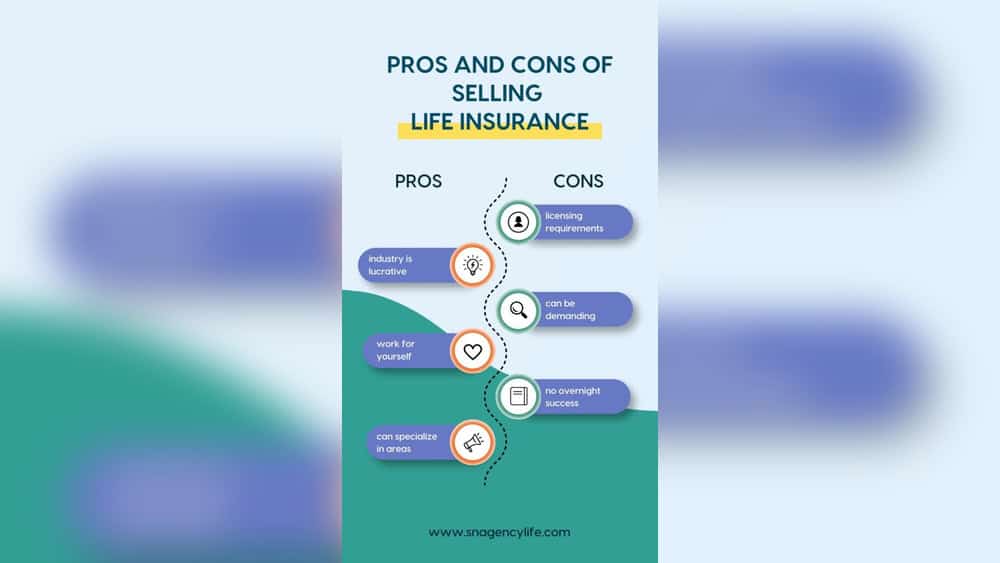
A career in life insurance sales offers many benefits:
- Flexible schedule: Set your own hours and work from different locations.
- Earning potential: Your income is often based on the number of policies you sell, so there is no strict salary limit.
- Job security: People always need insurance, even in tough times.
- Personal growth: You learn valuable sales, communication, and financial skills.
According to the U. S. Bureau of Labor Statistics, the median annual wage for insurance sales agents was about $57,860 in 2022. Top agents can earn much more, especially if they build a large client base.
Steps To Start Selling Life Insurance
Starting as a life insurance agent involves several important steps. Here is a simple guide to help you move forward:
1. Understand The Role And Your Motivation
Before you begin, consider why you want to sell life insurance. Are you interested in helping people? Do you like sales and working with numbers? This job requires patience, good listening skills, and comfort with rejection. Make sure your motivation matches the challenges and rewards of the field.
2. Meet Basic Requirements
You must:
- Be at least 18 years old
- Have a high school diploma or GED
- Pass a criminal background check
Some states may have extra requirements, such as residency or fingerprinting.
3. Complete Pre-licensing Education
Most states require you to finish a pre-licensing course. These courses teach you the basics of insurance, laws, and ethics. They can be done online or in person and usually take 20–40 hours.
4. Pass The State Licensing Exam
After finishing your course, you must pass a state licensing exam. The test covers insurance products, state rules, and ethical practices. Many people find the exam challenging, but good study habits and practice tests help a lot.
5. Apply For Your License
When you pass the exam, apply for your license through your state’s insurance department. There is a fee, and you may need to submit fingerprints and a background check.
6. Choose A Life Insurance Company Or Agency
You can work with:
- Captive agencies: You sell only their products (like State Farm or Northwestern Mutual).
- Independent agencies: You can sell policies from different companies.
Both options have pros and cons. Captive agencies often offer more training and leads, while independents allow more freedom and higher commissions.
7. Get Appointed With Carriers
To sell a company’s policies, you must be “appointed” by them. This means submitting paperwork and getting approval to represent that insurer.
8. Learn The Products
Take time to study different types of life insurance:
- Term life: Covers you for a set time (like 10, 20, or 30 years)
- Whole life: Lasts your entire life and builds cash value
- Universal life: Flexible coverage and savings options
Each product has unique features and ideal customers.
9. Start Finding Clients
Begin with people you know—family, friends, and acquaintances. As you grow, use referrals, networking, social media, and community events to meet new clients.
10. Keep Learning And Improving
The best agents always look for ways to get better. Attend workshops, read books, and ask for feedback. The more you learn, the more confident and successful you will become.
Key Skills For Success In Life Insurance Sales
Selling life insurance is more than knowing products. These skills are crucial:
Communication
You must explain complex ideas in simple terms. Clients rely on your advice, so clear and honest communication builds trust.
Listening
Good agents listen more than they talk. By understanding a client’s needs and worries, you can offer better solutions.
Organization
You will manage many clients, follow-ups, and paperwork. Strong organization helps you stay on top of tasks and deadlines.
Persistence
Rejection is common in sales. Persistence means not giving up after hearing “no”—many clients say yes after several conversations.
Empathy
Understanding how clients feel makes you a better advisor. Empathy helps you build lasting relationships and strong referrals.
Comparing Life Insurance Agent Paths
You can choose different paths as a new agent. Here is a quick look at the main options:
| Path | Main Features | Best For |
|---|---|---|
| Captive Agent | Works for one company, more training, company leads | Beginners needing support |
| Independent Agent | Offers many companies, higher earning potential | Experienced or confident agents |
| Broker | Shops for best deals for clients, high flexibility | Agents wanting client-first focus |
Choosing the right path depends on your experience, comfort level, and personal goals.
Essential Tools And Technology
Modern life insurance agents use many tools to help their work:
- CRM (Customer Relationship Management): Organizes client information and reminders.
- Quoting software: Quickly compares policy options and prices.
- E-signature tools: Lets clients sign documents online, making sales faster.
- Video calls: Helps you meet clients anywhere.
A strong online presence is also important. A simple website and active social media profiles make it easier for clients to find and trust you.
Typical Day For A Life Insurance Agent
Each day can be different, but many agents spend time on these tasks:
| Activity | Description | Time Spent (%) |
|---|---|---|
| Prospecting | Finding new clients through calls, emails, and meetings | 40 |
| Client Meetings | Discussing needs, giving advice, and selling policies | 30 |
| Paperwork | Filling out applications, submitting claims, and following up | 20 |
| Training | Learning new products and sales skills | 10 |
Early in your career, you may spend more time finding clients and less time meeting them. Over time, as your client base grows, the balance shifts.
Common Mistakes Beginners Make
Many new agents face the same problems. Here are mistakes to avoid:
- Not learning the products well enough: Clients expect answers. Study your policies inside and out.
- Focusing only on sales: Building relationships leads to more referrals and trust.
- Ignoring follow-up: Many sales happen after several contacts. Always check back with clients.
- Giving up too soon: Success takes time. Stay patient and persistent.
- Not asking for referrals: Happy clients will often recommend you if you ask.

How To Stand Out In Life Insurance Sales
If you want to succeed, do more than just the basics. Here are two insights many beginners miss:
- Specialize in a niche: For example, focus on young families, small business owners, or seniors. Specializing helps you become the “go-to” expert for a group.
- Offer more than insurance: Share tips about saving, budgeting, or planning for college. Being a resource builds long-term trust.
Also, use stories in your meetings. Share real-life examples (without personal details) of how insurance has helped families. This makes your advice more memorable and real.
Training And Support: What To Expect
Most companies offer training when you start. This can include:
- Sales scripts: Guides for what to say to clients
- Product training: Learning details of each policy
- Mentorship: Coaching from experienced agents
Some companies pay a small salary or “draw” while you build your business, but most of your income will come from commissions.
If you want extra training, many groups and websites offer courses. The National Association of Insurance and Financial Advisors (NAIFA) is a good place to find support and resources.
Income Potential And Commission Structures
Your income depends on the number and type of policies you sell. Here’s a basic idea of how commissions work:
| Product | First-Year Commission | Renewal Commission |
|---|---|---|
| Term Life | 50%–90% of first-year premium | 1%–5% yearly after |
| Whole Life | 80%–100% of first-year premium | 2%–6% yearly after |
| Universal Life | 50%–90% of first-year premium | 1%–5% yearly after |
Some companies offer bonuses or rewards for high sales or meeting goals. But remember, building a stable income takes time and client loyalty.
Licensing And Continuing Education
After getting your license, you must keep it active. Most states require you to:
- Renew your license every 1–2 years
- Complete continuing education (CE) courses (usually 12–24 hours per renewal period)
These courses keep you updated on new laws, products, and ethical practices. Not finishing your CE on time can mean losing your license.
To learn about your state’s rules, visit the official National Association of Insurance Commissioners website.
Frequently Asked Questions
What Is The Difference Between Term And Whole Life Insurance?
Term life insurance covers you for a specific period (like 20 years). If you die during that time, your family gets a payout. Whole life insurance lasts your entire life and includes a savings part, which can grow over time. Term is usually cheaper, while whole life costs more but adds savings.
How Much Does It Cost To Get Licensed As A Life Insurance Agent?
Costs vary by state but usually include pre-licensing courses ($50–$200), exam fees ($50–$100), and license application fees ($30–$150). There may also be fingerprinting or background check fees.
Do I Need A College Degree To Sell Life Insurance?
No, you do not need a college degree. A high school diploma or GED is enough. However, a college background in business, finance, or communications can help.
Can I Sell Life Insurance Part-time?
Yes, many agents start part-time. This can be a good way to learn the business and earn extra income while keeping another job. But building a strong client base is easier if you can work full-time.
What Makes A Successful Life Insurance Agent?
Success comes from good listening, strong communication, patience, and willingness to keep learning. Building trust with clients and always following up are key habits of top agents.
Starting a career in life insurance sales can be both challenging and rewarding. By following the steps above, learning from experienced agents, and always focusing on your clients’ needs, you can build a lasting and profitable business in this important field.