
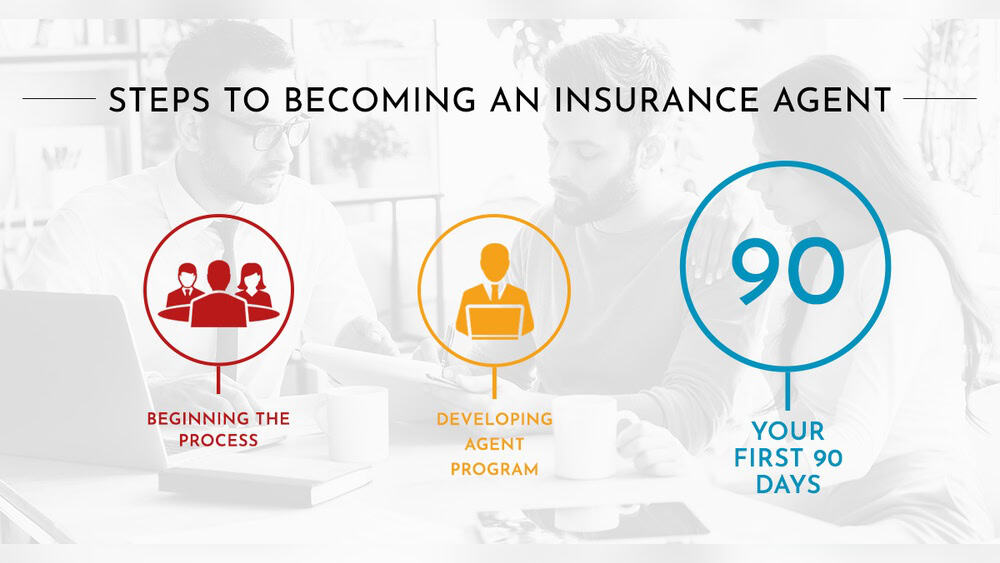
Starting a new career as a life insurance agent can be exciting and rewarding. Many people choose this path because it offers flexibility, financial growth, and the chance to help others protect their families. But entering the industry is not as simple as sending out a resume. You need to understand licensing, training, choosing the right company, and building your business. If you’re thinking about becoming a life insurance agent, this guide will help you take confident steps from zero experience to your first sale.
What Does A Life Insurance Agent Do?
A life insurance agent works with individuals and families to help them choose the best coverage for their needs. Agents explain policy options, answer questions, and guide clients through the buying process. Most agents also help clients review and update their policies as life changes.

Agents can work for insurance companies as employees, or as independent contractors. Some focus only on life insurance, while others offer additional products like health, disability, or retirement plans.
Understanding The Licensing Process
Before you can sell life insurance, you must become licensed in your state. Licensing requirements are set by state governments, and you must follow their rules. Here’s what you need to know:
Basic Steps For Licensing
- Meet eligibility requirements: Most states require you to be at least 18 years old and have a clean background.
- Complete pre-licensing education: You must take courses approved by your state. These usually cover insurance basics, ethics, and state laws.
- Pass the state exam: The exam tests your knowledge of insurance concepts and regulations.
- Submit your application: You pay fees and provide proof of education.
- Get fingerprinted: States require fingerprinting for a criminal background check.
- Receive your license: After approval, you’re officially allowed to sell life insurance.
Licensing Data Example
Here’s a sample comparison of licensing requirements for three popular states:
| State | Minimum Age | Pre-Licensing Hours | Exam Fee | Fingerprinting Required |
|---|---|---|---|---|
| California | 18 | 20 | $55 | Yes |
| Texas | 18 | 24 | $43 | Yes |
| Florida | 18 | 40 | $42 | Yes |
Tip: Check your state’s insurance department website for the most current requirements and fees.
Choosing The Right Insurance Company
After getting your license, the next step is to join an insurance company or become an independent agent. Your choice will affect your training, support, commissions, and work style.
Types Of Companies
- Captive companies: These firms offer agents only their products. They provide strong support, training, and sometimes leads. Examples include State Farm or Northwestern Mutual.
- Independent agencies: Agents can sell products from many companies. This gives more flexibility but usually less support.
- Direct carriers: Some companies hire agents to work directly with clients, but you may have less flexibility.
Comparing Company Types
| Type | Product Range | Training | Commission Structure | Lead Support |
|---|---|---|---|---|
| Captive | Limited | Strong | Fixed | Provided |
| Independent | Wide | Variable | Negotiable | Self-generated |
| Direct Carrier | Moderate | Basic | Fixed | Limited |
What To Look For
- Training programs: Good companies offer strong onboarding and continued learning.
- Commission rates: Compare pay structures carefully.
- Product selection: More products mean more ways to help clients.
- Reputation: Research company reviews and ratings.
- Support: Ask about lead generation, technology, and back-office help.
Non-obvious insight: Some beginners focus only on commission rates. But training, support, and product variety often matter more for long-term success.
Building Knowledge And Skills
To become a trusted agent, you must know more than basic policy details. Clients expect clear explanations and honest advice.
Insurance Product Types
- Term life insurance: Covers a set period (10, 20, 30 years). Lower cost, no cash value.
- Whole life insurance: Lasts a lifetime, builds cash value, higher premiums.
- Universal life insurance: Flexible coverage and payments, cash value grows with interest.
Essential Agent Skills
- Communication: Explain complex ideas in simple language.
- Sales techniques: Listen to client needs and match them with the right policy.
- Customer service: Build trust and long-term relationships.
- Time management: Balance prospecting, meetings, and paperwork.
- Problem-solving: Handle objections and find solutions.
Skill Development Tips
- Attend company training sessions and webinars.
- Practice role-playing sales conversations with peers.
- Stay updated with industry news and trends.
- Seek feedback from mentors or managers.
Non-obvious insight: Many new agents skip practice sessions. But role-playing real-life objections builds confidence and improves performance.
Finding And Serving Clients
Getting clients is the biggest challenge for new agents. You must learn how to prospect, market yourself, and build trust.
Ways To Find Clients
- Personal network: Ask friends and family for referrals.
- Cold calls: Contact people directly by phone or email.
- Community events: Attend local fairs, workshops, and business groups.
- Online marketing: Use social media, websites, and paid ads.
- Lead programs: Some companies provide lists of potential clients.
Example: Effective Prospecting
Suppose you join a local networking group. In your first month, you meet 30 new people. If 10% agree to a meeting, that’s three prospects. If one buys a policy, you’re building momentum.
Client Service Best Practices
- Respond quickly to questions and concerns.
- Explain benefits and risks honestly.
- Schedule policy reviews every year.
- Keep records of client interactions.
- Follow up after major life events (marriage, birth, retirement).
Common mistake: Many new agents push too hard for sales. Building relationships and trust leads to more referrals and long-term success.
Understanding Commission And Income Potential
Most life insurance agents earn commissions instead of salaries. Your income depends on the number and size of policies you sell.
Typical Commission Structure
- First-year commission: Can range from 40% to 100% of the first-year premium.
- Renewal commission: Smaller percentage (2%–10%) for future years.
- Bonuses: Some companies offer extra pay for meeting targets.
Sample Commission Data
| Policy Type | Annual Premium | First-Year Commission | Renewal Commission (Year 2+) |
|---|---|---|---|
| Term Life | $500 | $250 | $25 |
| Whole Life | $1,200 | $840 | $60 |
| Universal Life | $900 | $540 | $45 |
Important: It may take several months before you earn steady income. Many agents start part-time until their business grows.

Setting Up Your Business
If you become an independent agent, you’ll need to manage your own business. This includes legal, financial, and marketing tasks.
Key Setup Steps
- Register your business and get necessary permits.
- Open a business bank account.
- Set up client management software.
- Create a simple website or social media profile.
- Build a marketing plan.
Business Growth Tips
- Track expenses and income for tax purposes.
- Network with other agents for advice.
- Join industry groups like the National Association of Insurance and Financial Advisors (NAIFA).
- Review your goals every quarter.
Non-obvious insight: Many new agents forget to track their expenses. Accurate records help with taxes and show where to improve.
Continuing Education And Compliance
Insurance rules change often. You must keep your license active and follow ethical guidelines.
Continuing Education
Most states require agents to complete continuing education every 1–2 years. This covers new laws, products, and ethical standards.
- Check your renewal deadlines.
- Take courses from approved providers.
- Submit documentation on time.
Compliance Best Practices
- Follow all privacy laws (like HIPAA).
- Disclose all fees and commissions to clients.
- Avoid misleading sales tactics.
- Report any client complaints to your company.
External resource: For detailed compliance guidance, visit the National Association of Insurance Commissioners.
Frequently Asked Questions
How Long Does It Take To Become A Life Insurance Agent?
Most people can complete licensing in 2–8 weeks. This depends on your state, how quickly you finish pre-licensing courses, and the exam schedule.
What Are Typical Startup Costs For New Agents?
Expect to spend $300–$800 for licensing, exam fees, and basic marketing. Independent agents may need more for business setup and technology.
Do Life Insurance Agents Need A College Degree?
No, a college degree is not required. But strong communication and sales skills are important. Some companies prefer candidates with a degree, but it’s not mandatory.
Can I Work Part-time As A Life Insurance Agent?
Yes, many agents start part-time. This allows you to build skills and a client base before moving full-time. Be sure your company supports part-time work.
What Is The Earning Potential For New Agents?
Income varies widely. Most new agents earn $30,000–$50,000 in their first year if they work full-time. Top performers can earn much more over time.
Starting as a life insurance agent is a journey that mixes learning, sales, and service. If you follow these steps and stay focused, you can build a successful career helping people protect their futures. Remember, the first months are the hardest, but with smart choices and steady effort, you’ll see steady progress.
Good luck on your path to becoming a trusted life insurance agent!