
When you think about life insurance, you probably imagine peace of mind for your family and protection for their future. But finding the right company is more than just picking a popular name or the cheapest price. With so many options, confusing terms, and complicated contracts, it can be hard to know where to begin.
Getting this choice right could mean thousands of dollars in savings, better service, and security when your loved ones need it most. Let’s break down the most important steps to picking a life insurance company you can trust—without all the stress and jargon.

What Makes A Life Insurance Company “right”?
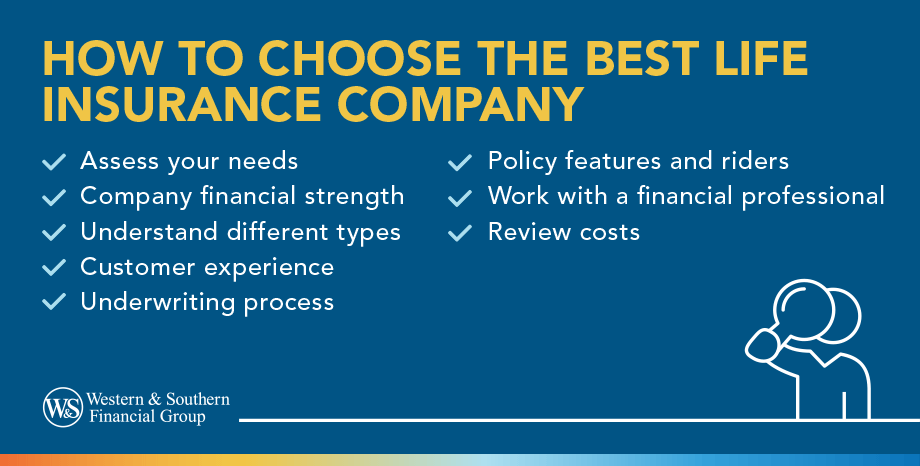
A good life insurance company is more than a name on a policy. The best companies combine financial stability, fair pricing, and excellent customer service. They are there for you in the long run, not just when you buy. Here’s what really matters:
- Ability to pay claims (financial strength)
- Types of policies offered
- Customer service and support
- Cost and fees
- Ease of application and claims
- Company reputation and reviews
Missing just one of these can cause big problems later. For example, a company with low prices but poor customer service can make claim time stressful. Or, a company with a great reputation but weak finances might not be able to pay out when needed.
Start With Financial Strength
Choosing a life insurance company is a promise for the future—sometimes 20, 30, or even 50 years ahead. That’s why the company’s financial health is the first thing to check. You want a company that can pay out claims, even decades from now.
How To Check Financial Ratings
Independent agencies like AM Best, Moody’s, S&P Global Ratings, and Fitch score insurance companies. These ratings show how strong and reliable a company is. Look for companies rated A or higher by these agencies.
Here’s a quick look at how some top companies rank:
| Company | AM Best | Moody’s | S&P |
|---|---|---|---|
| Northwestern Mutual | A++ | Aaa | AA+ |
| New York Life | A++ | Aaa | AA+ |
| MassMutual | A++ | Aaa | AA+ |
| Prudential | A+ | A1 | AA- |
A company with A+ or higher is usually a safe bet for long-term policies.
Why Ratings Matter
During the 2008 financial crisis, a few insurers with weak ratings struggled. Some were forced to merge or stopped new business. Even if this is rare, knowing your company is strong adds real peace of mind.
Types Of Life Insurance Policies Offered
Not all companies offer the same choices. The right company should have the type of life insurance that fits your needs—whether that’s term life for simple, low-cost protection, or whole life/universal life for lifelong coverage and cash value.
Here’s how some companies compare on policy options:
| Company | Term Life | Whole Life | Universal Life | No-Exam Option |
|---|---|---|---|---|
| State Farm | Yes | Yes | Yes | Yes |
| Banner Life | Yes | No | Yes | Yes |
| New York Life | Yes | Yes | Yes | No |
| Haven Life | Yes | No | No | Yes |
If you only need term life, most companies can help. But if you want permanent coverage or special riders (like disability or chronic illness), your list of choices will be smaller.
Compare Pricing And Fees
The price you pay for life insurance can vary a lot between companies, even for the same coverage. Two people of the same age, health, and lifestyle can get quotes hundreds of dollars apart. That’s why it’s important to compare.
What Affects Your Premium?
- Age and health: Younger, healthier people pay less.
- Coverage amount: Higher coverage means higher cost.
- Policy type: Term is cheaper than whole life.
- Add-ons/riders: Extra features cost more.
- Company pricing: Some companies price better for certain ages or health profiles.
For example, a 35-year-old non-smoking male might pay $22/month for a $500,000 20-year term policy with one company, but $30/month with another.
Watch For Hidden Fees
Permanent policies (like whole life) often come with extra fees. Ask about:
- Surrender charges (if you cancel early)
- Loan interest rates (if you borrow from your policy)
- Annual policy fees
Always ask for a full breakdown before you buy.
Customer Service And Claims Experience
When buying life insurance, you hope your family never needs to file a claim soon—but if they do, the company’s service is everything. Some companies make the process simple, while others can be slow or difficult.
What To Look For
- 24/7 customer support
- Online account access
- Easy claims process
- Personal agent support
- High customer satisfaction scores
Check the J.D. Power Life Insurance Study or Better Business Bureau (BBB) ratings. Companies with a high rating usually pay claims quickly and answer questions well.
Real-world Example
In 2022, State Farm ranked highest in J.D. Power’s study for customer satisfaction. Families reported fast, caring claim payouts and helpful agents.
Reputation And Reviews
A company’s reputation is built on how it treats people—not just when selling, but when paying out. Look for reviews from real policyholders. Read both positive and negative stories to get a balanced view.
Where To Find Honest Reviews
- Consumer Affairs
- BBB
- Trustpilot
- Reddit personal finance forums
If you see repeated complaints about slow claims or poor service, think twice.
Application Process And Underwriting
Some companies still use old-fashioned, paper-heavy processes. Others offer no-exam policies and instant approval. Your choice depends on how quickly you want coverage and how much health info you’re ready to share.
Traditional Vs. No-exam Life Insurance
| Feature | Traditional | No-Exam |
|---|---|---|
| Medical Exam Required | Yes | No |
| Approval Time | 2–8 weeks | Instant to 7 days |
| Coverage Amount | $100,000–$5M+ | Usually up to $1M |
| Price | Lower | Higher |
If you want fast coverage and don’t need a huge policy, no-exam life insurance is convenient—but expect to pay more.
Additional Features And Riders
Some companies offer riders (add-ons) to customize your policy. Useful options include:
- Accelerated death benefit: Get part of your payout early if terminally ill.
- Disability waiver of premium: Stop paying if you become disabled.
- Child rider: Add coverage for children.
- Chronic illness rider: Access funds if you have a serious illness.
Not every company offers every rider. If you need something special, check before you buy.
Common Mistakes When Choosing
Many people make these errors when picking a life insurance company:
- Choosing by price alone: The cheapest isn’t always the best if claims are slow or coverage is limited.
- Ignoring financial strength: A low-rated company may not be there for your family.
- Not reviewing the policy details: Missing out on key exclusions or hidden fees.
- Skipping customer reviews: Real stories can reveal hidden problems.
- Not comparing enough companies: Only looking at 1–2 options can cost you more.
It’s smart to get quotes from at least three companies before making a decision.
Two Insights Many Beginners Miss
First, the best company for your friend may not be best for you. Each insurer has its own pricing formula, which may favor your age, health, or even occupation differently. Second, some companies offer better rates for certain medical conditions (like diabetes or high blood pressure). If you have a health issue, look for a company with a history of approving people like you.
How To Compare And Make Your Final Choice
Now that you know the factors, here’s a step-by-step way to choose:
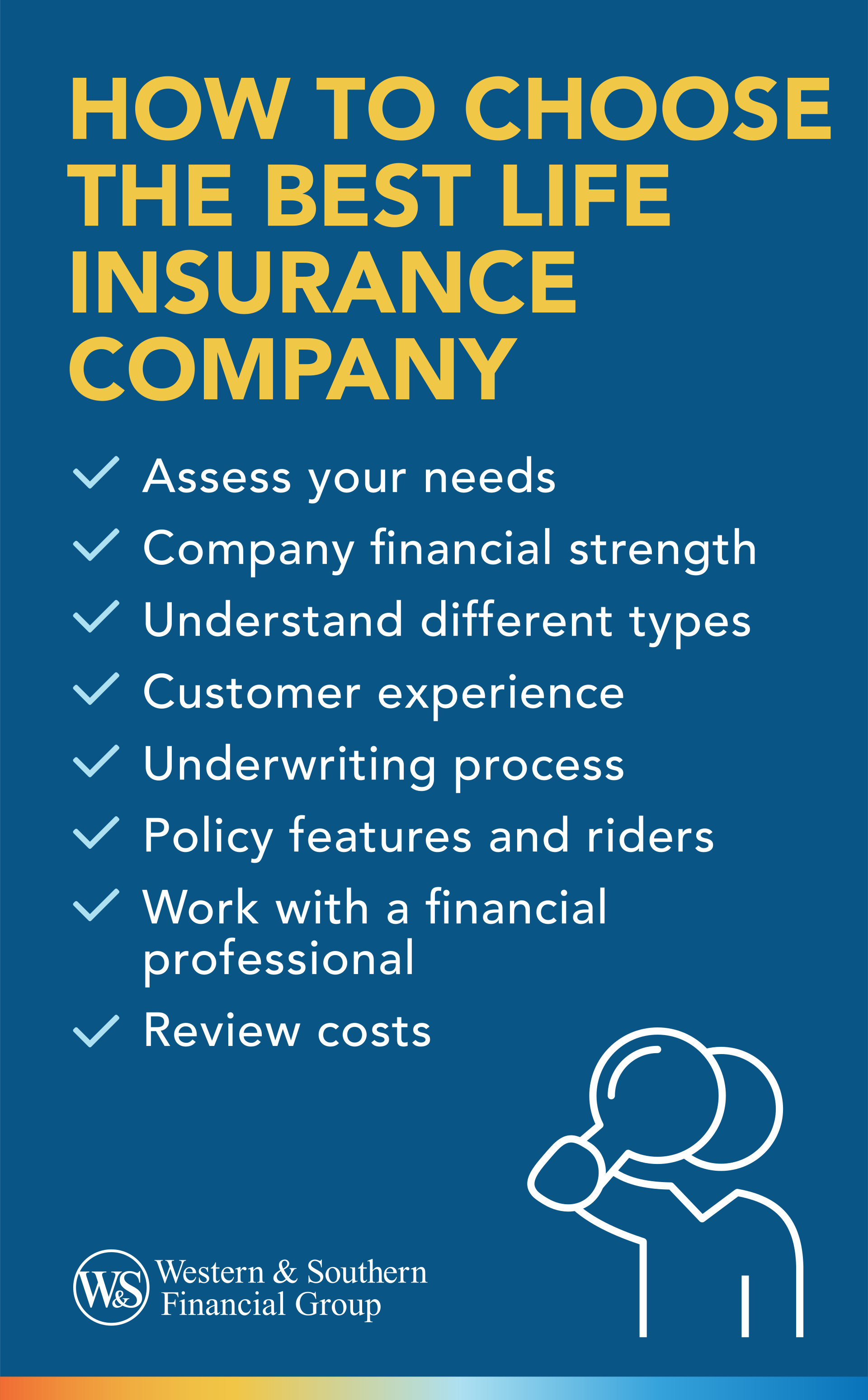
- List your needs: Decide on policy type, coverage amount, and any riders.
- Check financial ratings: Eliminate companies with less than A ratings.
- Get quotes: Use online tools or agents to compare prices.
- Review policy features: Make sure each option covers what you want.
- Read customer reviews: Look for red flags or high praise.
- Compare application processes: Decide if you want a medical exam.
- Ask about fees and exclusions: Get the full picture before you sign.
- Talk to an advisor if needed: A licensed agent can explain complex parts.
Don’t rush. A little extra time upfront saves money and stress later.
When Should You Change Companies?
If you already have life insurance but are unhappy with your company, you can switch. Reasons to change might include:
- Better rates elsewhere
- Poor customer service
- Need for different policy features
Before switching, make sure your new policy is active before canceling the old one, so you’re never uncovered.
Where To Find Trusted Information
For more on ratings and company reviews, visit this National Association of Insurance Commissioners (NAIC) resource. They offer unbiased info about company complaints and financial status.
Frequently Asked Questions
How Much Life Insurance Coverage Do I Need?
Most people need coverage equal to 10–15 times their annual income. Also, consider debts, children’s education costs, and other big expenses. Online calculators can help you estimate the right amount.
Is It Better To Buy From An Agent Or Online?
Both options work. Agents can give personal advice and explain complex policies. Online is faster and sometimes cheaper. Choose what feels easiest for you.
Can I Get Life Insurance With Health Problems?
Yes. Many companies offer policies for people with diabetes, high blood pressure, or other health issues. Rates may be higher, but it’s still possible. Some companies specialize in this.
How Quickly Are Life Insurance Claims Paid?
Most claims are paid within 7 to 30 days after filing, if all documents are correct. Delays happen if paperwork is missing or if the company needs to investigate.
What Happens If I Stop Paying My Premiums?
If you stop paying, your policy may lapse—meaning you lose coverage. Some permanent policies have cash value you can use to pay premiums for a while, but term life usually ends right away.
Choosing the right life insurance company is a big decision, but it doesn’t have to be overwhelming. Focus on strength, service, and the policy features that matter most to you. Take your time, compare options, and you’ll find a company that gives you and your loved ones true peace of mind.