
How Do You Know If Someone Has Life Insurance
Life insurance is often a private matter. Many people buy a policy to protect their family, but may not tell anyone about it. After someone passes away, finding out if they had life insurance can be confusing and stressful for loved ones.
Sometimes, families miss out on benefits simply because they don’t know a policy exists. This guide explains how you can discover if someone had life insurance, why it matters, and the best steps to follow. You’ll also learn about common signs, search methods, and mistakes to avoid.

Why Knowing About Life Insurance Matters
When a person dies, their financial matters become important. Life insurance benefits can pay for funeral costs, debts, or support family members. Not claiming a policy means losing money that was meant to help. Insurance companies do not always contact beneficiaries unless they know about the death. In the US, billions of dollars in unclaimed life insurance benefits sit untouched. According to the National Association of Unclaimed Property Administrators, there are over $1 billion in unclaimed life insurance policies. This shows how vital it is to check carefully.
Signs Someone Might Have Life Insurance
While there is no single way to know, there are clues and patterns that can help you guess if someone had life insurance. Here are some signs:
- Regular payments to insurance companies: Check bank statements for withdrawals to insurance firms.
- Policy documents: Look for papers labeled “life insurance” or from well-known insurance brands.
- Emails or letters: Search for correspondence from insurance companies.
- Employer benefits: Many jobs offer group life insurance, so ask about work benefits.
- Financial advice: If the person visited a financial advisor, they may have discussed life insurance.
- Safe deposit boxes: Many people keep important documents here.
Remember, some signs are not obvious. For example, the policy might be stored digitally, or the person may have paid premiums online. Missing these clues is common, so check carefully.
Credit: choicemutual.com
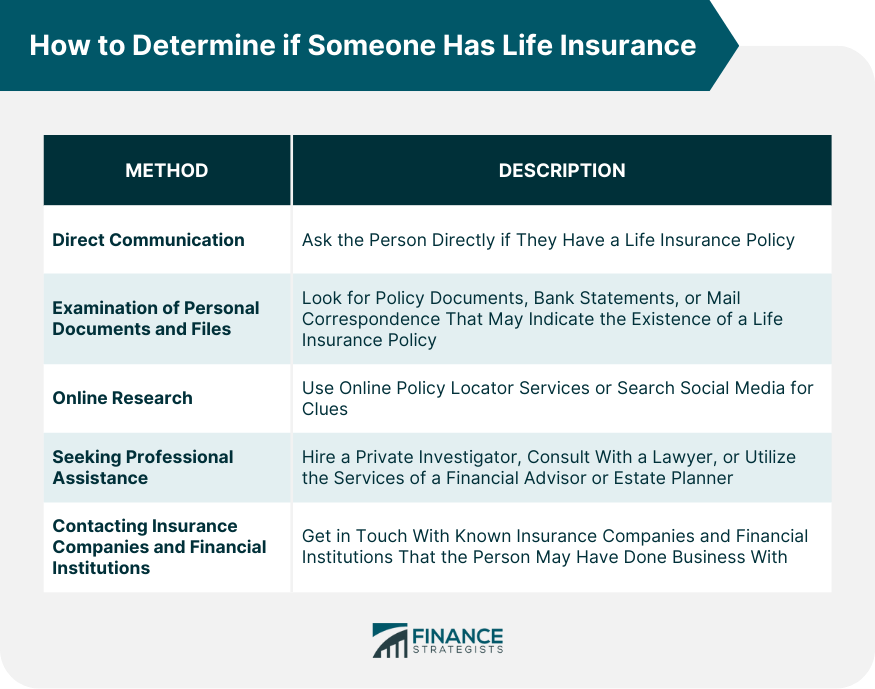
Common Ways To Search For Life Insurance Policies
Finding out if someone had life insurance requires patience and a systematic approach. Here are the best ways:
1. Check Personal Records
Start by searching the person’s home, files, and online accounts. Look for:
- Policy statements
- Premium notices
- Receipts
- Insurance company contact details
Sometimes, policies are hidden in folders labeled “finances” or “important papers. ” Don’t forget to check email accounts for digital records.
2. Review Bank And Credit Card Statements
Insurance premiums are often paid monthly or yearly. Look for payments to insurance companies. You may find company names like MetLife, Prudential, or State Farm. If you see repeating payments, note the amounts and dates.
3. Contact Employers
Many companies offer group life insurance as part of employee benefits. Contact the HR department to ask if the deceased had coverage. Some policies continue after retirement, so check past employment records as well.
4. Reach Out To Financial Advisors Or Lawyers
If the person had a financial planner, accountant, or attorney, ask them directly. Professionals often keep records of life insurance policies or can guide you to the right place. They may also know about policies purchased many years ago.
5. Search State Insurance Databases
Some states have online tools to help find lost policies. For example, the National Association of Insurance Commissioners (NAIC) has a policy locator service. You can enter the person’s details and see if any companies report an active policy.
6. Check Safe Deposit Boxes
Visit the deceased’s bank and request access to their safe deposit box. You may need legal permission. Boxes often contain original policy documents, which are needed to claim benefits.
7. Ask Family And Friends
Sometimes, close relatives or friends know about a policy. They might remember conversations, see documents, or be named as beneficiaries. Don’t hesitate to ask.
Comparing Policy Types And Where They’re Usually Found
Not all life insurance policies are the same. Some are bought privately, others through work, and some as part of loans or credit cards. Here’s a comparison:
| Policy Type | Where It’s Found | Common Beneficiaries |
|---|---|---|
| Individual Policy | Home, safe deposit box, financial advisor | Family members, spouse, children |
| Group Policy | Employer records, HR department | Spouse, dependents |
| Credit Life Policy | Loan documents, credit card paperwork | Lender, family if extra coverage |
Knowing the type of policy helps you focus your search. For example, if the person had a mortgage, check for credit life insurance with the lender.
Key Information Needed To Find A Policy
To search for life insurance, you often need certain details:
- Full name
- Date of birth
- Social Security number
- Previous addresses
- Employer names
- Financial advisor details
Having these facts makes it easier to fill online forms or contact insurance companies. Sometimes, you’ll need proof of death, like a death certificate, to access information.
Mistakes People Make When Searching
Finding a life insurance policy is not always easy. Many people make mistakes that delay the process or cause them to miss benefits:
- Only checking paper records: Some policies are online or in email accounts.
- Ignoring small payments: Even minor premium payments can lead to large benefits.
- Not asking employers: Group policies are common but often forgotten.
- Missing safe deposit boxes: Important documents are frequently stored in banks.
- Failing to use state databases: These tools can reveal hidden or forgotten policies.
An extra tip: Don’t assume that just because the person never talked about life insurance, they didn’t have it. Many people buy a policy and keep it private.
Credit: www.financestrategists.com
How To Claim Life Insurance Benefits
Once you find a policy, you’ll need to claim the benefits. Here’s a step-by-step guide:
- Get a copy of the death certificate: This is required by all insurance companies.
- Contact the insurer: Use the company’s phone number or website.
- Complete a claim form: Provide details about the deceased and your relationship.
- Submit documents: Include proof of identity and the original policy if available.
- Wait for approval: Processing can take a few weeks.
If multiple beneficiaries are named, each person must complete their own claim form. If you run into problems, contact the insurance company’s customer service or consult a lawyer.
What If You Can’t Find A Policy?
If all your searches fail, consider these options:
- Use state unclaimed property programs: Many states hold unclaimed insurance benefits.
- Hire a search service: Some companies specialize in finding lost policies for a fee.
- Ask banks and credit unions: They may have records of policy purchases.
Insurance companies are required to pay out benefits if they know about the death and the policy. However, if no one claims, the money may be held by the state. For more information about state programs, visit the National Association of Insurance Commissioners.
Credit: choicemutual.com
Comparing Search Methods: Success Rate And Speed
Different ways of searching have different success rates and speeds. Here’s a comparison:
| Search Method | Success Rate | Average Speed |
|---|---|---|
| Personal records | High | 1-2 days |
| Bank statements | Medium | 2-5 days |
| Employer inquiry | High | 1 week |
| State database | Low | 2-4 weeks |
| Professional search service | Medium | 2-6 weeks |
Starting with personal records and employer inquiries is usually fastest and most effective.
What To Do If You Discover A Policy
If you find a policy, act quickly:
- Read the policy: Check who is named as beneficiary.
- Contact other beneficiaries: If you’re not the only one, coordinate with others.
- Notify the insurance company: Give them all required information.
- Keep copies of all documents: This protects you if there are disputes.
If the policy is old, don’t worry. Insurance companies must pay out as long as the policy was active at the time of death.
Non-obvious Insights For Beginners
Many beginners miss these points:
- Digital policies are common: Many people buy life insurance online, so check digital accounts and email.
- Policies may be attached to loans: If the deceased had a large loan or mortgage, life insurance may be part of the package.
- Beneficiaries can change: Sometimes, the person updated their policy years ago. Always check the latest documents.
These details can make the difference between finding or missing a policy.
Frequently Asked Questions
How Long Does It Take To Find A Life Insurance Policy After Someone Dies?
Finding a policy can take from a few days to several weeks, depending on how organized the person was. If documents are easy to find, it’s quick. If you need to contact employers, banks, or use state databases, it may take longer.
Can You Find Out About A Policy Without Being A Beneficiary?
Yes, you can often learn if a policy exists by checking records or contacting employers. However, only beneficiaries can claim the benefits. Insurance companies may not share details with non-beneficiaries, but state databases can help you confirm if a policy exists.
What Happens If Life Insurance Is Unclaimed?
If no one claims the policy, the money is usually held by the insurance company or eventually sent to the state’s unclaimed property office. You can search these offices for lost benefits even years later.
Is It Possible To Search For Policies Online?
Yes, many states and companies have online tools. Use the NAIC Policy Locator or the insurance company’s website. You will need the deceased’s personal details, and sometimes a copy of the death certificate.
What Documents Are Required To Claim Life Insurance?
You’ll need the death certificate, proof of identity, and sometimes the original policy. Insurance companies may ask for extra paperwork, especially if the policy is old or the beneficiary information is unclear.
Finding life insurance can be a challenge, but with careful searching and understanding, you can discover and claim benefits meant for your family. Always check all possible sources and don’t overlook digital records. Knowing where to look and what to ask will help you get the support you need during a difficult time.