
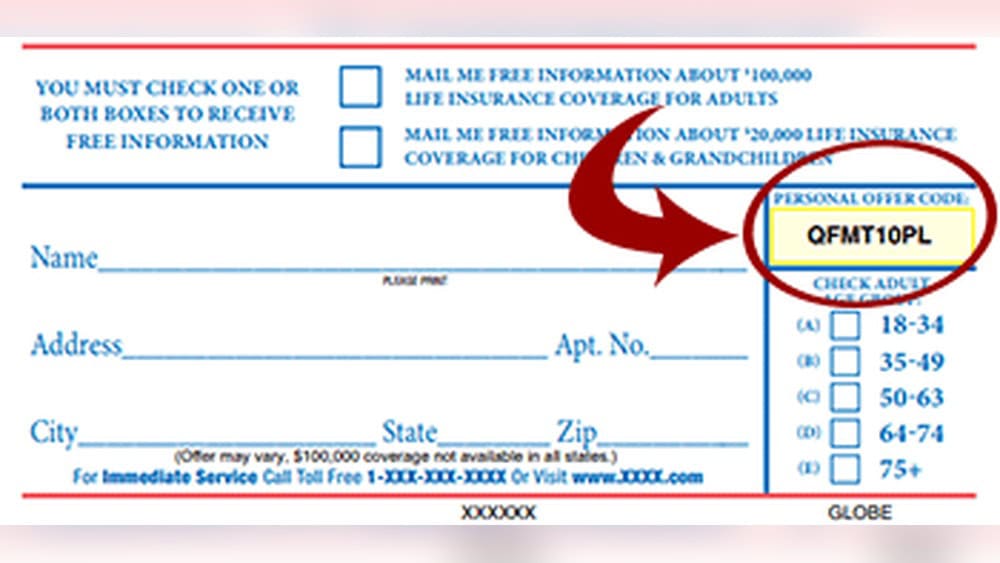
People often wonder why they receive global life insurance mail at their home or office. Sometimes, these letters come from companies they have never heard of, offering policies that promise security anywhere in the world. For many, this raises questions: How did the company get my address? Why do I keep getting these offers? Is this mail legitimate, or is it a scam? In today’s world, understanding how global life insurance mail reaches people is important—not just to avoid unwanted offers, but also to protect your privacy and make informed decisions.
This article will explain the process behind these mailings, how your information is used, and what you should do when you receive such offers. You will learn about data collection, marketing tactics, and ways to control what comes to your mailbox. If you travel or live abroad, or if you simply want to know how the insurance industry works, this guide will help you see the full picture.

What Is Global Life Insurance?
Global life insurance is a type of policy designed for people who move or live in more than one country. It covers the insured person no matter where they are in the world. This is different from local life insurance, which usually only covers claims within one country.
Who Buys Global Life Insurance?
- Expats: People who live and work outside their home country.
- Frequent travelers: Business people who travel often for work.
- International families: Families with members living in different countries.
- Digital nomads: People who work online and move from country to country.
Some global life insurance plans offer extra benefits, like coverage for emergency medical evacuation, worldwide death benefits, and help in many languages.
Why Do People Receive Global Life Insurance Mail?
The main reason people receive global life insurance mail is marketing. Insurance companies and brokers want to reach new customers, especially those who may need international coverage. These companies use several ways to find people who might be interested.
How Companies Collect Your Data
Most people do not realize how much personal information is shared or sold. Here are some common ways companies get your address:
- Public records: Voter registrations, property records, and business licenses are often available to the public.
- Purchasing data lists: Companies buy mailing lists from third-party data brokers. These brokers collect data from online forms, magazine subscriptions, travel agencies, and even loyalty cards.
- Partner companies: If you have used travel services, relocation companies, or international tax firms, your data might be shared with insurance partners.
- Online behavior: Visiting certain websites or filling out online quizzes can lead to your data being collected and added to marketing lists.
Non-obvious insight: Even if you never gave your address directly to an insurance company, your information might be included in a data set that is resold many times.
Why Target You With Mail?
Direct mail is still a powerful tool for insurance companies, even in the digital age. Physical mail gets more attention than email, and many people trust letters more than online ads. Companies believe that people who travel or live internationally might need special insurance, so they focus on these groups.

How Does Global Life Insurance Mail Reach You?
When you receive a letter or postcard about global life insurance, the process usually follows these steps:
- Data gathering: Your name and address are collected by a data broker or partner company.
- List building: Insurance companies buy or rent lists based on their target customers (such as people with international addresses or expat communities).
- Mail campaign design: The company creates offers, sometimes personalized with your name or location.
- Printing and mailing: A marketing agency prints the materials and sends them using postal services in your country or internationally.
- Follow-up: Some companies may follow up with emails or phone calls if you respond or if they have your other contact information.
This process is used not only for insurance, but also for credit cards, loans, and other financial products.
Example Of Data Flow
Here’s a practical scenario:
- You sign up for an expat newsletter.
- The newsletter sells its subscriber list to a data broker.
- The data broker sells your information to an insurance company.
- The insurance company sends you a mail offer for global life insurance.
Non-obvious insight: Data brokers sometimes “clean” their lists by matching them with other data, making them more accurate. This is why you may get mail that seems surprisingly personal.
Is Global Life Insurance Mail Legitimate?
Most global life insurance mail is legal and sent by real companies. However, not all offers are equal, and some could be scams or misleading deals.
How To Identify Legitimate Offers
Look for these signs of a real company:
- Registered business name and address
- Official website with clear contact details
- No requests for sensitive information (like social security numbers) in the first letter
- Clear explanations of what the policy covers
If you are unsure, search for the company name online. You can also check with your country’s insurance regulator.
Common Red Flags
- Offers that promise huge benefits for a very low price
- Letters that pressure you to act fast
- No clear way to contact the company by phone or website
- Spelling or grammar mistakes in the letter
If you get a suspicious letter, do not respond or share any personal details.
How To Manage And Stop Unwanted Mail
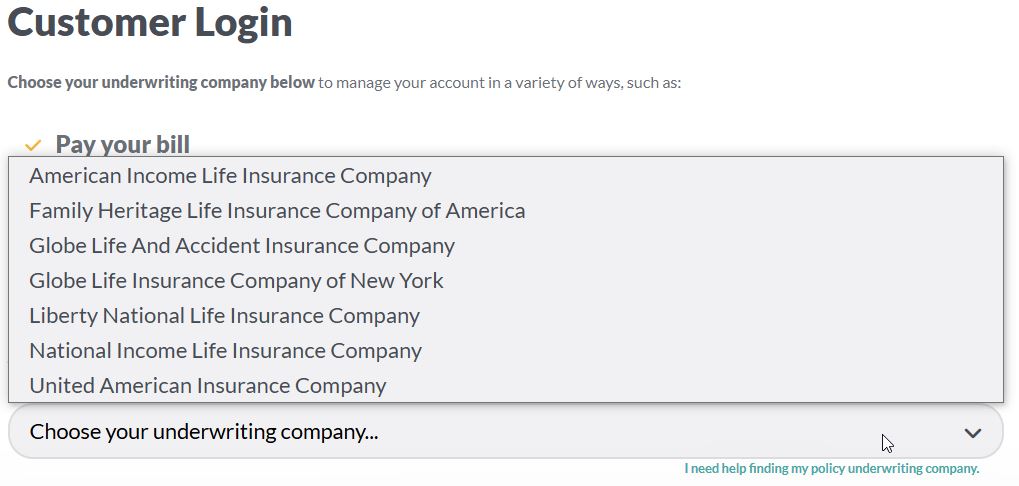
Many people want to reduce or stop global life insurance mail. While it is hard to remove your address from every list, you can take some steps.
- Opt out: Look for an opt-out address or website in the mail. Some companies let you remove your name from their list.
- Contact data brokers: Ask major brokers to remove your details. In the US, companies like Acxiom, Experian, and Epsilon let you opt out.
- Register with mail preference services: Some countries have services to block junk mail (like the Direct Marketing Association in the US).
- Be careful with your data: Avoid giving your address to non-essential services, and read privacy policies before sharing personal details.
Why You May Still Receive Mail
Not all companies update their lists quickly, and your data may have already been sold to many businesses. It can take months before you see a real decrease in mail.
Practical tip: Do not respond to unwanted offers. Replying—even to ask for removal—can confirm that your address is active and lead to more mail.
How Insurance Companies Use Data For Targeting
Insurance companies do not send mail at random. They use data analytics to find the most likely buyers. Here’s how the process works:
Targeting By Behavior And Demographics
- Travel history: People with visas, frequent flyer memberships, or international shipping addresses.
- Age and family status: Middle-aged professionals, families moving abroad, or retirees living overseas.
- Income level: People who buy expensive products or have premium credit cards.
Companies use this data to create “customer profiles” and send tailored offers.
Data Table: Data Sources For Global Life Insurance Mail
Here’s a quick comparison of common data sources:
| Data Source | How Data Is Collected | How Often Used |
|---|---|---|
| Travel Agencies | Booking forms and loyalty programs | Very Common |
| Property Records | Public government databases | Common |
| Online Newsletters | Email sign-ups and surveys | Moderate |
| Credit Bureaus | Credit applications | Less Common |
Note: Data brokers may combine several sources for a more complete profile.
Comparing Global Vs Local Life Insurance Offers By Mail
Not all insurance mail is the same. Here’s how global life insurance mail is different from local life insurance offers:
| Feature | Global Life Insurance | Local Life Insurance |
|---|---|---|
| Coverage Area | Worldwide | One country |
| Target Audience | Expats, travelers, nomads | Residents, citizens |
| Premiums | Higher (due to global risk) | Lower |
| Language Options | Multiple languages | Usually one language |
| Mail Personalization | More personalized | Less personalized |
Key point: If you receive an offer that says “worldwide coverage,” it is likely from a company that specializes in global policies.
Should You Respond To Global Life Insurance Mail?
Receiving global life insurance mail does not mean you need to buy a policy. You should only respond if you are interested and have checked that the company is reputable.
When To Consider Responding
- You plan to move or work in another country.
- You have family members living overseas.
- You want life insurance that will pay out no matter where you are.
When To Ignore Or Discard
- You do not travel or live internationally.
- The offer is from an unknown or suspicious company.
- You are happy with your current life insurance.
Extra tip: Always compare offers from different sources before making a decision. Do not rush into buying from the first mail you receive.
How To Protect Your Privacy
To reduce unwanted mail and protect your privacy, you can:
- Use a P.O. Box instead of your home address for subscriptions or online orders.
- Check privacy settings before sharing your address with any company.
- Shred mail with personal data before throwing it away.
Practical example: If you move to another country, update your address only with trusted services, not with every website you use. The fewer places your data appears, the less junk mail you will get.
What To Do If You Suspect A Scam
Some mail offers are designed to look real but are actually scams. If you are not sure, follow these steps:
- Do not call phone numbers in the letter; find the official company number online.
- Never send money or personal documents until you verify the company.
- Report suspicious mail to your country’s consumer protection agency.
For more tips on spotting scams, you can visit the Federal Trade Commission website.
Data Table: Common Features In Legit Vs Scam Insurance Mail
Here’s a quick look at how to tell the difference:
| Feature | Legit Insurance Mail | Scam Mail |
|---|---|---|
| Company Name | Easy to verify | Unknown or missing |
| Contact Details | Phone, website, address | Email only, no website |
| Pressure Tactics | Information only | Urgent deadline, threats |
| Request for Payment | After policy approval | Immediate payment |
Knowing these differences can help you avoid common mistakes.
Frequently Asked Questions
Why Do I Get Global Life Insurance Mail Even If I Never Asked For It?
Companies often get your address from data brokers, public records, or partner businesses. You might have shared your data with one company, and it was later sold to others.
Is It Safe To Reply To Global Life Insurance Mail?
It is safe if the company is legitimate, but always check their reputation first. Never share sensitive information unless you are sure about the company.
Can I Stop Receiving Global Life Insurance Offers?
You can reduce unwanted mail by opting out with the sender, using mail preference services, and removing your data from broker lists. But it may take time to see results.
How Do I Know If A Global Life Insurance Company Is Real?
Check for a business license, search for the company online, and look for reviews. Trusted companies will have clear contact details and a professional website.
Does Global Life Insurance Cover All Countries?
Most policies cover many countries, but some exclude certain places due to war or high risk. Always read the terms carefully before buying.
Receiving global life insurance mail can be confusing, but understanding how companies find your information gives you control. With this knowledge, you can spot offers that match your needs and avoid scams or unwanted mail. Stay informed and protect your privacy for a better experience with financial products.
