

When someone passes away, their family faces many decisions. One common question is whether life insurance must be used to pay the deceased’s debts. This topic can be confusing because laws, policy terms, and family situations all matter. Let’s explore how life insurance works after death, and whether creditors can claim the payout.
What Happens To Debts When Someone Dies?
When a person dies, their debts do not simply disappear. The process to handle these debts is called estate settlement. The deceased’s estate includes all their property, money, and belongings. The estate is used to pay off debts and distribute what is left to heirs.

Creditors can claim money from the estate, but not from every asset. Some assets, like life insurance, often stay separate.
Typical Estate Settlement Process
- A family member or legal representative is appointed as executor.
- The executor lists assets and debts.
- Creditors are notified and given time to claim what is owed.
- Debts are paid from the estate, starting with taxes, then loans, credit cards, and final bills.
- Remaining assets are given to heirs.
Most debts are paid from the deceased’s estate, not from life insurance payouts. This is a key difference many people don’t realize.
Life Insurance: Who Gets The Money?
Life insurance is a contract. The insurance company promises to pay a set amount to a chosen beneficiary after the insured person dies. The beneficiary could be a spouse, child, friend, or even a business partner.
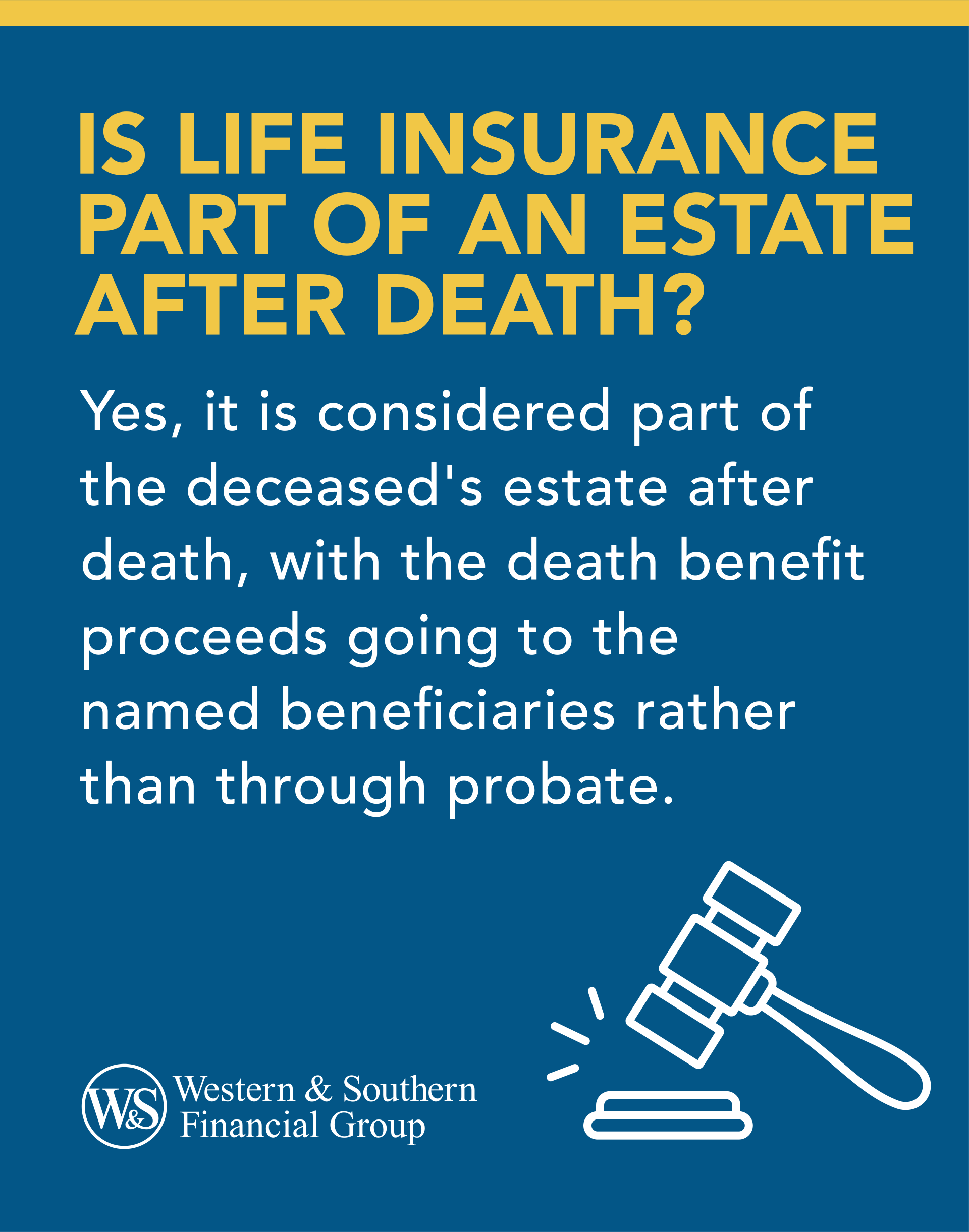
The payout is usually sent directly to the beneficiary, not to the estate. This means the money is not included with other estate assets. Because of this, creditors cannot automatically claim life insurance money to cover debts.
Here’s a simple comparison to show how different assets are treated:
| Asset Type | Paid to Estate | Creditor Access |
|---|---|---|
| Bank Accounts | Yes | Yes |
| Home/Property | Yes | Yes |
| Life Insurance | No (Usually) | No (Usually) |
When Can Life Insurance Be Used To Pay Debts?
In most cases, life insurance money goes straight to the beneficiary. Creditors cannot touch it. However, there are exceptions:
- The estate is the beneficiary: If no person is named, or the beneficiary has died, the payout goes to the estate. In this case, creditors can claim the money to pay debts.
- Some states have special laws: A few states may allow creditors to claim life insurance if the deceased owed taxes or certain types of debts.
- Fraud or improper naming: If the policy was set up to hide money from creditors, courts may allow claims.
These situations are rare. In most cases, naming a person as a beneficiary keeps life insurance safe from creditors.
Real-world Examples
Let’s look at two real-life cases:
- John has a $100,000 life insurance policy. He names his wife as the beneficiary. John dies with $20,000 in credit card debt. The insurance company pays his wife. Creditors cannot claim this money; John’s wife keeps the full amount.
- Maria did not name a beneficiary. Her life insurance pays out to her estate. She owes $15,000 on a car loan. The estate must pay the loan before heirs get any money.
This shows why choosing a beneficiary is so important.

Common Misunderstandings
Many families believe that life insurance must be used to pay debts. This is often false. Here are two mistakes people make:
- Assuming all assets go to creditors. In reality, life insurance is protected if a person is named as beneficiary.
- Not naming a beneficiary. This causes the payout to go to the estate, making it available to creditors.
Planning ahead can prevent these problems.
Beneficiaries And Estate Planning
To protect life insurance from creditors, always name a beneficiary. It’s best to review this every few years, especially after big life changes like marriage, divorce, or a birth.
Here’s a quick table showing beneficiary choices and their impact:
| Beneficiary Type | Creditor Protection | Risk Level |
|---|---|---|
| Spouse/Child | High | Low |
| No Beneficiary | None | High |
| Estate | None | High |
Keeping your policy up to date is a simple way to protect your loved ones.
Non-obvious Insights
- Life insurance proceeds are not taxed as income for the beneficiary in most cases. This means the money paid is often more than other assets.
- Some policies have cash value that can be accessed before death. If the owner borrows against this, it may reduce the final payout.
- Group life insurance through work often names the estate as the beneficiary by default. Always check your policy.
These points are missed by many beginners, but they can make a big difference.
Practical Steps For Families
If you want to keep life insurance money safe from creditors, follow these steps:
- Name a person, not your estate, as beneficiary.
- Review your policy after major life events.
- Ask your insurance agent about state laws.
- If you have large debts, talk to a financial planner.
Most families find these steps easy and helpful.

Frequently Asked Questions
Can Creditors Claim Life Insurance Money If I Name A Beneficiary?
No, if you name a person as beneficiary, creditors cannot claim the payout.
What Happens If There Is No Beneficiary?
The payout goes to the estate, and creditors can claim the money to cover debts.
Are Life Insurance Proceeds Taxable?
Usually, life insurance proceeds are not taxed as income for the beneficiary. However, estate taxes may apply in rare cases.
Can Life Insurance Be Used To Pay Funeral Costs?
If the estate is the beneficiary, the money can pay funeral costs. If a person is named, it is their choice to use the funds for funeral expenses.
How Can I Protect My Life Insurance Payout From Creditors?
Name a specific person as your beneficiary, and review your policy regularly to keep it up to date.
Handling life insurance after someone dies can be stressful, but understanding these rules helps you protect your loved ones. For more details, see this Investopedia guide. Making smart choices with beneficiaries ensures your family gets the support they need, without interference from creditors.