
Can You Change The Insured On A Life Insurance Policy?
Life insurance is a powerful tool for protecting families, paying off debts, and even passing on wealth. But sometimes, life changes in ways we don’t expect. Maybe you bought a policy for one person, but now you wish to cover someone else. This leads to a common question: Can you change the insured on a life insurance policy? Many people are surprised by how complex the answer can be. Understanding this topic can help you avoid expensive mistakes, plan better for your family’s future, and make sure your policy always fits your needs.
This article explains how life insurance policies work, whether you can switch the insured person, and what your real options are. You’ll learn about the rules, the rare exceptions, and the alternatives you actually have. We’ll also look at why insurance companies don’t usually allow this, and what you can do if your needs change after you buy a policy.

By the end, you’ll understand the practical steps you can take—and the common traps that catch many people off guard.
The Basic Structure Of A Life Insurance Policy
To understand whether you can change the insured, you need to know the main roles in a life insurance policy. Here are the key parties:
- Policyowner: The person who buys and controls the policy.
- Insured: The person whose life is covered by the policy.
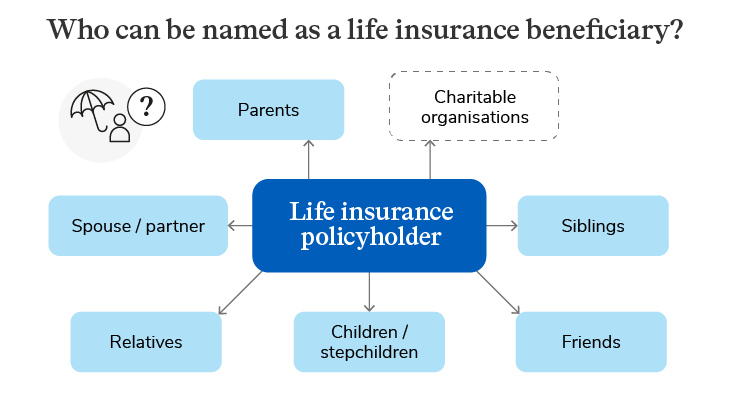
- Beneficiary: The person (or people) who get the death benefit if the insured dies.
- Insurance company: The organization that issues and manages the policy.
When you buy life insurance, you choose who is insured and who will receive the payout. The policyowner often buys coverage on themselves, but not always. For example, a parent might buy a policy on their child, or a business might buy on a key employee.
A common mistake is thinking the policy is “just a contract” that you can change however you want. In reality, life insurance contracts are carefully designed to prevent certain changes—mainly for risk and fraud reasons.
Why These Roles Matter
You can often change the beneficiary (who gets the money), but not the insured (whose life is covered). This is a key difference. Changing the insured would change the entire risk calculation for the insurance company. Imagine buying a policy on a healthy 25-year-old, then switching to a sick 60-year-old later. That would break the math and could put the insurer out of business.
Is It Possible To Change The Insured Person?
The short answer is: In almost all cases, you cannot change the insured person on a life insurance policy. Once the policy starts, the insured is fixed. If you want to insure someone else, you usually need a new policy.
There are a few rare exceptions, which we’ll cover later. But for most people and most policies, the answer is no.
Why Don’t Insurers Allow This?
Life insurance companies use complex statistics, called mortality tables, to set prices and manage risk. Every policy is priced based on the age, health, and lifestyle of the insured at the time the policy is issued. Allowing a policyholder to switch the insured would destroy the math that keeps the company solvent.
There are also legal and fraud reasons. Insurers need to make sure there is an insurable interest when the policy is bought. This means the policyowner would lose money or suffer financially if the insured died. If you could switch insureds, people could buy policies for one person, then switch to a stranger or someone at high risk, which would be open to abuse.
How Life Insurance Contracts Work
Life insurance is a unilateral contract. This means only the insurer makes promises that are legally binding (to pay if the insured dies), as long as the policyowner pays the premiums. The policy is built around the insured’s unique risk profile. Changing that person would require rewriting the entire contract.
Policy Types: How They Affect Changing The Insured
Not all life insurance policies are the same. Here’s how the main types handle this issue:
Individual Life Insurance Policies
These are the most common. The insured is fixed for the life of the policy. You cannot change the insured once the policy is issued.
Group Life Insurance
In employer-sponsored group life policies, the insured person is the employee. Coverage ends when they leave the group (e. g. , quit or retire). You still can’t switch the insured to someone else.
Joint Life Policies
Some policies insure two people on the same contract, such as spouses. These are called joint life or survivorship policies. Even here, you cannot substitute or swap the insureds after the contract starts. The policy is still tied to the original people.
Key Person And Business Policies
Businesses sometimes buy life insurance on employees, called key person insurance. The business is the owner and beneficiary, and the employee is the insured. If the employee leaves, you can’t simply switch the insured to a new person. The company must buy a new policy for the replacement.
The Rare Exceptions: When Can You Change The Insured?
While you usually cannot change the insured, there are a few exceptions. But these are rare and come with strict rules.
1. Policies With A Change Of Insured Rider
Some universal life insurance and corporate-owned life insurance (COLI) policies may include a special rider (an extra feature) called a change of insured rider. This rider is designed mainly for businesses, not individuals.
For example, a business might buy a universal life policy on a key executive and add this rider. If the executive leaves or retires, the business can name a new key employee as the insured—but only if the new person passes all medical exams and underwriting. The insurer must approve the change.
Important: These riders are uncommon in personal policies. Most individuals do not have this option.
2. Some Trust And Estate Planning Scenarios
Very advanced trust arrangements, like certain irrevocable life insurance trusts (ILITs), may be set up in a way that allows some flexibility. However, this requires careful legal planning and is not a true “change of insured”—it’s more about who owns or benefits from the policy, not whose life is insured.
3. Some Corporate-owned Policies
In some COLI or bank-owned life insurance (BOLI), the company may be able to switch the insured to another employee under certain conditions. Again, this is highly regulated, and the change usually needs full underwriting and approval.
Table: Typical Flexibility By Policy Type
Here’s a quick look at how flexible different life insurance types are regarding changing the insured:
| Policy Type | Can You Change the Insured? | Notes |
|---|---|---|
| Individual Term Life | No | Insured is fixed |
| Individual Whole/Universal Life | No* | Some riders may exist, very rare |
| Joint Life/Survivorship | No | Both insureds fixed at issue |
| Group Life (Employer) | No | Coverage tied to employment |
| Corporate-Owned Life (COLI/BOLI) | Rarely | Possible with special riders and underwriting |
*No*: You cannot change the insured on these policies except in rare, contract-specific situations.
What Can You Change On A Life Insurance Policy?
While you can’t usually change the insured, you *can* change other things on your policy. These include:
- Beneficiary: Most policies let you change who gets the death benefit at any time.
- Owner: You can often transfer ownership of the policy, though this has tax consequences.
- Coverage amount: Some permanent policies allow you to increase or decrease the death benefit within limits.
- Payment frequency: You can usually change how often you pay premiums (monthly, quarterly, yearly).
- Policy riders: You can sometimes add or remove optional features.
Changing the owner or beneficiary can have big tax or legal effects, especially for large policies or complicated family situations.
Table: What’s Usually Changeable?
| Feature | Can It Be Changed? | Notes |
|---|---|---|
| Insured Person | Almost never | Rare exceptions only |
| Beneficiary | Usually yes | Unless irrevocable |
| Policy Owner | Yes | May have tax consequences |
| Coverage Amount | Sometimes | Mainly with universal life policies |
| Premium Payments | Yes | Frequency can often be changed |
Alternatives If You Need To Insure Someone Else
If you realize you need coverage on a different person—maybe your spouse, child, or business partner—the best option is usually to apply for a new life insurance policy on that person. Here’s how you can approach it:
1. Buy A New Policy
This is the simplest and most common solution. The new insured will need to go through the full underwriting process (medical exams, health questions, etc.), and the price will be based on their risk profile.
2. Cancel The Old Policy (if Needed)
If you no longer need the old policy, you can usually cancel it. Make sure you understand if you will lose any cash value (for permanent policies) or if there are surrender charges.
3. Consider Policy Exchanges
Some permanent life insurance policies offer a 1035 exchange. This is a special tax-free swap allowed by the IRS. You can exchange one permanent policy for another on the *same insured*—not a different insured. But it can help if you want to switch policy types (for example, from whole life to universal life).
4. Add A Rider For Other Family Members
Some policies allow you to add a child rider or spouse rider to cover other family members for a smaller amount. These riders are much cheaper but offer limited coverage. They do not replace the main insured but can provide some protection.
Common Buyer Mistakes To Avoid
- Assuming you can change the insured later. Many people do not realize this is not allowed.
- Not reviewing all options before cancelling old policies. You might lose valuable benefits or cash value.
- Not updating beneficiaries. Your needs may change—review your policy regularly.
- Thinking riders offer full coverage. Riders are usually limited and may not meet your total insurance needs.

Real-life Examples
Example 1: Parent Buys Policy On Child
A mother buys a whole life policy on her 8-year-old son. Years later, she wants to switch the insured to her daughter instead. The insurance company says no—she must apply for a new policy for her daughter.
Example 2: Business Key Person Policy
A small business buys a key person policy on the founder. The founder retires, and the business wants to switch the policy to the new CEO. Unless the policy has a special change of insured rider (and the insurer agrees), they must buy a new policy for the new CEO.
Example 3: Family Needs Change
A husband buys a term policy on himself, naming his wife as beneficiary. After a divorce, he wants to keep paying premiums but change the insured to his new partner. This is not allowed—the insured stays the same for the life of the policy.
Why People Want To Change The Insured (and What To Do Instead)
People want to change the insured for different reasons:
- Divorce, remarriage, or family changes.
- Business changes (new key employees).
- The original insured is no longer insurable or involved.
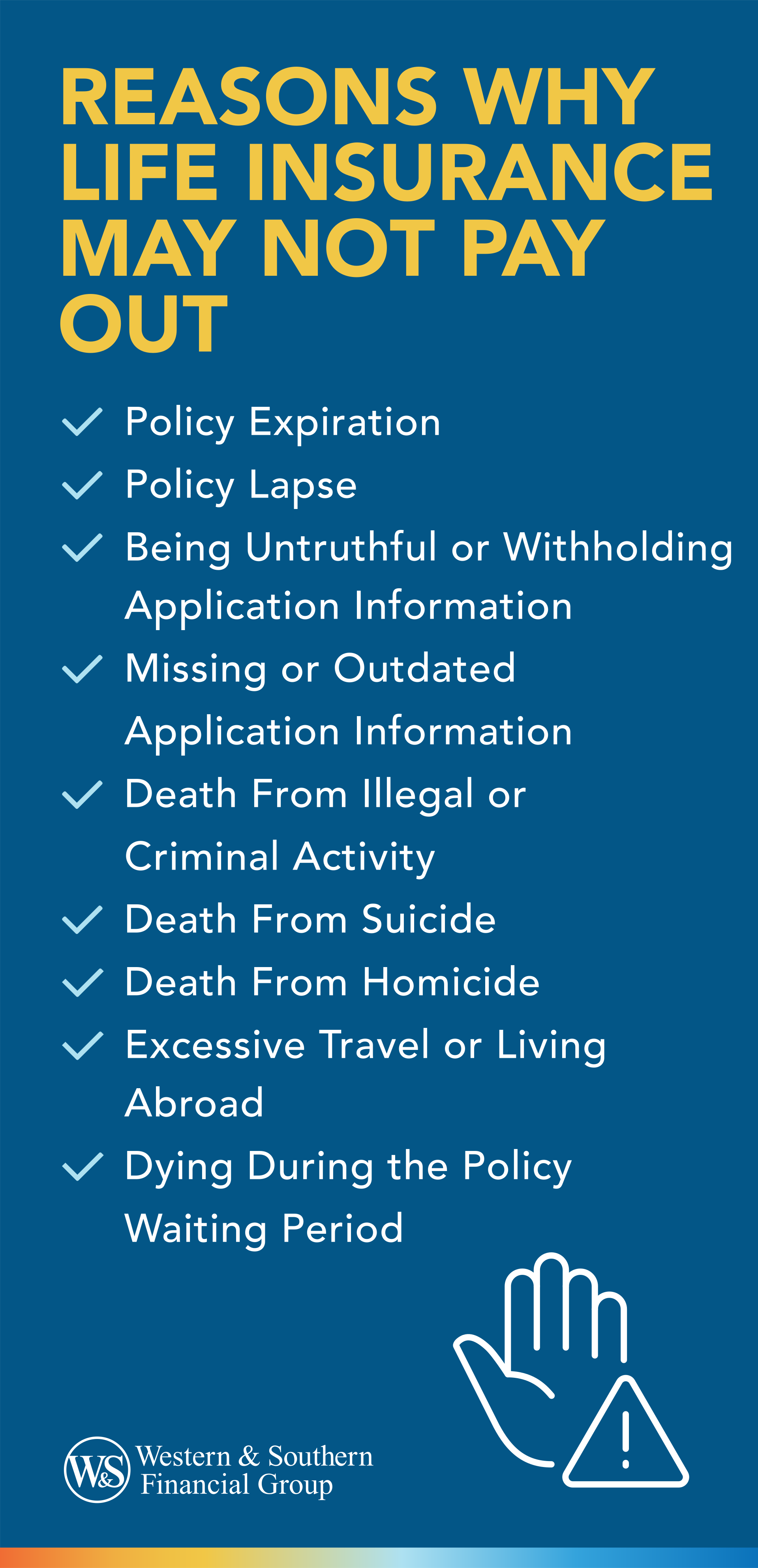
What to do instead: Review your policies regularly. Work with a qualified insurance advisor to plan for changes. If you need to insure someone else, apply for a new policy. In some cases, you may keep the old policy and add new coverage as your situation changes.
The Impact On Estate Planning And Taxes
Changing insureds would have massive tax and legal effects, which is why it’s not allowed. For example, the IRS could see this as a transfer for value, triggering taxes. If you gift a policy or change the owner, it could also affect estate taxes, especially for large estates.
If your estate plan is complicated, always get help from an attorney or tax professional before making changes to your life insurance policies.
Data: How Common Is This Request?
According to industry surveys, over 25% of life insurance policyholders have considered changing the insured or making major changes to their coverage in the first five years. However, less than 1% of policies are ever written with a change of insured rider, showing how rare this feature is.
Non-obvious Insights For Beginners
- Even if you are the policyowner, you cannot change the insured. Many people think ownership gives full control, but the insured is fixed.
- Changing the owner or beneficiary is possible, but can have hidden tax consequences. Always check before making these changes.
- Riders that let you add family members are not the same as changing the insured. These offer small amounts of coverage and do not replace the main insured’s coverage.
- If you sell or transfer a policy, the insured stays the same. The new owner can’t change who is insured.
When It Makes Sense To Review Your Policy
You should review your life insurance policy if:
- You get married, divorced, or have a child.
- You start or sell a business.
- Your financial needs change.
- A key person in your business leaves or retires.
Regular review helps make sure your coverage still fits your life.
Frequently Asked Questions
Can I Add Another Person As An Insured To My Existing Policy?
No, you cannot add another main insured to an existing life insurance policy. Some policies allow you to add riders to cover a spouse or child for a small extra cost, but these are not full policies and offer limited coverage.
If I Transfer Ownership Of My Policy, Does The Insured Change?
No. Transferring ownership changes who controls the policy, but the insured stays the same. Only the owner can make changes to beneficiaries or manage the policy, but the coverage remains on the original insured’s life.
Can I Switch From Insuring Myself To Insuring My Spouse Under The Same Policy?
No, you cannot switch the insured from yourself to your spouse on the same policy. You would need to apply for a new policy on your spouse, with new underwriting and approval.
Are There Any Policies That Let You Change The Insured?
Very few. Some corporate-owned universal life policies may have a special rider that allows changing the insured, but this is rare and usually restricted to businesses. Most individuals cannot add this feature after the policy is issued.
What Should I Do If My Insurance Needs Change?
If your needs change, review your policy with a licensed agent. You may need to buy a new policy, add riders, or adjust your coverage. Canceling a policy should be a last resort—make sure you understand the costs and consequences.
Making changes to a life insurance policy can be complex, especially when it comes to the insured person. The key is to plan carefully from the start and get expert advice when your life changes. For more background, you may find resources from the National Association of Insurance Commissioners helpful.
Life insurance is about protecting what matters most. Knowing the rules helps you avoid mistakes and keep your family’s future secure, no matter what changes life brings.