
Can I Take A Life Insurance Out On My Mom
Thinking about buying life insurance for your mom is not easy. It can feel strange or even uncomfortable. But for many families, it is a real concern. Maybe your mom helps take care of your children, or she has debts you would have to pay if she passed away. Perhaps funeral costs would be difficult for you to handle alone. Whatever your reason, you’re probably asking: Can I take a life insurance out on my mom? Let’s explore what’s possible, what’s required, and how to make the best decision for your family.
Can You Legally Buy Life Insurance For Your Mom?
In the United States, you can take out life insurance on another person, including your mother, but only if certain rules are followed. The most important requirements are insurable interest and consent.

Insurable interest means you would suffer financially if your mom passed away. This is usually easy to prove for close family members. For example, if you would have to pay for her funeral or support her dependents, you have insurable interest.
Consent means your mom must agree to the policy. She cannot be insured without her knowledge. She will need to sign the application and likely go through a health questionnaire or medical exam.
Common Reasons For Getting Life Insurance On Your Mom
- Funeral and burial costs: The average funeral in the US costs between $7,000 and $12,000. Many families are not prepared for this sudden expense.
- Unpaid debts: If your mom has debts with a co-signer or shared credit, you might have to pay them.
- Supporting dependents: If your mom cares for someone else, like grandchildren or a disabled partner, you might need financial help if she’s gone.
- Covering medical bills: Sometimes, end-of-life care leaves behind medical bills.
What Do You Need To Buy Life Insurance For Your Mom?
To buy a policy for your mom, you must:
- Get her permission: She must sign the application.
- Show insurable interest: Explain how her death would cause you financial loss.
- Complete the application: This includes providing details about her health, age, and sometimes her finances.
- Possibly arrange a medical exam: Most policies require some health questions, and larger policies may need a medical check.
Example Scenario
Let’s say your mom is 68 years old. She lives with you and helps raise your children. You rely on her support, and if she passed away, you’d need to pay for child care and funeral costs. In this case, you have a clear insurable interest.
Types Of Life Insurance Policies For Parents
There are several types of life insurance you can buy for your mom. Understanding the differences helps you pick the right one.
| Policy Type | Coverage Amount | Medical Exam Required? | Common Use |
|---|---|---|---|
| Final Expense (Burial) | $2,000–$25,000 | Usually No | Funeral Costs |
| Term Life | $50,000–$500,000+ | Usually Yes | Income Replacement, Debts |
| Whole Life | $25,000–$1,000,000+ | Usually Yes | Permanent Coverage, Estate Planning |
| Guaranteed Issue | $2,000–$25,000 | No | High-risk, No Exam Needed |
Key Policy Differences
- Final expense policies are easy to get and usually don’t require a medical exam. They’re popular for older adults.
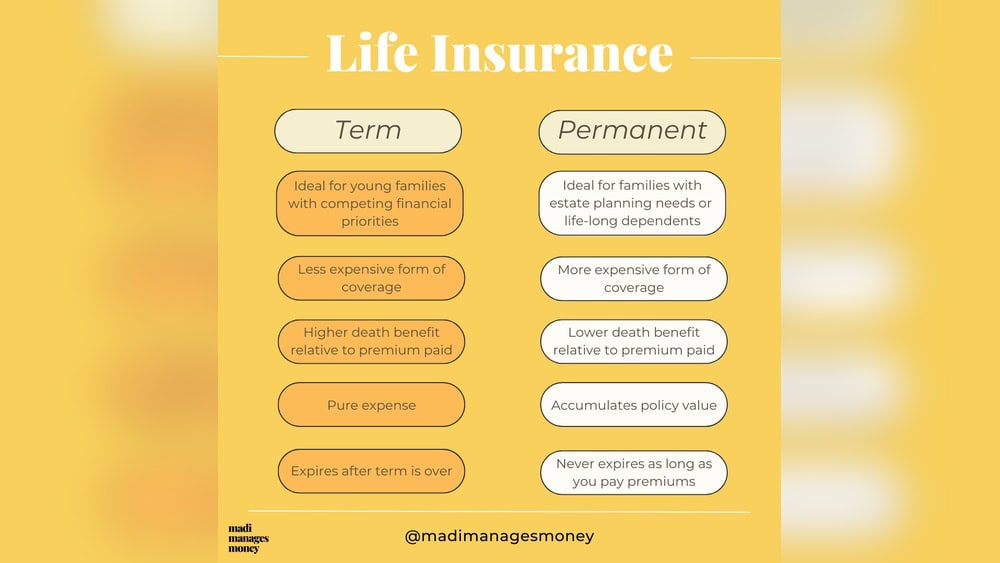
- Term life offers higher coverage but for a set period (10, 20, or 30 years). It’s often cheaper for younger, healthier applicants.
- Whole life covers your mom for her entire life but costs more.
- Guaranteed issue is for those who can’t qualify for other types due to health. It’s more expensive for less coverage.
How Much Coverage Should You Get?
Choosing the right coverage depends on your needs and your mom’s age and health. Here’s a simple way to estimate:
- Add up expected costs: Funeral, unpaid debts, medical bills, loss of income or support.
- Subtract existing assets: Does your mom have savings, life insurance, or benefits already?
- Choose a policy that fills the gap.
For example, if you expect $10,000 for funeral costs and $5,000 in debts, but your mom has $3,000 in savings, you might want a $12,000–$15,000 policy.
Who Pays For The Policy And Who Gets The Money?
You can be both the policy owner and beneficiary. This means you pay the premiums and receive the payout if your mom passes away. You don’t have to wait for her to take out a policy herself. You control the payments and keep the policy in force.
Example
- Policy owner: You
- Insured person: Your mom
- Beneficiary: You (or another family member)
This is common and allowed by insurers as long as your mom agrees.
Costs: What Affects The Price?
Several factors affect how much you’ll pay for life insurance for your mom:
- Age: Older people pay higher premiums.
- Health: Chronic illnesses, smoking, or risky habits raise the cost.
- Coverage amount: Higher payouts cost more.
- Policy type: Whole life is more expensive than term or final expense.
- Gender: Women often pay a little less because they live longer.
Sample Monthly Premiums
Here’s an example of monthly costs for a $10,000 final expense policy:
| Age | Female (Non-smoker) | Female (Smoker) | Male (Non-smoker) |
|---|---|---|---|
| 60 | $28–$35 | $38–$48 | $32–$41 |
| 70 | $45–$59 | $68–$90 | $52–$68 |
| 80 | $95–$130 | $150–$200 | $115–$160 |
These numbers are for illustration. Prices vary by company and location.

The Application Process: Step-by-step
- Talk to your mom: Explain why you want the policy and get her permission.
- Choose a type and amount: Decide what fits your needs and budget.
- Gather information: You’ll need her Social Security number, health history, and contact details.
- Fill out the application: This can often be done online or with an agent.
- Schedule a medical exam (if needed): For many policies, a nurse visits your mom to check her health.
- Wait for approval: This can take a few days to a few weeks, depending on the policy.
- Pay the first premium: The policy starts when you pay.
Special Tip
Many people skip the step of talking openly with their mom about this. But honest communication helps avoid misunderstandings and builds trust.
Common Mistakes To Avoid
Buying life insurance for a parent is a big decision. Here are mistakes to watch out for:
- Not getting consent: It’s illegal to insure someone without their knowledge.
- Choosing too much or too little coverage: Over-insuring can waste money; under-insuring leaves you unprepared.
- Not comparing companies: Prices and rules vary a lot.
- Forgetting about waiting periods: Some policies have a 2-year waiting period before full payout if your mom dies from non-accident causes.
- Not reviewing beneficiary details: Make sure the right person gets the money.

What If My Mom Is In Poor Health?
Many people worry that their mom won’t qualify if she’s older or sick. The good news is that guaranteed issue or simplified issue policies are available. These do not require a medical exam—just a few health questions or sometimes none at all.
However, these policies:
- Cost more per dollar of coverage
- Usually limit coverage to $25,000 or less
- May have a waiting period (often 2 years) for death from illness
Still, these options can bring peace of mind if your mom has had health problems.
Tax Implications And Payout Rules
Life insurance payouts are usually not taxed for beneficiaries. If you receive a $15,000 death benefit, you don’t pay federal income tax on it. But if the policy is very large or there are estate tax issues, consult a tax professional.
If you pay the premiums, you cannot deduct them from your taxes. Only some special business policies allow tax deductions.
Can You Buy A Policy Without Your Mom Knowing?
No, you cannot. US law requires the insured person’s consent and usually a signature. Insurance companies will not approve a policy without your mom’s permission. This protects everyone from fraud and abuse.
Trying to buy a policy without her knowledge is considered insurance fraud and can lead to legal trouble.
Real-world Example
Imagine Emily, age 37, takes care of her 70-year-old mom, Linda. Linda has no savings and helps with Emily’s kids. Emily wants to make sure funeral costs and a small debt are covered. She talks openly with her mom, gets her agreement, and applies for a $15,000 final expense policy.
Emily owns the policy, pays $53 per month, and is the beneficiary. When Linda passes away five years later, the policy pays out and covers all costs, reducing stress during a difficult time.
Non-obvious Insights Most People Miss
- Waiting periods matter: Many guaranteed issue policies don’t pay out the full amount if your mom dies from natural causes in the first two years. They only return the premiums paid, sometimes with a little interest. Make sure you read the fine print.
- Multiple beneficiaries are possible: You can name more than one beneficiary. If you and a sibling will share costs, you can each get part of the payout.
- Some states have special rules: For example, community property states might require a spouse’s signature if you’re insuring your mom and she’s married. Check local laws.
- Premiums can increase: Some policies start with low payments but increase over time. Understand whether your policy is “level premium” (stays the same) or “graded premium” (goes up).
When Is It Not A Good Idea?
Buying life insurance for your mom is not always the best solution:
- If she already has enough savings or insurance, more coverage may not help.
- If the premiums are a burden, consider a smaller policy.
- If your relationship is strained, talk openly to avoid family disagreements.
Sometimes, saving money in a separate account for funeral costs may be smarter if your mom is very old and premiums are high.

How To Compare Companies And Policies
Not all life insurance companies are the same. Some focus on final expense, while others offer better rates for older adults. Here’s a quick comparison of three well-known insurers:
| Company | Policy Types | Issue Age Range | Medical Exam Required? |
|---|---|---|---|
| Mutual of Omaha | Final Expense, Term, Whole | 45–85 | No for Final Expense |
| State Farm | Term, Whole, Universal | 18–80 | Sometimes |
| Gerber Life | Guaranteed Issue | 50–80 | No |
Check reviews and financial ratings to make sure the company is stable. For more details on types of policies and regulations, see this NerdWallet guide.
Final Thoughts
Taking out life insurance on your mom is possible, but it requires her agreement and a clear financial reason. The process can feel personal, but it’s often a smart way to protect your family from sudden costs. Start with an honest talk, research your options, and compare carefully.
The right policy can save you from financial stress and let you focus on what matters most—honoring your loved one’s memory.
Frequently Asked Questions
What Documents Do I Need To Apply For Life Insurance On My Mom?
You’ll need your mom’s full legal name, Social Security number, address, and health history. Some policies may ask for financial details, and she will need to sign the application.
Can I Add My Siblings As Beneficiaries?
Yes, most policies let you name multiple beneficiaries. You can split the payout any way you choose, which is helpful if several family members will share costs.
Does My Mom Need A Medical Exam?
For small policies like final expense or guaranteed issue, a medical exam is usually not required. Larger policies, such as term or whole life with high payouts, often need a medical check.
What Happens If My Mom Dies Within The Waiting Period?
If your policy has a graded death benefit or waiting period, and your mom dies from natural causes in that time, the insurer may only refund the premiums paid (sometimes with interest), not the full payout. Accidental death is usually covered right away.
Is The Life Insurance Payout Taxable?
Life insurance payouts are usually not taxed for beneficiaries. However, if the policy is very large or there are estate tax issues, check with a tax professional for your situation.