Life insurance and accidental death and dismemberment (AD&D) are two common types of financial protection. Many people confuse them, but they cover different risks. Understanding the difference can help you choose the right coverage for yourself and your family. This article explains how each works, who needs them, and what makes them unique.
What Is Life Insurance?
Life insurance is a contract between you and an insurance company. You pay regular premiums, and in return, your family (the beneficiaries) receives a lump sum if you die during the policy period. This money can be used for funeral costs, debts, daily expenses, or children’s education.

There are two main types:
- Term life insurance: Covers you for a set period (10, 20, or 30 years). It’s usually cheaper and only pays if you die during the term.
- Whole life insurance: Lasts your entire life and builds cash value over time. Premiums are higher, but it offers lifelong coverage.
According to the Insurance Information Institute, in the US, over 54% of adults own some form of life insurance. The average payout is about $168,000 per claim, but this depends on the policy.
What Is Accidental Death And Dismemberment (ad&d)?
AD&D insurance pays benefits only if you die or suffer a severe injury due to an accident. It does not cover natural causes, illness, or old age. Severe injuries include loss of limbs, eyesight, hearing, or paralysis.
AD&D is often offered as a rider with life insurance or as a separate policy. The payout depends on the type and severity of the accident. For example, losing one limb may result in a partial payout, while accidental death results in a full benefit.
In the US, accidental deaths are the third leading cause of death, with over 224,000 deaths reported annually (CDC, 2021). However, AD&D policies are less common than standard life insurance.
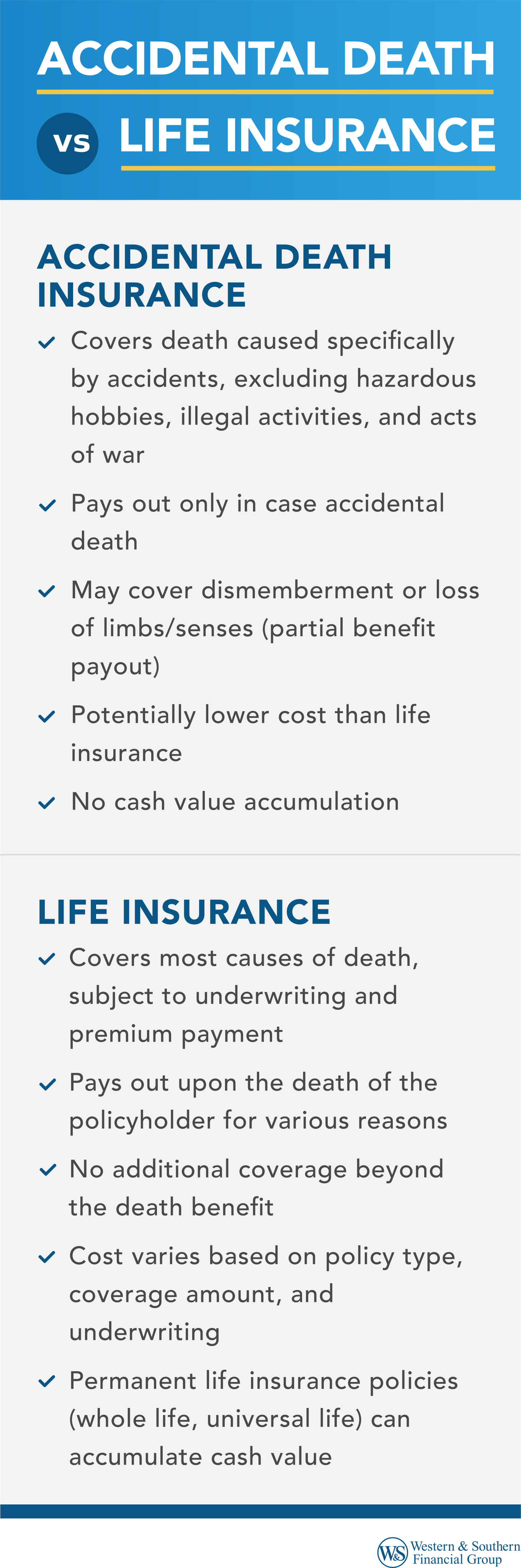
Key Differences Between Life Insurance And Ad&d
To make things clear, here’s a comparison:
| Feature | Life Insurance | AD&D Insurance |
|---|---|---|
| Coverage | Any cause of death (except exclusions) | Accidental death or injury only |
| Benefit Payout | Lump sum to beneficiaries | Lump sum or partial payout |
| Premium Cost | Higher (for whole life) | Usually lower |
| Cash Value | Possible (for whole life) | No cash value |
| Common Exclusions | Suicide, fraud, war | Natural causes, illness, suicide |
Who Should Consider Each Policy?
Choosing between life insurance and AD&D depends on your needs:
- Life insurance is best if you want broad financial protection for your family, no matter how you pass away.
- AD&D is useful if you work in risky jobs (construction, driving), travel often, or want extra accident coverage.
Some people buy both. This way, their family gets a payout for any death, plus extra if the death or injury is from an accident.
:max_bytes(150000):strip_icc()/Accidental-Death-and-Dismemberment-ADD-Insurance-v3-745262583fd74ebf9964311fd9bcaf29.png)
Real-life Examples
Let’s look at some scenarios:
- Natural death: John, age 50, dies from heart disease. His life insurance pays his wife the full benefit. AD&D does not pay because it was not an accident.
- Car accident death: Maria, age 35, dies in a car crash. Her life insurance and AD&D both pay her family, giving them extra support.
- Loss of limb: Alex, age 40, loses his leg in a factory accident. His AD&D policy pays a partial benefit. Life insurance does not pay because he is alive.
These examples show why it’s important to know the differences.
Common Mistakes When Choosing Insurance
Many beginners make mistakes when buying insurance:
- Believing AD&D covers all types of death. It only covers accidental events.
- Ignoring policy exclusions. Some accidents (like drug-related) are not covered.
- Not updating beneficiaries. If you forget to update, benefits may go to the wrong person.
- Overlooking the need for both policies. Having only one may not provide enough protection.
Review your policy every year to ensure it matches your current needs.

Comparing Costs And Benefits
How much does each type cost? Here’s a simple comparison:
| Policy Type | Average Annual Cost (Age 35, $250,000 coverage) | Typical Benefit |
|---|---|---|
| Term Life Insurance | $180 – $300 | Full payout for any cause |
| AD&D Insurance | $60 – $120 | Full or partial payout for accidents |
| Whole Life Insurance | $2,000 – $3,000 | Lifelong coverage + cash value |
Always compare costs and benefits before buying. Don’t forget to check if your employer offers group AD&D or life insurance, which can be cheaper.
Non-obvious Insights
- AD&D payouts are often limited: Many policies only pay for specific injuries. For example, losing a finger may not be covered, but losing a hand is.
- Life insurance rates depend on health: Smokers or people with health problems pay more. AD&D rates usually don’t change unless you have a dangerous job.
Frequently Asked Questions
What Happens If I Die From Illness?
Only life insurance pays for death by illness. AD&D insurance does not cover illness-related deaths.
Can I Buy Both Life Insurance And Ad&d?
Yes, many people buy both. Some life insurance policies offer an AD&D rider for extra accident coverage.
Are Ad&d Policies Expensive?
No. AD&D insurance is usually cheaper than life insurance because it covers fewer risks.
Is Suicide Covered By Either Policy?
Most policies exclude suicide, especially in the first two years. Always read your policy’s exclusions section carefully.
Where Can I Learn More About Insurance Types?
You can find more details on the official Insurance Information Institute website: Insurance Information Institute.
Understanding these differences helps you make smarter choices. Life insurance gives broad protection, while AD&D is extra security for accidents. Take time to compare, read the fine print, and update your coverage as your life changes. This way, your loved ones stay protected—no matter what happens.