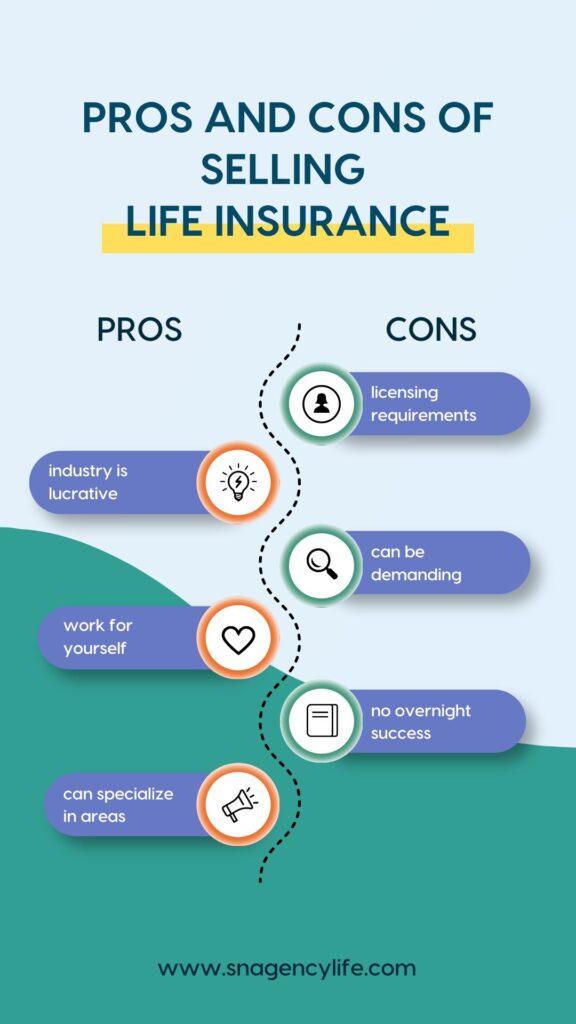
Why Do People Sell Life Insurance
Have you ever wondered why so many people become life insurance agents? Life insurance is not just a product; it’s a career path for thousands around the world. From the outside, selling life insurance might look simple, but there’s more to it than just earning a living.
Understanding why people choose this profession can help you see both the challenges and rewards involved. Let’s explore the real reasons behind this popular career choice.

Financial Benefits And Earning Potential
One major reason people sell life insurance is the high earning potential. Unlike many office jobs, insurance agents often earn commissions. This means their income is tied directly to how many policies they sell and renew.
| Income Source | How It Works | Typical Range |
|---|---|---|
| Commissions | Percentage of the policy premium | 30%-90% of first year’s premium |
| Renewal Commissions | Smaller percentage for policy renewals | 3%-10% yearly |
| Bonuses | Rewards for hitting sales targets | Varies widely |
For example, the U.S. Bureau of Labor Statistics reports that the median pay for insurance sales agents in 2022 was $57,860 per year. Top earners make much more, especially if they build a loyal client base. Some agents even create passive income through renewal commissions, earning money from policies sold years ago.
Flexible Work Life
Another key reason people enter this field is flexibility. Life insurance agents often set their own schedules. This is appealing for parents, students, or those who want to balance work with other priorities.
How Flexibility Stands Out:
- Work from home or at the office
- Set appointments to fit personal routines
- Opportunity to build your own business
This flexibility can also mean some months are busier than others. Success depends on personal motivation and time management, not just hours worked.
The Desire To Help Others
Many people are drawn to selling life insurance because they want to make a difference. Life insurance is not just about money; it’s about protecting families when they need it most. Agents often witness how a policy can support a grieving family, pay for children’s education, or cover funeral costs.
Some find deep satisfaction in:
- Explaining complex terms in simple language
- Guiding clients to the right coverage
- Being there during difficult times
This emotional connection makes the job meaningful. In fact, some agents say the gratitude from clients is more rewarding than the commission.
Low Entry Barriers And Career Growth
Becoming a life insurance agent has fewer entry barriers compared to many professions. Most states require only a high school diploma and passing a licensing exam. Training is often provided by the insurance company.
| Requirement | Typical Standard |
|---|---|
| Education | High school diploma or equivalent |
| Licensing Exam | State-specific, usually 20-40 hours study |
| Background Check | Required in most states |
Once licensed, agents can:
- Work independently or join an agency
- Specialize in specific insurance types
- Move into management or training roles
This career path offers room to grow, especially for those who enjoy sales and networking.

The Power Of Networking And Personal Growth
Selling life insurance is not just about policies—it’s about people. Agents build strong communication skills, learn how to handle objections, and develop confidence. Networking plays a huge role. Successful agents often:
- Attend local events to meet clients
- Join professional groups for referrals
- Use social media to expand their reach
These connections can open doors to new opportunities. Over time, many agents find themselves becoming respected experts in their communities.
Misconceptions And Realities
Some believe selling life insurance is just about “pushing” products. In reality, the best agents focus on education and service. They must understand their clients’ needs, not just make a quick sale.
Here are two insights beginners often miss:
- Long-term relationships matter more than one-time deals. Building trust leads to repeat business and referrals.
- Product knowledge is key. Agents who truly understand the policies can better match clients with the right coverage, avoiding costly mistakes for both sides.
It’s also important to remember the job can be tough. Rejection is common, especially at the start. The top performers are those who stay positive and keep improving.

Common Buyer Mistakes To Avoid
People new to selling life insurance sometimes focus only on the initial sale. However, there are mistakes to avoid:
- Ignoring follow-ups: Clients often need help understanding their policies. Regular check-ins show you care and can lead to more business.
- Overpromising returns: Life insurance is not an investment scheme. Being honest builds trust.
- Failing to explain policy details: Many clients are not familiar with terms like “term life” or “whole life.” Clear explanations set you apart.
Learning from these mistakes early can help agents build a stronger reputation.
Frequently Asked Questions
Why Is Life Insurance Important For Families?
Life insurance provides financial support if the main earner passes away. It helps families pay for living expenses, debts, and future needs like college tuition.
How Much Can A Life Insurance Agent Earn?
Earnings vary, but many agents make $40,000 to $100,000 per year. Income depends on sales skills, effort, and the size of the client network.
Do Agents Need A College Degree To Sell Life Insurance?
No, most states require only a high school diploma and passing a licensing exam. Some agents choose further education to improve their skills.
What Skills Help Life Insurance Agents Succeed?
Strong communication skills, self-motivation, and the ability to build relationships are essential. Product knowledge and honesty also make a big difference.
Where Can I Learn More About Becoming A Life Insurance Agent?
The U.S. Bureau of Labor Statistics offers detailed information about the career, including job outlook and requirements.
Selling life insurance is more than a job—it’s a chance to help people, earn a good living, and grow personally. Whether you are thinking about this career or just curious, understanding the real reasons behind it can help you see its true value.