
Buying life insurance often feels stressful. Many people worry when they learn that companies request blood tests. If you’re wondering why insurers do this, you’re not alone. This article explains the reasons behind life insurance blood tests, what they check, how results affect your policy, and what to expect during the process.
You’ll also find useful tips, real examples, and answers to common questions. Let’s clear the confusion so you feel confident before your next insurance medical exam.

Why Life Insurance Companies Need Medical Information
Life insurance is a promise: if the insured person passes away, the company pays money to their family. To make this promise, companies must understand the person’s health. The main reason for blood tests is to measure risk. Insurers want to know:
- How healthy are you?
- Are there hidden medical problems?
- What is your expected lifespan?
By checking health, insurers set fair prices and avoid big losses. Without medical data, companies could offer insurance to someone very ill without knowing, which leads to unfair pricing and risks.
What Life Insurance Blood Tests Check
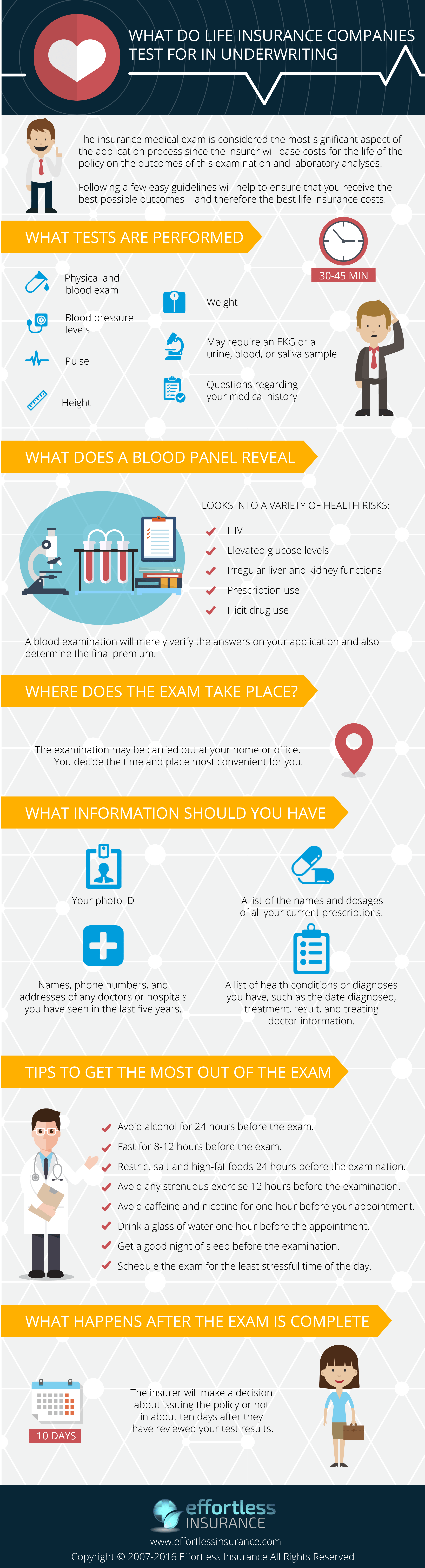
Blood tests give detailed information about your body. Insurers use them to spot health issues that might not be obvious. Here are the main things they check:
1. Cholesterol And Lipids
High cholesterol increases heart disease risk. Blood tests show if your levels are safe.
2. Blood Glucose
High glucose can signal diabetes, which affects life expectancy.
3. Kidney And Liver Function
Problems with these organs can be serious, so tests check for abnormal results.
4. Hiv And Other Diseases
Some insurers screen for infections that may shorten lifespan.
5. Drug And Nicotine Use
Tests find tobacco, drugs, and sometimes alcohol. These affect risk and price.
6. Blood Count
Low or high counts can signal anemia or other disorders.
Here’s a simple comparison of what different blood tests check:
| Test Type | What It Detects | Risk Impact |
|---|---|---|
| Cholesterol | Heart Disease | High |
| Glucose | Diabetes | Medium-High |
| Liver Function | Hepatitis, Cirrhosis | High |
| Drug Screening | Substance Abuse | High |
| Blood Count | Anemia, Leukemia | Medium |
How Blood Test Results Affect Your Policy
Blood test results can change your insurance price, coverage, or even approval. Here’s how it works:
- Healthy Results:
You may get lower premiums and full coverage. Insurers see you as low risk.
- Minor Issues:
Slightly higher prices, but still approved. Example: mild cholesterol elevation.
- Major Problems:
High prices or policy denial. Example: uncontrolled diabetes or drug use.
Insurers use a rating system called “risk classes. ” Your blood test moves you into one of these groups.
| Risk Class | Description | Premium Impact |
|---|---|---|
| Preferred Plus | Excellent health, no issues | Lowest |
| Preferred | Minor health issues | Low |
| Standard | Average health, some risks | Medium |
| Substandard | Major health concerns | High |
For example, a 35-year-old non-smoker with perfect results might pay $25/month for $500,000 coverage. The same person with diabetes could pay $120/month or face denial.
The Life Insurance Blood Test Process
Many people fear the test itself. But the process is simple and quick. Here’s what happens:
1. Scheduling The Exam
After you apply, a nurse or technician contacts you to set a time. They can come to your home or office.
2. Paperwork And Id Check
You sign consent forms and show identification.
3. Questions About Health
The examiner asks about your medical history, medications, and lifestyle.
4. Physical Measurements
Height, weight, blood pressure, and pulse are checked.
5. Blood Draw
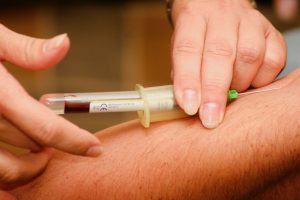
A small sample is taken from your arm. It takes less than five minutes.
6. Urine Sample
Often, you provide a urine sample for extra checks.
7. Results Sent To Insurer
The lab analyzes your samples. Results go directly to the insurer.
Most exams take 30–45 minutes. You can ask for your test results later.
What If You’re Afraid Of Needles?
If you’re nervous, tell the examiner before the test. They can help you relax, use a smaller needle, or talk you through it. Drinking water before helps your veins show up. If you faint easily, ask to lie down.
Why Blood Tests Are Needed Instead Of Just Questions
You might wonder: why not just ask about health? The answer is accuracy. Many people don’t know they have health issues. For example, 1 in 4 adults with diabetes are undiagnosed in the US. Blood tests reveal problems that questions miss. Also, some applicants may hide health facts to get lower prices. Tests prevent this and keep insurance fair.
Common Mistakes When Preparing For A Life Insurance Blood Test
Avoid these mistakes to make your exam go smoothly:
1. Eating Right Before The Test
Food can raise blood sugar and cholesterol. Fast 8–12 hours if told.
2. Intense Exercise Before
Heavy workouts can change test results. Exercise lightly the day before.
3. Drinking Alcohol
Alcohol affects liver tests. Avoid for 24 hours before.
4. Not Disclosing Medications
Always list any medicines, even if they seem minor.
5. Smoking Or Chewing Tobacco
Tobacco shows up in tests, so don’t try to hide it.
Following these tips helps you get accurate results and fair pricing.
Can You Get Life Insurance Without A Blood Test?
Some companies offer no medical exam policies. These usually:
- Cost more
- Offer lower coverage
- Have strict age limits
No exam policies are good for people with health issues, but not ideal for healthy applicants.
| Policy Type | Medical Exam? | Average Price | Coverage Limit |
|---|---|---|---|
| Traditional Term | Yes | Low | $500,000+ |
| No Exam Term | No | High | $100,000–$250,000 |
| Guaranteed Issue | No | Very High | $25,000–$50,000 |
If you want the best price and coverage, a blood test is usually required.
How Insurers Use Your Blood Test Data
Insurers keep your information private. They use it only for policy decisions. They cannot share your results with employers or outside companies. If you want a copy of your blood test report, ask your insurance agent.
Some applicants worry about discrimination. US laws protect you from unfair treatment based on health. Insurance companies must follow privacy rules, and you can appeal decisions if you believe they are wrong.
Non-obvious Insights Most Beginners Miss
1. Blood Tests Can Reveal Hidden Conditions
Many people feel healthy but have undiagnosed problems. Insurers catch these early, which helps applicants get treatment.
2. Results Affect More Than Price
Blood test results can change the policy’s terms. For example, you might be offered less coverage or limited benefits if a serious issue is found.
3. Retesting Is Possible
If your results are unusual due to temporary illness or stress, you can often request a retest. Many applicants don’t know this option exists.
Real-world Example
Imagine two applicants, both age 40:
- Applicant A: No health issues, normal blood test, gets preferred rates.
- Applicant B: High cholesterol and early diabetes found in blood test, gets standard rates.
Applicant B didn’t know about their health problems until the test. After seeing the results, they started treatment and improved their health. Some insurers allow retesting after six months; if health improves, the applicant can get better rates.
The Future Of Life Insurance Medical Exams
Technology is changing how companies check health. Some insurers now use digital medical records instead of blood tests for low-risk applicants. Others are testing at-home kits. But for most policies, blood tests remain the best way to measure health risk.
For more details about how medical exams work, you can visit Investopedia.
Frequently Asked Questions
Why Do Life Insurance Companies Require Blood Tests?
Insurers use blood tests to check for hidden health problems. This lets them set fair prices and avoid big financial risks. Blood tests reveal important details about your body, like cholesterol, sugar, and signs of disease.
What Happens If My Blood Test Shows A Health Issue?
If a problem is found, insurers may raise your price or offer lower coverage. For serious issues, your application could be denied. You can often request a retest or shop for policies with more flexible rules.
How Should I Prepare For My Life Insurance Blood Test?
- Fast for 8–12 hours if asked.
- Avoid alcohol and heavy exercise before the test.
- Drink water so veins are easier to find.
- List all medications honestly.
This helps you get the most accurate results.
Can I Refuse The Blood Test And Still Get Insurance?
You can, but no exam policies usually cost more and cover less. These are best for people with health issues or those needing quick coverage. Healthy people save money with traditional policies.
Are My Blood Test Results Kept Private?
Yes. Insurers keep your data secure and follow privacy laws. Results are used only for your insurance application and are not shared outside the company.
Life insurance blood tests may seem uncomfortable, but they help companies give fair prices and protect your family. Understanding the process makes applying easier and less stressful. If you prepare well and learn what to expect, your experience will be smooth—and you’ll know you’re getting the best value for your policy.
:max_bytes(150000):strip_icc()/Life-Insurance-a8aee8e3024145a8b454ea19df030418.png)