
Many people in the UK depend on Universal Credit to help with living costs. But when you start thinking about life insurance, you may wonder how it affects your benefits. Could your policy or payout change the amount of Universal Credit you receive? This question matters, especially if you want to protect your family but also rely on government support. Understanding the rules can help you make smart choices, avoid mistakes, and plan for the future.
This guide explains how life insurance interacts with Universal Credit, focusing on what happens when you buy a policy, how payouts work, and how savings and assets are counted. You’ll find clear answers, real examples, and practical advice to help you feel confident about your decisions.

What Is Universal Credit?
Universal Credit is a benefit from the UK government. It helps people with low income or who are out of work. Universal Credit replaces several older benefits, including Jobseeker’s Allowance, Housing Benefit, and Income Support. You can get Universal Credit if you’re over 18 and under State Pension age, and you have less than £16,000 in savings.
The payment you get depends on:
- Your income
- Your savings and assets
- Your living situation (for example, if you have children or disabilities)
Universal Credit is means-tested. This means your financial situation affects how much you receive.
What Is Life Insurance?
Life insurance is a contract with an insurance company. You pay a monthly or yearly premium. If you die, your family or chosen person (called a beneficiary) gets a lump sum payout. Life insurance helps your loved ones pay for costs like funeral expenses, debts, or daily living.
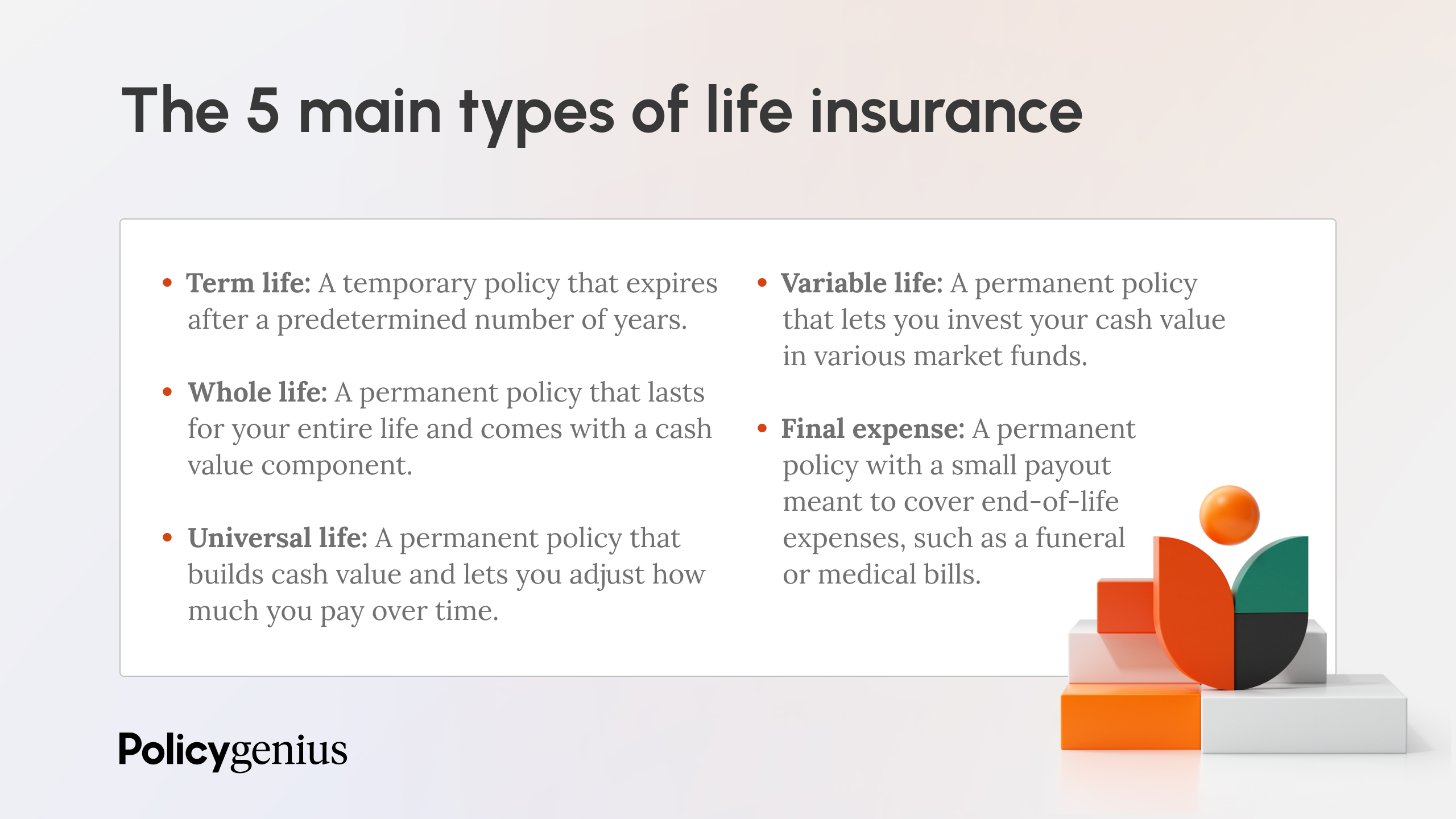
There are different types of life insurance:
- Term life insurance: Covers you for a set period (e.g., 10 or 20 years).
- Whole-of-life insurance: Lasts your entire life, pays out when you die.
- Over-50s life insurance: Designed for older people, often with guaranteed acceptance.
People buy life insurance to protect their families, cover mortgage payments, or leave a financial legacy.
Does Having Life Insurance Affect Universal Credit?
This is where things get complex. Simply owning a life insurance policy does not affect your Universal Credit. The government doesn’t count the policy as an asset or income while you’re alive.
But there are important details to know:
- The cash value of some policies (like whole-of-life or investment-linked plans) can be accessed while you’re alive. If you take money out, it could count as savings.
- Premium payments are not deducted from your Universal Credit.
Let’s make this clearer with a comparison:
| Type of Life Insurance | Effect on Universal Credit |
|---|---|
| Term Life Insurance | No effect while alive |
| Whole-of-Life Insurance | No effect unless cash value is withdrawn |
| Investment-Linked Policy | Cash value withdrawn counts as savings |
Key insight: Only the money you can access from your policy now may count toward your savings. If you don’t withdraw, there is no effect.
What Happens If A Life Insurance Payout Is Received?
If someone dies and their family gets a life insurance payout, this money may affect Universal Credit. The rules depend on how the payout is handled.
Immediate Payout
If you receive the payout directly, it is treated as savings. Universal Credit has strict rules:
- If your savings stay below £6,000, you won’t lose any Universal Credit.
- Between £6,000 and £16,000, your Universal Credit is reduced.
- Over £16,000, you lose Universal Credit entirely.
Here’s a quick reference:
| Savings Amount | Universal Credit Impact |
|---|---|
| Under £6,000 | No reduction |
| £6,000 – £16,000 | Reduced payment |
| Over £16,000 | Universal Credit stopped |
Example: If you receive a £10,000 payout and have £2,000 in savings, your total savings become £12,000. Universal Credit will be reduced.
Trusts And Life Insurance
Some people use trusts to manage life insurance payouts. If the payout goes into a trust and you cannot access the money directly, it may not count as your savings. The rules are complex, and you should get advice from a financial expert.
Non-obvious insight: If you put your life insurance payout into a trust, and you can’t control or access the money, it may protect your Universal Credit. But if you can access the trust money, it counts as savings.

How Savings And Assets Affect Universal Credit
Universal Credit looks at your savings and assets to decide how much you get. Savings include cash, bank accounts, stocks, and accessible life insurance cash values. Assets are things you own, like property.
Life insurance only becomes relevant if it gives you money you can use. If you get a payout, it counts as savings. If your policy builds up a cash value and you withdraw it, that also counts.
Let’s see how Universal Credit treats savings:
| Savings Range | Effect on Universal Credit |
|---|---|
| £0 – £6,000 | No effect |
| £6,001 – £16,000 | Reduced payment (for each £250 over £6,000, £4.35 deducted per month) |
| Over £16,000 | Universal Credit stopped |
This means even small payouts can affect your benefits if your total savings cross £6,000.
Common mistake: Some people don’t report their life insurance payout as savings. This can lead to overpayments, penalties, or even prosecution. Always report changes in your financial situation.
Reporting Changes To Universal Credit
If you receive a life insurance payout, you must report it. Universal Credit rules require you to tell them about any change in your savings or assets.
How to report:
- Log in to your Universal Credit online account.
- Go to “Report a change of circumstances.”
- Add details about the payout and your total savings.
If you don’t report, you risk losing your Universal Credit and may have to pay back benefits.
Non-obvious insight: Even if the payout is from a funeral or death benefit, Universal Credit counts it as savings unless it’s used immediately for funeral costs. Always keep records of how you spend the payout.

Practical Examples
Let’s look at some real-life situations:
Example 1: Term Life Insurance
John is on Universal Credit. He buys a term life insurance policy. He pays £15 per month, but there’s no cash value. While he’s alive, it doesn’t affect his Universal Credit.
Example 2: Whole-of-life Insurance With Cash Value
Sarah has a whole-of-life policy. It builds up a cash value. She withdraws £4,000 to cover an emergency. Her savings increase, but stay below £6,000, so her Universal Credit is unchanged.
Example 3: Life Insurance Payout
David’s wife dies, and he receives a £12,000 payout. He already has £5,000 in savings. Now, his total is £17,000. Universal Credit stops because his savings are above £16,000.
Example 4: Payout Into A Trust
Maria’s life insurance payout goes into a trust. She cannot access the money. Universal Credit does not count it as her savings, so her benefits continue.
How To Plan Life Insurance With Universal Credit
If you rely on Universal Credit, you need to plan carefully:
- Choose a policy that does not build up a cash value if you don’t want savings issues.
- Consider term life insurance for simple protection.
- If you expect a payout, plan how to use or manage the money.
- Use trusts to protect payouts, but get expert advice.
- Report any changes in savings immediately.
Practical tip: If your payout is large, use it for necessary expenses quickly (like paying off debts or funeral costs), so your savings return below £16,000. Keep receipts and records to show Universal Credit.
Life Insurance For People On Universal Credit: Is It Worth It?
Buying life insurance is often a good idea, even if you’re on Universal Credit. It gives your family security. You just need to understand the rules.
- Premiums are not counted as expenses for Universal Credit.
- Only payouts or cash values count as savings.
- Smart planning can help you avoid losing benefits.
Experience-based advice: Many people worry about losing Universal Credit if they get a payout. But careful planning—like trusts or spending the money on essential costs—can help you keep your benefits.
Comparing Life Insurance Policy Features
Let’s compare the main features of different life insurance types for people on Universal Credit:
| Policy Type | Cash Value | Impact on Benefits | Best For |
|---|---|---|---|
| Term Life | No | No impact while alive | Simple protection |
| Whole-of-Life | Yes | Impact if cash withdrawn | Legacy planning |
| Over-50s Plan | No/Low | No impact unless payout received | Older adults |
Useful Resources
If you need more advice, you can visit the UK government’s official Universal Credit page, or contact a financial advisor. For detailed rules and examples, see the UK Government Universal Credit website.
Frequently Asked Questions
Does Owning Life Insurance Reduce My Universal Credit Payments?
No. Owning a policy does not reduce your Universal Credit unless you access cash from the policy or receive a payout.
Will My Life Insurance Payout Affect My Universal Credit?
Yes. If you receive a payout and your savings go over £6,000, Universal Credit payments are reduced. If savings go over £16,000, your Universal Credit stops.
Can I Put My Life Insurance Payout Into A Trust To Protect My Universal Credit?
Possibly. If you cannot access the money in the trust, it may not count as your savings. But rules are complex; seek professional advice.
Do I Need To Report A Life Insurance Payout To Universal Credit?
Yes. You must report any changes in your savings, including life insurance payouts, to Universal Credit.
What Happens If I Don’t Report A Life Insurance Payout?
You may get overpayments, face penalties, or lose Universal Credit. Always report changes as soon as possible.
—
Life insurance and Universal Credit can work together if you understand the rules. Buying a policy for protection is usually safe, but payouts and cash values can affect your benefits. Planning ahead, using trusts, and reporting changes are key steps.
Remember, your goal is to protect your loved ones and keep the support you need. By following these guidelines, you can make smart choices for your future.