
Getting started in life insurance sales can be both exciting and challenging. Many people think selling insurance is only about convincing others to buy a policy. In reality, it’s about helping clients protect their families, plan for the future, and understand important financial choices. If you’re new to this field or considering it as a career, you might wonder where to begin, what skills you need, and how to succeed. This guide is designed to give you clear steps, practical advice, and insider tips to launch your journey in life insurance sales with confidence.
Understanding The Life Insurance Sales Profession
Life insurance sales is more than just selling products. It’s a profession built on trust, communication, and genuine care for clients. Agents work with people from all walks of life, helping them secure financial protection for loved ones. The industry is large and diverse, with over 400,000 insurance agents working in the US alone.

What Does A Life Insurance Agent Do?
Your main role is to:
- Meet with clients to discuss their needs
- Explain different life insurance options
- Recommend suitable policies
- Help clients complete applications
- Maintain relationships after the sale
Agents often work for insurance companies, independent agencies, or as solo entrepreneurs. Some specialize in term life, whole life, or universal life insurance. Others focus on group plans for businesses.
Earning Potential And Job Outlook
According to the US Bureau of Labor Statistics, the average annual wage for insurance sales agents was $57,860 in 2022. Top performers earn six figures or more. The job outlook remains steady, with a projected growth of 6% from 2022 to 2032.
| Experience Level | Average Income | Common Role |
|---|---|---|
| Entry-level | $35,000 – $45,000 | Junior Agent |
| Mid-level | $45,000 – $80,000 | Senior Agent |
| Top Performer | $100,000+ | Agency Manager |
Steps To Start Your Life Insurance Sales Career
Starting in life insurance sales means following some clear steps. Here’s a roadmap to help you begin:
1. Research The Industry
Learn about the different types of life insurance and the companies that sell them. Read about the profession and talk to experienced agents if possible.
2. Choose Your Path
Decide if you want to work for a large insurance company, an independent agency, or on your own. Each has advantages:
- Large companies offer training, benefits, and steady clients.
- Independent agencies give flexibility and more product choices.
- Working solo means you control your schedule and income.
- Get Licensed
Every US state requires insurance agents to have a license. The process includes:
- Completing a pre-licensing course (often 20–40 hours)
- Passing a state exam
- Submitting background checks and fees
| State | Pre-licensing Hours | Exam Pass Rate |
|---|---|---|
| California | 20 | 68% |
| Texas | 24 | 72% |
| Florida | 40 | 65% |
4. Find A Mentor Or Training Program
Many agencies offer training for new agents. This helps you learn sales techniques, product details, and how to handle clients. A good mentor can make a big difference.
5. Build Product Knowledge
Understand the differences between term life, whole life, and other products. Learn about riders, exclusions, and how policies are priced.
6. Develop Communication Skills
Practice active listening and clear speaking. Good agents ask questions, explain complex ideas simply, and build trust.
7. Start Prospecting
Begin reaching out to potential clients. Use your network, attend community events, or partner with local businesses. Prospecting is key to success.
8. Set Personal Goals
Track your progress with weekly and monthly targets. Goals help you stay focused and motivated.
Skills And Qualities You Need
Not everyone succeeds in life insurance sales, but you can improve your chances by developing certain skills and traits:
Essential Skills
- Communication: Explaining policies in simple terms and listening to client needs.
- Organization: Keeping track of appointments, follow-ups, and paperwork.
- Problem-solving: Finding the best policy for each client’s situation.
- Persistence: Not giving up after rejection. Most sales require several contacts.
Important Qualities
- Empathy: Understanding what clients worry about.
- Integrity: Always being honest and transparent.
- Confidence: Believing in yourself and the products you sell.
A non-obvious insight: Many new agents focus too much on selling and not enough on educating. Clients are more likely to buy when they feel informed, not pressured.
Common Challenges And How To Overcome Them
Starting in life insurance sales can be tough. Here’s how to handle some common problems:
Handling Rejection
You’ll hear “no” often. Don’t take it personally. Each rejection is a chance to improve your approach. Try to learn why the client said no and adjust your pitch.
Managing Time
New agents sometimes spend too much time on paperwork or low-value tasks. Use technology to automate reminders, scheduling, and follow-ups.
Building Trust
Clients may be skeptical. Show that you care by listening, giving honest answers, and never overselling. Follow up after meetings, even if they don’t buy.
Staying Motivated
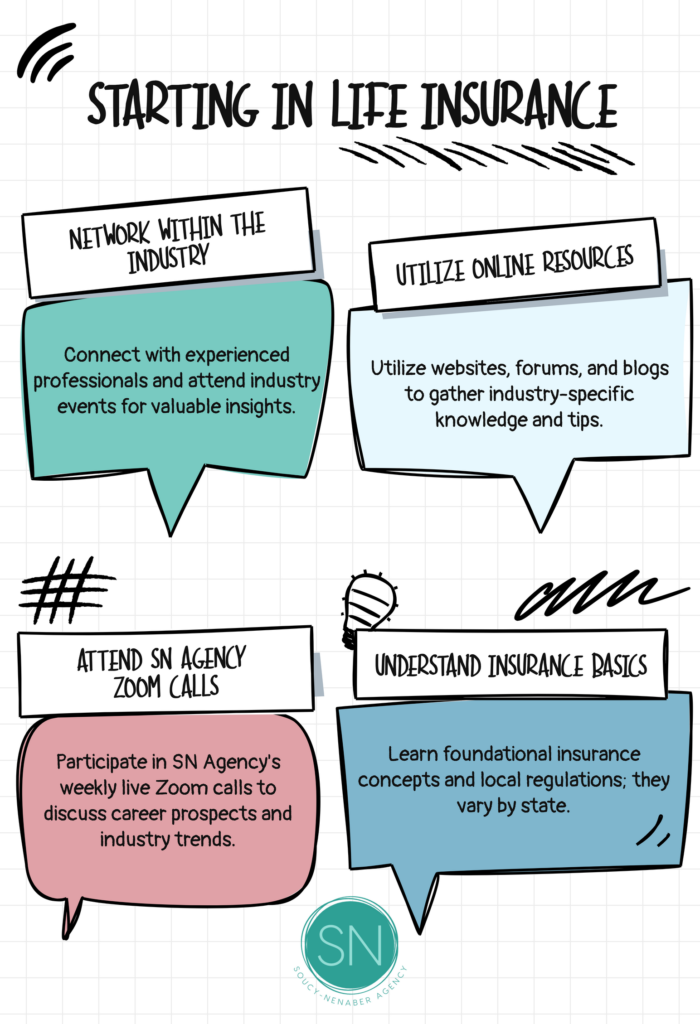
Sales can feel lonely. Join local networking groups, attend industry events, and connect with other agents to share experiences.
Choosing The Right Life Insurance Products
It’s important to match the right policy to your client’s needs. Here’s a quick overview:
Types Of Life Insurance
- Term Life: Covers a set period (like 10 or 20 years). Affordable and simple.
- Whole Life: Lasts a lifetime, builds cash value. Higher premiums.
- Universal Life: Flexible premiums, lifetime coverage, cash value.
- Variable Life: Invests cash value in market options. Riskier.
| Product Type | Coverage Length | Premium Cost | Cash Value? |
|---|---|---|---|
| Term Life | 10–30 years | Low | No |
| Whole Life | Lifetime | High | Yes |
| Universal Life | Lifetime | Medium | Yes |
| Variable Life | Lifetime | Medium/High | Yes |
Always ask your clients about their goals, budget, and family situation. For example, young families often prefer term life for its lower cost. Older clients may want whole life for estate planning.
Building Your Client Base
Successful agents don’t wait for clients to come to them. They actively build their network.
Practical Ways To Find Clients
- Attend community events and local fairs
- Offer free seminars about life insurance basics
- Partner with accountants or financial planners
- Use social media to share helpful tips
- Ask satisfied clients for referrals
A practical tip: New agents often ignore referral programs. Asking happy clients for referrals is one of the fastest ways to grow your business.
Marketing Yourself Effectively
Your reputation and visibility are key to long-term success.
Personal Branding
Create a professional image with business cards, a simple website, and a clear message. Show that you are knowledgeable and trustworthy.
Digital Marketing
Most people research insurance online before buying. Make sure your online profiles are accurate and positive. Consider writing helpful articles or making short videos explaining insurance topics.
Offline Marketing
Don’t underestimate local advertising. Flyers, newspaper ads, and community sponsorships can help you reach older clients who may not use the internet much.
Staying Compliant And Ethical
Insurance is a regulated industry. You must follow rules and always act ethically.
- Keep your license up to date with continuing education.
- Record client information securely and follow privacy laws.
- Never mislead clients about policy terms or costs.
If you’re unsure about a rule, check your state’s insurance department or ask your agency’s compliance officer. For more details, see this National Association of Insurance Commissioners resource.
Continuing Education And Career Growth
The industry changes often. New products, laws, and technology can affect how you sell.
- Attend workshops and webinars to stay current.
- Take extra courses in sales, finance, or customer service.
- Consider getting advanced certifications, like the Certified Life Underwriter (CLU).
As you gain experience, you might move into management, specialize in high-net-worth clients, or even start your own agency.
Frequently Asked Questions
What Qualifications Do I Need To Become A Life Insurance Agent?
You need a high school diploma, a state license, and to pass a background check. Some states require pre-licensing courses. No college degree is necessary, but it can help.
How Long Does It Take To Get Licensed?
Most people complete the process in 2–8 weeks. This includes studying, taking the course, scheduling the exam, and passing it.
Can I Work Part-time In Life Insurance Sales?
Yes, many agents start part-time. However, building a steady client base and income usually requires a full-time effort.
What’s The Hardest Part About Selling Life Insurance?
Most agents say finding clients and dealing with rejection are the toughest challenges. Staying persistent and improving your communication skills help.
How Do I Choose The Best Agency To Work For?
Look for agencies with good training programs, strong support, fair commissions, and a positive reputation. Ask current agents about their experience before joining.
Getting started in life insurance sales is a journey. With the right skills, mindset, and support, you can build a rewarding career helping people protect what matters most. Remember, every agent was new once—your effort and dedication will shape your success.
