
Life insurance is more than just a safety net for your family. Today, many people use life insurance as an investment tool. This idea sounds smart—after all, you get protection plus the chance to grow your money. But is life insurance investment really a good choice? For some, it’s a wise move. For others, it could be costly or confusing. If you’re thinking about buying a policy or investing through life insurance, you need to understand both the benefits and risks.
In this article, we’ll look at the pros and cons of life insurance investment. We’ll cover how these policies work, compare them to other types of investments, and share real data. By the end, you’ll know if life insurance investment fits your needs, and how to avoid common mistakes.

What Is Life Insurance Investment?
Life insurance comes in many forms. The most basic is term life insurance. It pays your family if you die, but has no cash value. Investment-based policies are different. The most popular types are whole life, universal life, and variable life insurance. These policies combine a death benefit with a cash value or investment component.
When you pay premiums, part of your money goes into a savings or investment fund. Over time, this cash value can grow. You can borrow against it, withdraw it, or use it to pay premiums. Some policies let you choose how your money is invested—others guarantee a fixed return.
Here’s a simple example:
- Whole life insurance: Offers guaranteed cash value growth. The insurer invests your money and pays a fixed rate.
- Universal life insurance: Offers flexible premiums and cash value. Returns may vary, often based on interest rates.
- Variable life insurance: Lets you invest in stocks, bonds, or funds. Returns can be high or low, depending on the market.
So, investing in life insurance means you’re buying both protection and a way to build wealth.
Main Types Of Life Insurance Investments
Understanding the main types helps you see their strengths and weaknesses.
| Type | Cash Value? | Investment Options | Risk Level | Typical Returns |
|---|---|---|---|---|
| Whole Life | Yes | Fixed | Low | 2–4% per year |
| Universal Life | Yes | Interest-based | Medium | Varies: 2–5% |
| Variable Life | Yes | Stocks/Bonds | High | Varies: -10% to 10% or more |
| Term Life | No | None | None | None |
Whole life is safest but has modest returns. Variable life can offer higher gains, but you could lose money. Universal life sits in the middle—returns depend on interest rates.
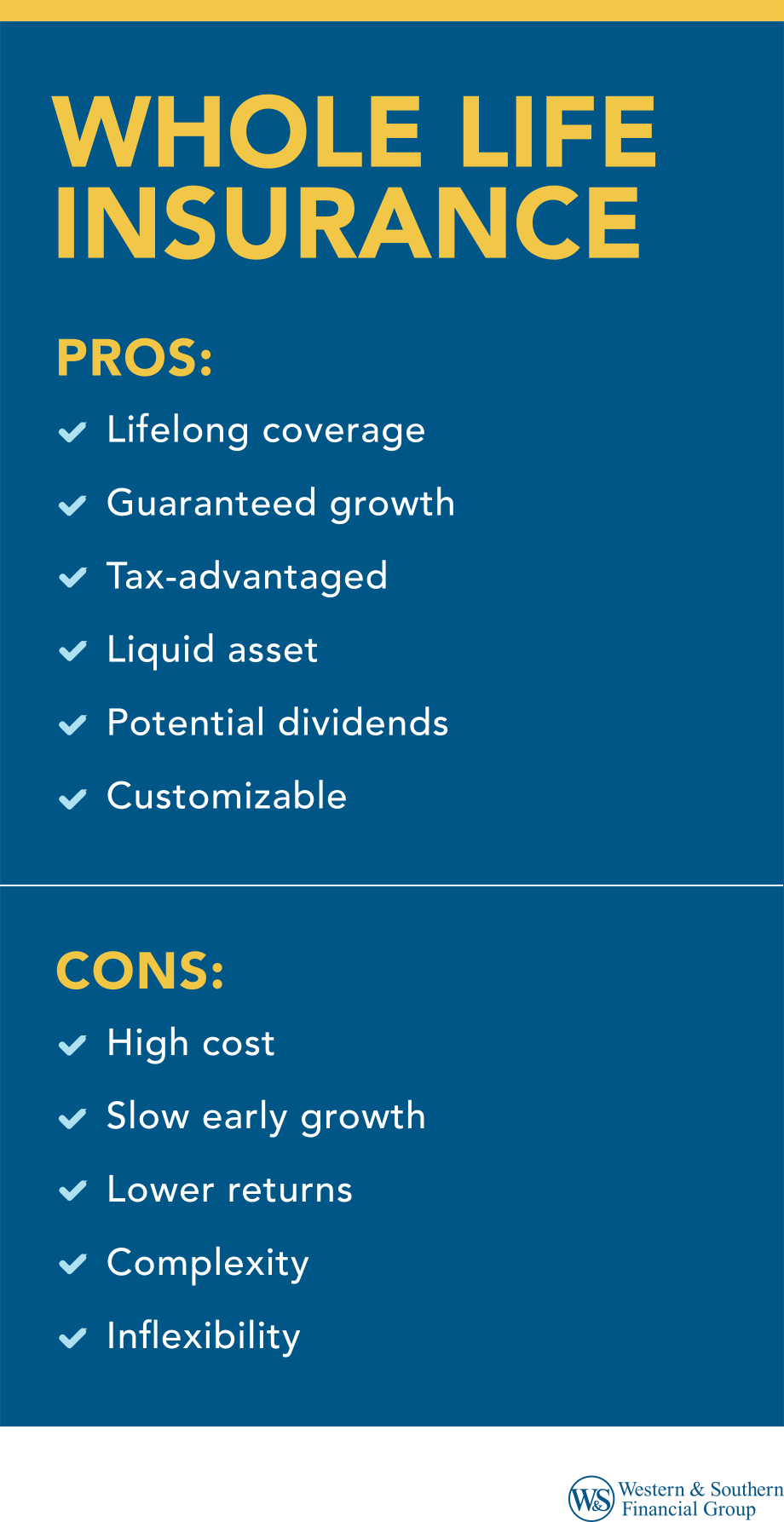
Pros Of Life Insurance Investment
Investing in life insurance has several benefits. Let’s look at the most important ones.
1. Dual Benefits: Protection And Savings
With an investment-based policy, you get both life insurance coverage and a cash value account. If you die, your family receives a payout. If you live, your money grows over time. This combination is attractive to people who want security and savings.
2. Tax Advantages
Cash value growth inside a life insurance policy is usually tax-deferred. You don’t pay taxes on the earnings until you withdraw them. Sometimes, you can borrow money from the policy without triggering taxes. And, the death benefit is usually tax-free for your beneficiaries.
For example, if your policy earns $1,000 in interest, you don’t pay taxes on it that year. With a regular savings account, you would.
3. Forced Savings
Many people struggle to save money. Life insurance premiums are fixed and must be paid. This creates forced savings—you build wealth automatically, month by month.
4. Access To Cash
You can borrow against your cash value or make withdrawals. This can help in emergencies, or if you need funds for a big purchase. Some policies let you take out loans with low interest rates.
5. Stable Returns
Whole life and universal life policies offer predictable returns. Your cash value grows at a guaranteed rate, regardless of market ups and downs. This is helpful for risk-averse investors.
6. Estate Planning
Life insurance investment can help with estate planning. The death benefit can be used to pay debts, taxes, or provide for heirs. Some wealthy people use life insurance to transfer assets tax-free.
7. Protection From Creditors
In many states, cash value in a life insurance policy is protected from creditors. If you face bankruptcy, your policy may be safe. This is not true for all policies, so check your local laws.
8. Flexible Premiums And Benefits
Universal life and variable life policies allow you to adjust your premiums and death benefit. If your needs change, you can update your policy. This flexibility appeals to many buyers.
9. No Income Limits
Unlike some retirement accounts, there are no income limits to buy life insurance. Anyone can invest, regardless of their salary.
10. Useful For Business Owners
Business owners often use life insurance investment for key person insurance, buy-sell agreements, or to protect their company. It offers both protection and funding options.
Cons Of Life Insurance Investment
There are also downsides. Some are easy to miss if you’re new to insurance. Let’s examine the main risks and problems.
1. High Costs
Investment-based life insurance is much more expensive than term life. Premiums can be 5–10 times higher. If you’re mainly seeking protection, this extra cost may not be worth it.
2. Complexity
These policies are complex. The rules, fees, and investment options can be confusing. Many buyers don’t fully understand what they’re getting. Mistakes can be costly.
3. Low Returns
Compared to other investments, life insurance often offers lower returns. For example, the average whole life policy pays 2–4% per year. The S&P 500 has averaged about 8–10% per year in the past decades. If growth is your main goal, you may do better elsewhere.
4. Surrender Charges
If you cancel your policy early, you may face surrender charges. These fees can eat up your savings. Sometimes, you lose most of your cash value in the first years.
5. Hidden Fees
Investment-based policies come with many fees—administration, mortality, investment management, and others. These reduce your returns and can make the policy less attractive.
6. Market Risk
Variable life policies put your cash value in stocks and bonds. If the market drops, you could lose money. This risk is higher than in fixed policies.
7. Slow Growth Early On
In the first years, most of your premiums pay for insurance and fees—not cash value. It can take years before you see significant growth. Many people are surprised by this slow start.
8. Medical Exams
To get a good policy, you may need a medical exam. If you have health issues, you might face higher premiums or be denied.
9. Risk Of Policy Lapse
If you miss a premium payment or your cash value drops, your policy can lapse. You lose both protection and investment. This risk is higher in flexible policies.
10. Not Always The Best Investment
For many people, buying term life insurance and investing separately in stocks or retirement accounts gives better results. Life insurance investment is best for those who value protection, tax benefits, and forced savings.
Comparing Life Insurance Investment To Other Options
Is life insurance investment right for you? Let’s compare it to other common choices.
| Option | Returns | Liquidity | Fees | Tax Benefits | Risk |
|---|---|---|---|---|---|
| Whole Life Insurance | 2–4% | Medium | High | Good | Low |
| Stock Market (S&P 500) | 8–10% | High | Low | Limited | High |
| 401(k) Retirement Account | 6–8% | Low (until retirement) | Low | Excellent | Medium |
| Bank Savings Account | 0.5–2% | High | Low | Poor | Very Low |
As you can see, life insurance investment offers some unique benefits, but returns and liquidity are not always the best. If your main goal is high growth, stocks or retirement accounts may be better.
Who Should Consider Life Insurance Investment?
Not everyone will benefit from life insurance investment. Here are some groups who may find it useful:
- People who need lifelong insurance coverage
- Those with high incomes seeking tax advantages
- Business owners needing protection and funding
- Parents planning to leave assets to children
- Individuals who struggle to save money on their own
- Those wanting stable, low-risk returns
If you’re young, healthy, and mainly want to grow your money, other investments may work better. But if you value protection, stability, and tax benefits, life insurance investment could be a smart move.

Common Mistakes And How To Avoid Them
Many beginners make costly mistakes. Here are two less-known pitfalls:
- Ignoring Policy Illustrations: Insurance companies provide illustrations showing how your cash value might grow. These are estimates—not guarantees. Many buyers think they will get the “projected” returns, but actual results can be much lower. Always ask for guaranteed values and compare them.
- Underestimating Fees and Charges: Some policies have layers of fees that are hard to spot. For example, variable life insurance can include investment management, mortality, and administration fees. These can reduce your returns by 1–3% per year. Always ask for a breakdown of all fees before buying.
Another mistake is canceling a policy early. You may face big surrender charges and lose much of your cash value. If you buy, plan to keep your policy for the long term.
How To Choose The Right Life Insurance Investment
Picking the best policy depends on your goals, budget, and risk tolerance.
- Define your goal: Are you seeking protection, savings, or both? This will guide your choice.
- Compare types: Whole life is safest, variable life offers more growth but more risk, universal life gives flexibility.
- Check fees and charges: Ask for a full list of fees. Compare with other investments.
- Look at guaranteed vs. projected returns: Don’t rely on best-case scenarios.
- Check liquidity: How easy is it to access your cash value? Some policies are stricter than others.
- Consider your health: Premiums depend on age and medical history.
- Read the fine print: Understand surrender charges, loan rates, and conditions for lapsing.
- Talk to an expert: A certified financial planner or insurance agent can help you compare options.
Real Examples And Data
Let’s look at a real-world example:
Jane, age 35, buys a whole life policy with a $250,000 death benefit. She pays $3,000 per year in premiums. After 10 years, her cash value is about $24,000. The insurer guarantees a 3% annual return.
If Jane had invested $3,000 per year in an S&P 500 index fund, her balance after 10 years could be about $47,000 (assuming 8% annual growth). She gets higher returns, but no insurance protection.
Another example: Mark, age 40, chooses variable life insurance. He invests $5,000 per year. If the market grows 10% per year, his cash value could be $80,000 after 10 years. But if the market drops, he could end up with less than he paid in.
These examples show how returns and risks vary. Always compare guaranteed values and ask for real-world numbers.
Should You Invest In Life Insurance?
Life insurance investment makes sense for some people, but not all. If you want both protection and savings, value tax benefits, and plan to keep the policy for many years, it can be a smart option. If your main goal is high returns, flexibility, and low fees, you may do better with other investments.
One non-obvious insight: Many people buy life insurance investment for peace of mind, not just returns. The stability and forced savings can help them stay disciplined.
Another tip: Always check the policy’s guaranteed values—not just the projected ones. Ask your agent for a breakdown and compare with other options.
For more details on how life insurance investment works, you can read at Investopedia.
Frequently Asked Questions
What Is The Difference Between Term Life And Whole Life Insurance?
Term life insurance offers pure protection for a set period (like 20 years). If you die during the term, your family gets a payout. It has no cash value and is much cheaper. Whole life insurance lasts for your whole life and includes a savings/investment component. You pay higher premiums, but get both protection and cash value.
Can I Lose Money With Life Insurance Investment?
Yes, especially with variable life insurance. If your investments go down, your cash value can drop. Even with whole life, if you cancel early, surrender charges and fees can cost you money.
Are Life Insurance Returns Guaranteed?
Whole life insurance usually guarantees returns, but they are low (2–4% per year). Universal and variable life insurance returns depend on interest rates or market performance. Only the guaranteed values are certain.
How Do Life Insurance Loans Work?
You can borrow against your cash value. The insurer charges interest, usually lower than bank rates. If you don’t repay, the loan is deducted from your death benefit.
Is Life Insurance Investment A Good Way To Save For Retirement?
For some, yes. It offers tax advantages and stable growth. But returns are often lower than other retirement accounts. If you want high growth, 401(k)s or IRAs may be better.
Life insurance investment is a powerful tool for some, but not a one-size-fits-all solution. Weigh the pros and cons carefully, compare with other options, and ask for expert advice before you decide. The right policy can protect your family and help you build wealth—but only if you understand how it works and avoid hidden pitfalls.